- What is antimony trioxide: chemical structure and main properties
- History and industrial applications of antimony trioxide
- The role of antimony trioxide in flame retardants for plastics
- Human health risks associated with exposure to antimony trioxide
- Antimony trioxide and the environment: contamination and bioaccumulation
- International regulations and safety limits on antimony trioxide
- Sustainable alternatives to antimony trioxide in flame retardant polymers
- Global Antimony Trioxide Production and Market: Data and Future Prospects
Discover what antimony trioxide is, why it’s used in the plastics industry, its effects on health and the environment, and the sustainable alternatives already available on the global market
by Marco Arezio
Antimony trioxide (Sb₂O₃) is a chemical compound that has played, and continues to play, a crucial role in various industrial processes, particularly as a synergist in flame retardants for plastic materials. However, behind its technical effectiveness lies an environmental and health profile that, in recent years, has sparked intense debate among industry, scientists, and regulators.
A compound with a significant technical legacy
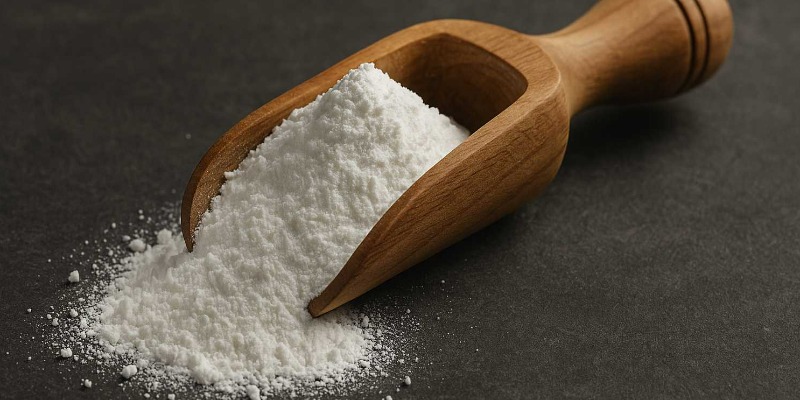
Chemically, antimony trioxide appears as a white powder, insoluble in water but reactive in acidic and alkaline environments. It is mainly produced through the oxidation of antimony metal or by processing the mineral stibnite.
Its primary function—as a synergist in brominated flame retardants—was recognized starting in the 1970s, when the industry was searching for ways to enhance the safety of plastic materials used in construction, electronics, and textiles.
Thanks to its ability to slow flame spread, antimony trioxide became ubiquitous in flame-retardant plastic products, from electric cables to electronic device housings. However, its widespread use has also brought to light the side effects associated with its extensive and sometimes unregulated application.
The darker side: environmental impact and health risks
Scientific research over the past two decades has shown that antimony trioxide is not without adverse effects. The U.S. Environmental Protection Agency (EPA) classifies it as a substance suspected of being carcinogenic to humans. The state of California has listed it under Proposition 65 due to its potential cancer risk when inhaled over long periods.
In industrial work environments—such as plastic manufacturing plants or construction material factories— workers may be exposed to antimony via inhalation of fine dust. Common health effects include respiratory irritation, headaches, nausea, and, in chronic cases, bronchitis, liver and kidney damage, and suspected reproductive effects.
The environment is also at risk: this compound is known to persist in soil and water, with the potential to contaminate groundwater and negatively affect ecosystems.
Studies have documented the release of antimony from PET containers when exposed to heat, raising concerns that trace amounts of the metal may leach into liquids intended for human consumption. Although the quantities are minimal, cumulative risk has prompted institutions like the WHO and the EPA to establish strict limits for its presence in drinking water.
On the regulatory side, exposure limits have tightened in recent years. For instance, OSHA sets the permissible exposure limit at 0.5 mg/m³ in workplaces, while the EPA has set the drinking water limit at 0.006 mg/L.
The search for sustainable alternatives
Environmental and health concerns related to antimony trioxide have driven both the chemical industry and academic researchers to look for viable alternatives. Compounds such as zinc borate are gaining attention for their ability to act as flame retardant synergists with lower toxicological impact.
Other solutions include organic phosphates, which are less toxic than brominated compounds, and zinc hydroxystannate (ZHS), which has demonstrated good performance as a flame retardant additive with reduced environmental impact. Although these alternatives are not yet universally adopted, they represent an important step toward greener chemistry.
Global production and market dynamics
Today, China is the world’s leading producer of antimony trioxide, accounting for approximately 48% of global output. Russia, South Africa, and some Central Asian countries follow at a distance. The market, valued at around USD 850 million in 2023, is expected to grow in the coming years, with forecasts reaching over USD 1.4 billion by 2034. However, this growth will be heavily influenced by evolving environmental regulations and the adoption of more sustainable alternatives.
Conclusion: between ecological transition and industrial responsibility
The case of antimony trioxide is emblematic of the challenges faced by the modern chemical industry: on one hand, technical efficiency; on the other, the need to protect health and the environment. The transition to less harmful materials is not just desirable—it is inevitable.
Achieving this shift will require a strong multidisciplinary commitment, where science, industry, and institutions must work together to ensure a safer and more sustainable future for all.
© Reproduction Prohibited