Production of chemical additives for the plastic and textile sector
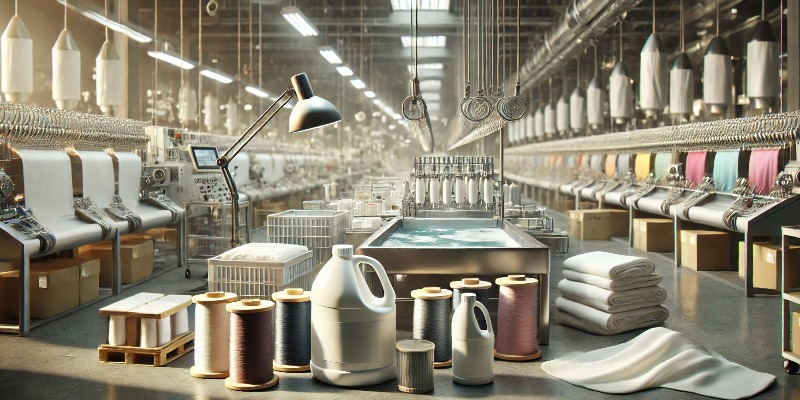
 rMIX: Distribution of Surfactant Additives for the Textile Sector
Code: 11038. We produce a line of surfactant additives suitable for use in textile production.Surfactant additives are chemicals used in the textile industry to modify the surface properties of liquids, improving processes such as wetting, cleaning and dispersion.These compounds lower the surface tension between two phases, such as liquid and solid or liquid and liquid, facilitating the interaction between fabrics and various chemical treatments.Main uses of surfactants for the textile sector:Detergency: Surfactants are used to remove dirt, oils and greases from fabrics during the washing phase.Wetting: They improve the absorption capacity of the fabric, making it more uniform in the penetration of liquids, facilitating dyeing and finishing processes.Emulsion: They stabilize emulsions of oils or other substances in the processing bath, ensuring a homogeneous distribution of the chemicals.Dispersants: They help keep solid particles dispersed in liquids, preventing the formation of lumps or deposits that could compromise the quality of the fabric.Surfactants for the textile sector are essential to ensure efficient processing and high quality of the final product, improving the performance of chemical treatments such as dyeing, washing and finishing.Request more information on the Distribution of Surfactant Additives for the Textile Sector.Origin: BrazilCategory: Recycled fabrics - surfactants - additivesIf you are a subscriber of rMIX contact the company, if you are not, subscribe by choosing the contract you preferSymbolic image
SEE MORE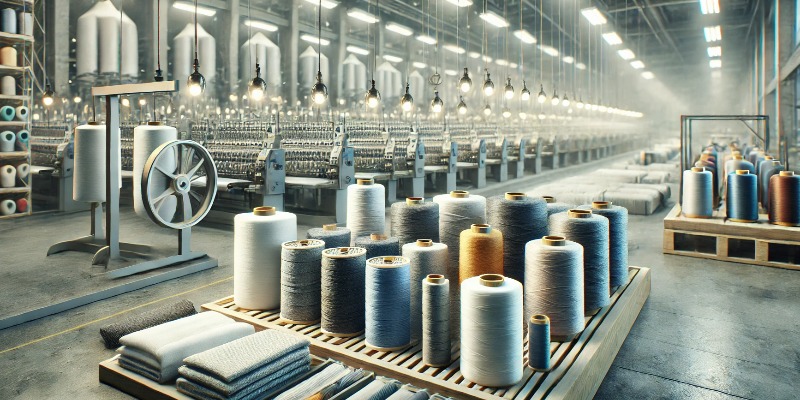 rMIX: Supply of Mineral Oils as Additives in the Textile Sector
Code: 11037. We distribute a line of mineral oils to improve performance in the production of fabrics.The use of mineral oil additives in the textile sector is a widespread practice to improve the characteristics of yarns and fabrics during various production processes, such as spinning, weaving and finishing.These additives are formulated with highly refined mineral oils that offer significant benefits in the processing of textile materials, ensuring superior performance and greater production efficiency.Main functions of the mineral oil additive for the textile sector:Lubrication: Reduces friction between the fibers and the mechanical surfaces of the machinery, facilitating processing and minimizing wear of the equipment.Protection: Creates a protective layer that helps prevent fiber breakage during the processing.Antistatic: Reduces the accumulation of electrostatic charges, a common problem in the treatment of synthetic fibers, improving the safety and quality of the final product.Improved weaving: Facilitates the smoothness of the fibers in the looms, improving the quality of the final fabric.Increased productivity: The use of these additives reduces machine downtime and failures, making production processes more efficient.Quality of the final product: The fabrics are more homogeneous and free of defects, with a better visual appearance and greater resistance.Compatibility: Mineral oil additives are formulated to be compatible with a wide range of fibers, both natural and synthetic.Request more information about the Supply of Mineral Oils as Additives in the Textile Sector.Origin: BrazilCategory: Recycled fabrics - additives - mineral oilsIf you are a subscriber of rMIX contact the company, if you are not, subscribe by choosing the contract you preferSymbolic image
SEE MORE rMIX: Production of Plasticizing Additives for Plastics - 11036
Code: 11036. We produce a complete line of plasticizing additives for plastics processing. Plasticizer additives are chemicals added to plastics to improve their flexibility, workability, and softness. These additives reduce the stiffness of the plastic material, lowering the glass transition temperature of the polymer and making it easier to process during manufacturing processes, such as extrusion or molding. Plasticizer additives are widely used in polymers such as PVC (polyvinyl chloride), making it softer and stronger, for example, in the production of electrical cables, packaging films, pipes and coating materials. Without the use of plasticizing additives, many plastics would be too brittle or stiff for some practical applications. In addition to improving physical properties, they can also influence the transparency and resistance of the material over time. Origin: Brazil Category: Polymers - additives - plasticizers - plastic If you are a subscriber to rMIX contact the company, if you are not, subscribe by choosing the contract you prefer .
SEE MORE rMIX: Production of Lubricant Additives for Plastics - 11035
Code: 11035. We produce a line of lubricating oils as additives for the production of plastics. Oils used as additives for plastics are substances used to improve the processing properties and final performance of polymeric materials. These oils act primarily as internal and external lubricants, reducing friction during manufacturing processes, such as extrusion or injection molding. In addition, they can improve the flexibility, softness and wear resistance of plastic material. In industries such as packaging, toys and medical products, additive oils are used to ensure greater durability and workability of finished products. Additionally, lubricating additives (oils) help reduce the tendency of plastics to crack or deform under mechanical or thermal stress, while improving the surface quality and long-term performance of the product. Thanks to their versatility, these lubricating additives (oils) find use in a wide range of polymers, such as PVC and polyethylene, offering a balance between technical performance and environmental sustainability. Origin: Brazil Category: Polymers - Lubricants - Oils - Plastics If you are subscribed to rMIX contact the company, if you are not, subscribe by choosing the contract you prefer Symbolic image
SEE MORE rMIX: Production of Release Agents for the Plastics Sector - 11034
Code: 11034. We produce a line of release agents suitable for the production of plastic objects. Release agents (additives) for plastics are substances used to facilitate the removal of molded or formed products from their molds during manufacturing processes, such as injection molding or thermoforming. These release additives create a surface barrier between the plastic material and the mold, reducing adhesion and preventing damage to the finished products, such as scratches or deformations. Release agents (additives) are particularly useful for improving production efficiency by reducing the time required to release parts and extending the life of molds. Origin: Brazil Category: Polymers - additives - release agents If you are a subscriber to rMIX contact the company, if you are not, subscribe by choosing the contract you prefer . Symbolic image
SEE MORE rMIX: Production of Antioxidant Additives for the Plastics Industry - 11033
Code: 11033. We distribute a complete range of antioxidant additives suitable for use in the plastics sector. Antioxidant additives for plastics are essential compounds used to prevent polymer degradation caused by oxidation. During the manufacturing process and life cycle of plastic products, exposure to oxygen, heat and light can cause the polymer chains to break, compromising the mechanical and visual properties of the material. Antioxidant additives work by slowing down or inhibiting these processes, prolonging the life and strength of plastics. Their use is fundamental in numerous sectors, including packaging, automotive and electronics, where plastics are exposed to difficult environmental conditions or intense thermal cycles. There are two main categories of antioxidant additives: primary ones, which interrupt the formation of free radicals, and secondary ones, which break down the peroxides formed during the oxidation process. Thanks to their versatility, antioxidants find application in a wide range of polymers, such as polyethylene, polypropylene and PVC, ensuring high performance even in challenging environmental conditions. Origin: Brazil Category: Polymers - additives - antioxidants If you are subscribed to rMIX contact the company, if you are not, subscribe by choosing the contract you prefer Symbolic photo
SEE MORE rMIX: We distribute Antistatic Additives for the Plastic and Textile Sector
Code: 11032. We distribute a complete range of antistatic additives suitable for use in the plastic and textile sectors. Antistatic additives are substances used in the plastics and textile industry to reduce or eliminate the accumulation of electrostatic charges. These charges can cause problems during manufacturing processes and compromise the performance of the finished product. In the case of plastics, antistatic additives are used to improve the safety and functionality of packaging, electronic components and building materials by reducing the risk of sparks or dust accumulation. In the textile industry, antistatic additives are used to prevent static electricity in synthetic fabrics, improving consumer comfort and reducing damage caused by electrostatic discharges during processing. These additives can be integrated into the material during the manufacturing phase, ensuring continuous control of filler accumulation throughout the product's useful life. Origin: Brazil Category: Polymers - additives - antistatics - plastics - fabrics If you are a subscriber to rMIX, contact the company. If you are not, subscribe by choosing the contract you prefer . Symbolic photo
SEE MORE