







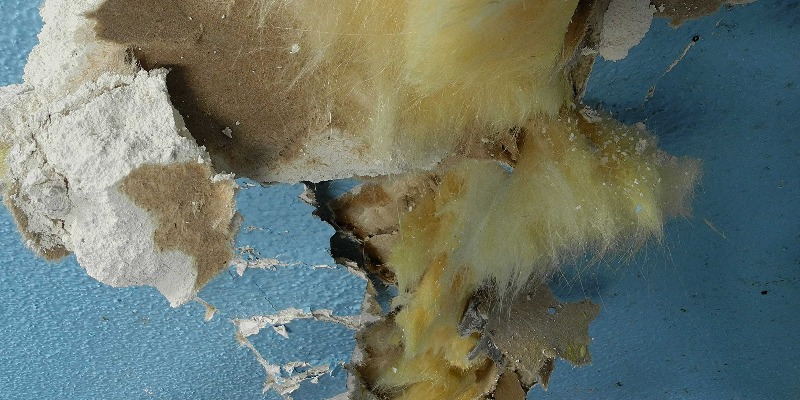
 Produzione, Tipologie e Riciclo delle Fibre di Vetro
Le fibre di vetro sono largamente usato nei prodotti più comuni che comporta un riciclo non banaledi Marco ArezioLe fibre di vetro sono diventate un supporto molto utile nella produzione di vari prodotti, nei campi più disparati, come il settore dei tessuti, della nautica e dell’edilizia. Dal punto di vista della circolarità dei prodotti, sia il cascame tessile che gli scarti edili che contengono le fibre, non sono elementi che possono essere riciclati con semplicità come molti altri prodotti. Come si produce la fibra di vetro riciclata La produzione della fibra di vetro riciclata ha la sua origine, principalmente, dai rottami delle bottiglie che provengono dalla raccolta differenziata e dal riciclo dei cascami tessili composti da filature con fibre di vetro. Infatti, la fibra di vetro riciclata può provenire da vari prodotti in fibra di vetro che sono giunti a fine vita utile, come i tessuti, le reti o altri rottami di vetro. Questi rifiuti vengono raccolti e separati da altri materiali non desiderati. I rifiuti di vetro vengono quindi triturati per ridurli in frammenti più piccoli. Questo passaggio aiuta a preparare gli scarti al successivo processo di fusione. I rottami e i cascami di vetro vengono fusi a temperature elevate. Durante la fusione, i frammenti si uniscono e formano un materiale fuso liquido o semiliquido chiamato vetro fuso. Il vetro fuso viene quindi filato per formare filamenti o fibre di vetro riciclata. Questo può essere fatto utilizzando metodi come l'estrazione del filo o la centrifuga. Durante la filatura, i filamenti di fibra di vetro si raffreddano e solidificano, formando fili continui di fibra di vetro riciclata. I filamenti di fibra di vetro riciclata vengono raffreddati e modellati secondo le esigenze specifiche dell'applicazione. Possono essere tagliati in lunghezze desiderate o lavorati in forme specifiche, come mattonelle, pannelli o altri prodotti. Infine, i filamenti di fibra di vetro riciclata possono essere utilizzati per produrre una varietà di prodotti, come isolanti termici, pannelli compositi, materiali da costruzione o altri materiali che richiedono le proprietà della fibra di vetro. Come vengono classificate le fibre di vetro Le fibre di vetro possono avere caratteristiche fisiche e chimiche differenti in base all’impiego per cui sono state progettate, vediamone alcune: Fibre di vetro E Le fibre di vetro E, abbreviazione di "E-Glass" (vetro E), sono le più comuni e ampiamente utilizzate. Sono realizzate principalmente a partire da rottami di bottiglie di vetro e presentano un'elevata resistenza meccanica, un buon isolamento elettrico e termico. Queste fibre sono utilizzate in applicazioni come isolanti termici, rinforzo di materiali compositi, isolamento acustico e nell'industria automobilistica. Fibre di vetro S Le fibre di vetro S, abbreviazione di "S-Glass" (vetro S), sono una variante rinforzata delle fibre di vetro E. Presentano una maggiore resistenza alla trazione, rigidità e resistenza alla corrosione rispetto alle fibre di vetro E. Sono spesso utilizzate in applicazioni che richiedono prestazioni eccezionali in termini di resistenza, come nel settore aerospaziale e nella produzione di attrezzature sportive ad alte prestazioni. Fibre di vetro C Le fibre di vetro C, abbreviazione di "C-Glass" (vetro C), sono ottenute utilizzando rottami di bottiglie di vetro mescolati con carbonato di calcio e altri additivi. Queste fibre presentano un'elevata resistenza chimica e termica, rendendole adatte per applicazioni che richiedono resistenza agli agenti chimici aggressivi e alte temperature, come nel settore chimico e nella produzione di filtri. Fibre di vetro AR Le fibre di vetro AR (Alkali Resistant, resistenti agli alcali) sono utilizzate in applicazioni che richiedono resistenza all'ambiente alcalino, ad esempio in calcestruzzo rinforzato. Le specifiche delle fibre di vetro possono variare a seconda delle necessità dell'applicazione finale, e possono essere personalizzate per fornire proprietà specifiche come la resistenza, la conducibilità termica, la resistenza all'abrasione, ecc. Come si ricicla il tessuto in fibra di vetro Il riciclaggio del tessuto in fibra di vetro può essere un processo complesso e dipende dalla struttura del tessuto stesso e dal suo utilizzo finale. Tuttavia, in generale, il processo di riciclaggio della fibra di vetro può includere i seguenti passaggi: Raccolta Raccogliere i rifiuti di tessuto in fibra di vetro e separarli da altri materiali. È importante assicurarsi che il tessuto in fibra di vetro sia privo di contaminanti come vernici, collanti o altri materiali che potrebbero compromettere il processo di riciclaggio. Triturazione Il tessuto in fibra di vetro viene quindi triturato in frammenti più piccoli, solitamente tramite un mulino o una macchina apposita. Questo passaggio aiuta a rompere il tessuto in fibra di vetro in pezzi più gestibili per il successivo processo di riciclaggio. Separazione Dopo la triturazione, i frammenti di fibra di vetro vengono sottoposti a un processo di separazione. Questo può essere fatto utilizzando metodi meccanici o fisici, come la separazione per densità o tramite l'utilizzo di separatori magnetici. Lo scopo di questo passaggio è separare la fibra di vetro dagli altri materiali presenti nel tessuto, come resine o leganti o materiali metallici. Fusione La fibra di vetro separata viene quindi fusa a temperature elevate. Questo processo di fusione trasforma la fibra di vetro in uno stato liquido o semiliquido. Filatura Dopo la fusione, la fibra di vetro fusa può essere filata in filamenti o fibre sottili. Come si ricicla la rete in fibra di vetro La rete in fibra di vetro è un materiale comune utilizzato in applicazioni come rinforzo strutturale, isolamento, filtri e materiali compositi. Il riciclo della rete in fibra di vetro può essere un processo più complesso rispetto al tessuto in fibra di vetro, ma esistono alcune possibilità di riciclaggio. Di seguito sono riportati alcuni dei passaggi generali coinvolti nel riciclaggio della rete in fibra di vetro: Raccolta Raccogliere le reti in fibra di vetro, assicurandosi che siano prive di contaminanti o di altri materiali che potrebbero compromettere il processo di riciclaggio. Triturazione Le reti in fibra di vetro vengono triturate per ridurle in frammenti più piccoli. Questo processo può essere eseguito utilizzando macchinari specializzati che frammentano la rete in fibra di vetro in pezzi piccoli. Separazione I frammenti di fibra di vetro ottenuti vengono quindi sottoposti a un processo di separazione per rimuovere eventuali contaminanti o materiali non desiderati. Questo può comportare l'utilizzo di metodi fisici o chimici per separare la fibra di vetro da altri materiali presenti nella rete. Fusione Dopo la separazione, la fibra di vetro può essere fusa a temperature elevate. La fusione rende la fibra di vetro liquida o semiliquida, consentendo di trasformarla in nuovi prodotti. Filatura o formatura La fibra di vetro fusa può essere filata in filamenti sottili o utilizzata per la formatura di nuovi prodotti. Quali applicazioni hanno le fibre di vetro riciclate Le fibre di vetro riciclate possono essere utilizzate in una varietà di applicazioni in diversi settori. Alcune delle applicazioni comuni delle fibre di vetro riciclate includono: Le fibre di vetro riciclate possono essere utilizzate come rinforzo in materiali compositi, come plastica rinforzata con fibra di vetro (FRP) o cemento rinforzato con fibra di vetro (GRC). Questi materiali compositi offrono una maggiore resistenza meccanica, leggerezza e durata. Trovano applicazioni nell'industria automobilistica, nel settore edile, nella produzione di attrezzature sportive e in molti altri settori. Le fibre di vetro riciclate possono essere utilizzate per la produzione di materiali isolanti termici ed acustici. Sono impiegate nella fabbricazione di pannelli isolanti per pareti, soffitti e pavimenti, offrendo un'elevata resistenza al calore e al suono. Questi materiali trovano applicazione in edifici residenziali, commerciali e industriali per migliorare l'efficienza energetica e ridurre la trasmissione del suono. Inoltre possono essere filate per produrre tessuti tecnici. Questi tessuti possono avere diverse caratteristiche, come resistenza al calore, isolamento elettrico, resistenza chimica o proprietà ignifughe. Trovano impiego in applicazioni come abbigliamento protettivo, rivestimenti termoisolanti, tende da teatro, filtri industriali e molto altro. Le fibre di vetro riciclate sono utilizzate nella produzione di filtri per l'industria, l'automotive, il trattamento dell'aria e l'industria del gas. Le loro proprietà di resistenza chimica, resistenza termica e capacità di trattenere particelle fini le rendono ideali per la fabbricazione di filtri ad alte prestazioni. Trovano inoltre notevole impiego anche nel campo dei materiali da costruzione, come malte, intonaci, piastrelle e prodotti prefabbricati. Questi materiali migliorano la resistenza, la durata e le proprietà termiche dei prodotti finali. Infine, sono utilizzate in una serie di prodotti industriali come cavi, tubi, condotti, contenitori elettrici e prodotti chimici resistenti. La loro resistenza elettrica, resistenza chimica e resistenza meccanica li rendono adatti a queste applicazioni. L'utilizzo delle fibre di vetro riciclate consente di ridurre la dipendenza dalle materie prime vergini e contribuisce alla riduzione dei rifiuti e all'economia circolare.
SCOPRI DI PIU' Inchiostri Serigrafici Ecologici: Rivoluzione Verde nella Stampa
Guida Completa ai Benefici Ambientali e Operativi degli Inchiostri Sostenibili di Marco ArezioLa crescente consapevolezza ambientale e le normative sempre più stringenti hanno spinto l'industria della stampa serigrafica verso l'adozione di inchiostri più sostenibili. Gli inchiostri serigrafici ecologici rappresentano una risposta innovativa e responsabile a questa esigenza, coniugando performance di stampa di alto livello con un impatto ambientale ridotto. In questo articolo, esploreremo la natura, la produzione e i vantaggi degli inchiostri serigrafici ecologici rispetto alle alternative tradizionali. Definizione e Tipologie degli Inchiostri Serigrafici Ecologici Gli inchiostri serigrafici ecologici sono formulazioni speciali progettate per ridurre al minimo l'impatto ambientale associato alla produzione, all'uso e allo smaltimento degli inchiostri utilizzati nell'industria della stampa serigrafica. Questa categoria di inchiostri si distingue per l'uso di componenti meno nocivi, sostenibili e, ove possibile, derivati da fonti rinnovabili. La definizione di "ecologico" abbraccia una gamma di attributi, inclusa la riduzione dell'uso di sostanze tossiche, la diminuzione delle emissioni di composti organici volatili (COV) e l'impiego di materiali biodegradabili o riciclabili. Tipologie di Inchiostri Serigrafici Ecologici La diversificazione degli inchiostri serigrafici ecologici permette loro di rispondere a esigenze specifiche di sostenibilità e applicazione, comprendendo principalmente: Inchiostri a Base d'Acqua Questi inchiostri utilizzano l'acqua come solvente principale, sostituendo in larga misura i solventi a base di petrolio. Sono meno volatili e tossici rispetto ai loro omologhi solventi. Sono particolarmente adatti per la stampa su tessuti, carta e cartone, dove l'assorbimento del materiale compensa la minore velocità di asciugatura rispetto agli inchiostri a solvente.Inchiostri UV Gli inchiostri UV induriscono o polimerizzano quando esposti a luce ultravioletta. Questo processo trasforma l'inchiostro da liquido a solido senza l'evaporazione di solventi, eliminando quasi completamente le emissioni di COV. Questi inchiostri trovano impiego in una vasta gamma di supporti, inclusi plastica, metallo, vetro e legno, grazie alla loro eccellente adesione e durabilità.Inchiostri a Base di Soia e Vegetali Composti principalmente da oli vegetali (come l'olio di soia), questi inchiostri sostituiscono gli oli minerali e i solventi derivati dal petrolio. Offrono una stampa di alta qualità con una minore dipendenza dalle risorse fossili. Sono ideali per la stampa su carta e cartone, offrendo una buona definizione di stampa e contribuendo a facilitare il riciclo del materiale stampato.Vantaggi Comuni Nonostante le differenze, tutte queste tipologie condividono vantaggi chiave che le rendono preferibili in un contesto ecologico: Minore Impatto Ambientale: Riducono le emissioni nocive e l'utilizzo di risorse non rinnovabili. Sicurezza e Salute sul Lavoro: Diminuiscono l'esposizione a sostanze pericolose per gli operatori. Compatibilità con Normative Ambientali: Aiutano le aziende a rispettare standard e regolamenti ambientali sempre più rigorosi. La scelta tra queste tipologie dipende dalle specifiche esigenze di applicazione, dalla sostenibilità desiderata e dalle caratteristiche del materiale da stampare. L'evoluzione continua della tecnologia degli inchiostri serigrafici ecologici promette ulteriori miglioramenti in termini di prestazioni e impatto ambientale, spingendo l'industria verso pratiche più sostenibili. Dove e come si usano gli inchiostri serigrafici Gli inchiostri serigrafici trovano applicazione in una vasta gamma di settori e su diversi tipi di materiali, grazie alla loro versatilità e alla capacità di offrire stampe di alta qualità su superfici diverse. Di seguito, vengono esplorate alcune delle principali aree di applicazione degli inchiostri serigrafici: Tessile La serigrafia è una tecnica ampiamente utilizzata nel settore tessile per la decorazione di capi di abbigliamento, tessuti per arredamento e accessori. Gli inchiostri serigrafici a base d'acqua, in particolare, sono molto popolari per la stampa su tessuti, poiché sono meno nocivi per l'ambiente e per chi indossa i capi stampati. Carta e Cartone Gli inchiostri serigrafici vengono utilizzati per la stampa su carta e cartone in una varietà di applicazioni, inclusi imballaggi, poster, cartoline, e materiale promozionale. La serigrafia consente di ottenere effetti particolari, come finiture lucide, metallizzate o con texture, che aggiungono valore agli oggetti stampati. Elettronica Nel settore elettronico, gli inchiostri serigrafici sono impiegati per la stampa di circuiti stampati, tastiere a membrana, display e componenti elettronici vari. In questo ambito, sono spesso utilizzati inchiostri conduttivi e inchiostri UV per le loro proprietà specifiche, come la conducibilità elettrica o la resistenza a solventi e abrasioni. Vetro e Ceramica La serigrafia è utilizzata anche nella decorazione di vetro e ceramica, per esempio in bottiglie, bicchieri, piastrelle e stoviglie. Gli inchiostri utilizzati in queste applicazioni devono resistere ad alte temperature e a processi di cottura, mantenendo la brillantezza e la fedeltà dei colori. Industria Pubblicitaria e Segnaletica Gli inchiostri serigrafici sono ideali per la produzione di insegne, adesivi, striscioni, e materiale promozionale grazie alla loro durabilità esterna e alla resistenza agli agenti atmosferici. Questa applicazione sfrutta la capacità della serigrafia di stampare su materiali plastici e metallici, oltre che su supporti più tradizionali. Articoli Promozionali Oggetti promozionali come penne, chiavette USB, gadget e articoli da regalo sono spesso decorati utilizzando la serigrafia. La tecnica consente di applicare loghi e messaggi promozionali su superfici di forme e materiali diversi, con elevata precisione e qualità. Processo di Produzione degli Inchiostri Serigrafici Ecologici Il processo di produzione degli inchiostri serigrafici ecologici rappresenta un'espressione di impegno verso la sostenibilità e l'innovazione nell'industria della stampa. Questo processo si distingue per l'enfasi sulla selezione di materie prime meno impattanti sull'ambiente, l'ottimizzazione dei processi produttivi per ridurre sprechi e consumi energetici, e l'attenzione alla sicurezza e alla salute degli operatori. Vediamo in dettaglio le fasi principali: Selezione delle Materie Prime La prima fase nel processo di produzione degli inchiostri serigrafici ecologici riguarda la selezione accurata delle materie prime. Questa include: Pigmenti Ecocompatibili: Si opta per pigmenti non tossici e preferibilmente di origine naturale o meno impattanti sull'ambiente rispetto ai tradizionali pigmenti sintetici. Leganti Naturali o Biodegradabili: Gli oli vegetali (come l'olio di soia) o altre sostanze naturali vengono utilizzati come leganti al posto di quelli derivati da petrolio. Solventi a Basso Impatto Ambientale: Nei casi in cui è necessario l'utilizzo di solventi, si preferiscono quelli con bassa volatilità e minore tossicità, come l'acqua nei inchiostri a base d'acqua. Formulazione dell'Inchiostro Durante la fase di formulazione, gli ingredienti selezionati vengono miscelati secondo proporzioni precise per ottenere le caratteristiche desiderate dell'inchiostro, come viscosità, colore, e resistenza. Questo processo richiede competenze tecniche specifiche per bilanciare le proprietà ecologiche dell'inchiostro con le necessità di performance nella stampa.Produzione e Controllo Qualità Una volta formulato, l'inchiostro subisce un processo di produzione che può includere passaggi come la molatura per ridurre le dimensioni dei pigmenti e migliorare la finitura, e l'omogeneizzazione per assicurare una distribuzione uniforme dei componenti. Durante tutto il processo produttivo, vengono applicati rigidi controlli di qualità per garantire che l'inchiostro finale rispetti le specifiche tecniche e ambientali. Imballaggio e Distribuzione Gli inchiostri serigrafici ecologici vengono poi imballati in contenitori appositamente scelti per minimizzare l'impatto ambientale, preferendo materiali riciclati o riciclabili. La distribuzione è pianificata in modo da ridurre le emissioni di CO2, ad esempio raggruppando le spedizioni o utilizzando mezzi di trasporto ecocompatibili. Problematiche ed Innovazioni La produzione di inchiostri serigrafici ecologici presenta diverse problematiche, come il mantenimento delle prestazioni di stampa a livelli comparabili con quelli degli inchiostri tradizionali pur rispettando i criteri ecologici. L'innovazione costante nei materiali e nelle tecniche di produzione è fondamentale per superare questi problemi, rendendo gli inchiostri ecologici una scelta sempre più valida per l'industria della stampa. Vantaggi Ambientali e Operativi degli Inchiostri Serigrafici Ecologici Gli inchiostri serigrafici ecologici offrono una serie di vantaggi significativi rispetto ai loro omologhi tradizionali, non solo dal punto di vista ambientale ma anche in termini operativi. Questi benefici riflettono l'importanza crescente della sostenibilità nelle decisioni di produzione e acquisto, senza trascurare l'efficienza e la qualità del processo di stampa. Vantaggi Ambientali Riduzione delle Emissioni Nocive Gli inchiostri ecologici minimizzano o eliminano del tutto l'uso di solventi volatili, responsabili delle emissioni di composti organici volatili (COV) nell'atmosfera. Questo non solo riduce l'inquinamento dell'aria ma contribuisce anche a migliorare la qualità dell'ambiente di lavoro, riducendo l'esposizione dei lavoratori a sostanze potenzialmente nocive. Minor Impatto sulla Salute e Sicurezza La composizione più sicura degli inchiostri serigrafici ecologici riduce il rischio di reazioni allergiche, problemi respiratori e altri problemi di salute legati all'uso di sostanze chimiche aggressive. Ciò significa anche che possono essere necessarie meno misure di protezione individuale e di ventilazione, rendendo l'ambiente di lavoro più sicuro e piacevole. Uso Sostenibile delle Risorse L'impiego di materie prime rinnovabili, come oli vegetali, e di pigmenti meno impattanti sull'ambiente, promuove l'uso sostenibile delle risorse. Inoltre, l'elevata biodegradabilità di molti inchiostri ecologici facilita il processo di smaltimento, riducendo l'impronta ecologica del prodotto finito. Vantaggi Operativi Efficienza nella Pulizia e Manutenzione Gli inchiostri a base d'acqua e UV richiedono procedure di pulizia meno aggressive rispetto agli inchiostri a base solvente. Ciò si traduce in minori tempi di fermo macchina e riduzione dell'uso di sostanze chimiche per la pulizia, con un conseguente abbattimento dei costi operativi e un minor impatto ambientale. Versatilità e Qualità di Stampa Nonostante la loro natura ecologica, gli inchiostri serigrafici ecologici offrono un'eccellente qualità di stampa, con colori vivaci e buona resistenza nel tempo. Sono adatti a una vasta gamma di supporti, inclusi tessuti, carta, plastica e metallo, offrendo così grande versatilità agli operatori del settore. Compatibilità con Normative Ambientali L'utilizzo di inchiostri ecologici facilita il rispetto delle normative ambientali sempre più stringenti, aiutando le aziende a evitare sanzioni e a migliorare la propria immagine presso i consumatori, sempre più attenti alla sostenibilità. Confronto con Gli Inchiostri Tradizionali La transizione verso l'utilizzo di inchiostri serigrafici ecologici rappresenta una svolta significativa per l'industria della stampa, rispondendo alla crescente esigenza di sostenibilità ambientale. Per comprendere meglio il valore aggiunto degli inchiostri ecologici, è utile esaminare le differenze principali rispetto agli inchiostri serigrafici tradizionali sotto vari aspetti. Composizione Chimica Inchiostri Tradizionali: Tradizionalmente, gli inchiostri serigrafici sono formulati con una base di solventi volatili, pigmenti sintetici, e resine derivati dal petrolio, che possono emettere composti organici volatili (COV) nocivi per l'ambiente e la salute umana. Inchiostri Ecologici: Al contrario, gli inchiostri ecologici sono sviluppati con l'intento di ridurre o eliminare la presenza di tali sostanze nocive. Utilizzano solventi a base d'acqua, oli vegetali, pigmenti naturali o meno tossici, e leganti biodegradabili, risultando in emissioni significativamente ridotte di COV. Impatto Ambientale Inchiostri Tradizionali: L'uso di solventi e componenti a base di petrolio comporta un elevato impatto ambientale, dalla produzione allo smaltimento, includendo rischi di contaminazione dell'aria, dell'acqua e del suolo. Inchiostri Ecologici: Gli inchiostri serigrafici ecologici minimizzano l'impatto ambientale in tutte le fasi del loro ciclo di vita. La loro produzione, uso, e smaltimento presentano rischi ambientali molto più bassi, grazie all'utilizzo di materie prime rinnovabili e alla ridotta tossicità. Salute e Sicurezza sul Lavoro Inchiostri Tradizionali: L'esposizione a lungo termine ai solventi e ad altri componenti tossici degli inchiostri tradizionali può avere effetti negativi sulla salute degli operatori, richiedendo l'uso di dispositivi di protezione individuale e sistemi di ventilazione adeguati. Inchiostri Ecologici: La formulazione più sicura degli inchiostri ecologici riduce il rischio di problemi di salute e migliora le condizioni di lavoro, limitando la necessità di misure di protezione e ventilazione specialistiche. Prestazioni e Applicabilità Inchiostri Tradizionali: Gli inchiostri tradizionali sono noti per la loro durata, resistenza alle intemperie, e versatilità su diverse superfici. Queste caratteristiche li hanno resi la scelta prevalente in molte applicazioni industriali e commerciali. Inchiostri Ecologici: Sebbene in passato gli inchiostri ecologici potessero presentare limitazioni in termini di prestazioni rispetto agli inchiostri tradizionali, i recenti sviluppi tecnologici hanno notevolmente migliorato la loro qualità, resistenza e versatilità, rendendoli competitivi in molteplici applicazioni. Costi Inchiostri Tradizionali: Generalmente, gli inchiostri tradizionali hanno un costo inferiore rispetto alle varianti ecologiche, principalmente a causa della diffusa disponibilità e del minor costo delle materie prime a base di petrolio. Inchiostri Ecologici: Gli inchiostri ecologici possono presentare un costo iniziale più elevato, dato il prezzo più alto delle materie prime sostenibili e dei processi produttivi meno inquinanti. Tuttavia, questo costo è spesso compensato dai benefici in termini di salute, sicurezza e conformità ambientale, oltre che da un miglioramento dell'immagine aziendale.
SCOPRI DI PIU' Il Vetro Alluminosilicato: Il Materiale Avanzato per le Tecnologie del Futuro
Dalla produzione agli impieghi industriali, scopri le caratteristiche uniche di questo vetro ad alta resistenza e il suo potenziale nel riciclo sostenibiledi Marco ArezioIl vetro alluminosilicato è un materiale tecnologicamente avanzato e versatile, molto utilizzato in settori industriali che richiedono materiali con specifiche proprietà meccaniche, termiche e chimiche. Questo tipo di vetro appartiene alla famiglia dei vetri silicei, ma rispetto al vetro comune, contiene una percentuale significativa di ossido di alluminio (Al₂O₃) oltre alla silice (SiO₂). Questa composizione lo rende estremamente resistente a condizioni estreme, sia meccaniche che termiche, ed è proprio per queste caratteristiche che trova applicazione in settori altamente specializzati. Produzione del Vetro Alluminosilicato La produzione del vetro alluminosilicato segue un processo simile a quello del vetro tradizionale, ma con alcune differenze chiave dovute alla sua particolare composizione chimica. Materie Prime: Le principali componenti di questo vetro sono la silice (SiO₂) e l'ossido di alluminio (Al₂O₃), a cui possono essere aggiunti altri ossidi, come l'ossido di boro (B₂O₃) o ossidi alcalini (Na₂O o K₂O) per regolare le proprietà del vetro finito. La silice è solitamente sotto forma di sabbia di quarzo, mentre l’alluminio deriva da materiali come la bauxite o altri minerali ricchi di ossido di alluminio. Fusione: Il processo inizia con la fusione delle materie prime ad alte temperature, tipicamente tra 1500 e 1700 °C. L’elevata quantità di ossido di alluminio comporta temperature di fusione superiori rispetto al vetro soda-lime comune, e questo richiede attrezzature speciali per il controllo delle condizioni di produzione. Formazione e Tempra: Una volta fuso, il vetro viene formato nella forma desiderata, che può essere lastre, tubi o altre configurazioni. Spesso, questo vetro viene sottoposto a un processo di tempra chimica o termica per aumentare ulteriormente la sua resistenza meccanica. La tempra chimica, ad esempio, consiste nell'immergere il vetro in un bagno di sali di potassio, in modo da sostituire gli ioni sodio sulla superficie del vetro con ioni potassio, che sono più grandi e creano uno strato di compressione superficiale. Caratteristiche del Vetro Alluminosilicato Il vetro alluminosilicato è noto per le sue eccellenti proprietà, che lo distinguono dagli altri tipi di vetro, in particolare dal più comune vetro soda-lime. Resistenza meccanica: Grazie alla sua composizione chimica e alla possibilità di tempra, il vetro alluminosilicato è estremamente resistente agli urti e alle sollecitazioni meccaniche. È per questo che viene spesso impiegato in applicazioni che richiedono resistenza a rotture, come gli schermi degli smartphone e dei tablet. Resistenza termica: Un’altra caratteristica fondamentale di questo vetro è la sua elevata resistenza agli shock termici. L'ossido di alluminio aumenta la stabilità termica del materiale, permettendogli di resistere a variazioni di temperatura più estreme senza fratturarsi. Resistenza chimica: Rispetto al vetro soda-lime, il vetro alluminosilicato ha una maggiore resistenza agli attacchi chimici, inclusi acidi e basi. Questo lo rende ideale per applicazioni in ambienti chimicamente aggressivi. Trasparenza ottica: Anche se estremamente robusto, questo vetro conserva le proprietà ottiche tipiche del vetro, con un'elevata trasmissione della luce visibile, il che lo rende ideale per l'uso in schermi e lenti. Impieghi del Vetro Alluminosilicato Grazie alle sue caratteristiche uniche, il vetro alluminosilicato trova applicazione in una vasta gamma di settori, che vanno dall'elettronica all'aerospaziale. Dispositivi elettronici: Una delle applicazioni più note del vetro alluminosilicato è negli schermi di smartphone, tablet e altri dispositivi elettronici. La sua resistenza agli urti e ai graffi, combinata con l’eccellente trasparenza, lo rende perfetto per proteggere gli schermi touch. Un esempio famoso è il vetro Gorilla Glass, un tipo di vetro alluminosilicato particolarmente resistente. Industria aerospaziale: Nelle applicazioni aerospaziali, il vetro alluminosilicato viene utilizzato per la sua capacità di resistere alle temperature estreme e agli ambienti chimicamente aggressivi. Può essere impiegato in finestre e oblò per veicoli spaziali e aerei, dove la sicurezza e la resistenza sono prioritarie. Laboratori chimici: Per la sua resistenza chimica e termica, il vetro alluminosilicato è spesso utilizzato nella produzione di strumenti da laboratorio, come becher e provette, che devono resistere a sostanze aggressive e a frequenti cicli di riscaldamento e raffreddamento. Ottica: Grazie alle sue proprietà ottiche, questo vetro trova impiego anche nella produzione di lenti per fotocamere, microscopi e telescopi, dove è necessario combinare la trasparenza con la resistenza meccanica. Riciclo del Vetro Alluminosilicato Come tutti i vetri, anche il vetro alluminosilicato può essere riciclato, ma il processo di riciclo può essere più complesso rispetto ad altri tipi di vetro, a causa della sua composizione chimica e delle elevate temperature necessarie per la fusione. Tuttavia, il riciclo è possibile ed è importante per ridurre l'impatto ambientale di questo materiale. Raccolta e Selezione: Il primo passo per il riciclo è la raccolta del vetro usato, che deve essere separato dagli altri materiali. La selezione è importante perché mescolare vetro alluminosilicato con altri tipi di vetro potrebbe comprometterne la qualità. Frantumazione e Pulizia: Il vetro raccolto viene frantumato in piccoli pezzi, chiamati "cullet", che vengono poi puliti per rimuovere impurità come residui di plastica o metalli. Fusione: Il cullet di vetro alluminosilicato viene poi fuso per essere riutilizzato nella produzione di nuovi prodotti. La fusione avviene a temperature elevate, superiori a quelle del vetro soda-lime, il che può rendere il processo più costoso in termini energetici. Impiego del vetro riciclato: Il vetro alluminosilicato riciclato può essere utilizzato per produrre nuovi prodotti, come vetri per schermi o componenti per l'industria aerospaziale. Tuttavia, la qualità del vetro riciclato deve essere molto alta, soprattutto in applicazioni tecnologiche, dove sono richiesti standard rigorosi. Conclusioni Il vetro alluminosilicato rappresenta un materiale avanzato, le cui straordinarie proprietà meccaniche, termiche e chimiche lo rendono ideale per applicazioni in settori altamente tecnologici. Dalla produzione di schermi per dispositivi elettronici all’uso in contesti aerospaziali, questo vetro offre soluzioni innovative e sicure. Nonostante le problematiche legate al suo riciclo, è possibile reintegrarlo nel ciclo produttivo, contribuendo così a un’economia più circolare e sostenibile. La sua durevolezza e resistenza ne fanno un materiale dalle potenzialità elevate, destinato a giocare un ruolo sempre più centrale nel futuro delle tecnologie avanzate.© Riproduzione Vietata
SCOPRI DI PIU'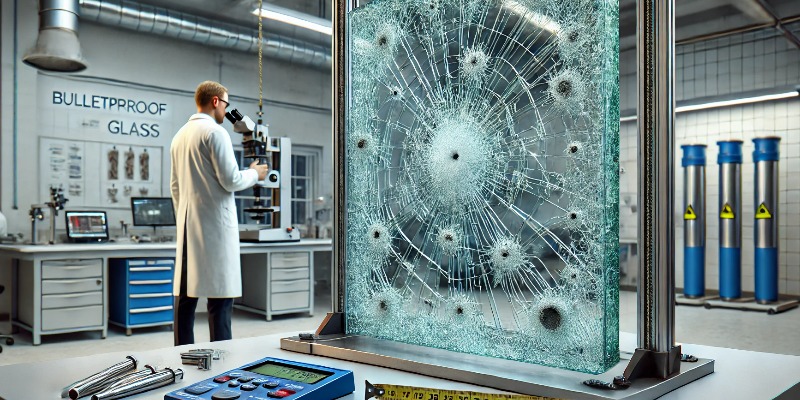 Vetri Antiproiettile: Tecnologia Avanzata e Sfide nel Riciclo dei Materiali Compositi
Scopri come vengono prodotti i vetri antiproiettile, i test di resistenza, le normative internazionali e le difficoltà legate al loro riciclo sostenibiledi Marco ArezioI vetri antiproiettile rappresentano una delle soluzioni più avanzate e indispensabili nel campo della sicurezza. Progettati per proteggere sia persone che beni in contesti ad alto rischio, questi materiali hanno trovato applicazione in ambiti civili, militari e industriali, diventando un pilastro per la protezione personale e infrastrutturale. La loro storia, dai primi prototipi rudimentali alle moderne tecnologie di produzione, testimonia una continua ricerca di efficienza e sostenibilità. Ma come vengono realizzati? Quali normative regolano la loro efficacia? E quali sono le sfide legate al loro riciclo? Composizione e fabbricazione dei vetri antiproiettile I vetri antiproiettile non sono un semplice strato di vetro rinforzato, ma un insieme di materiali diversi, combinati in modo tale da creare un prodotto resistente, trasparente e sicuro. Questi materiali includono principalmente il vetro temprato, il policarbonato e strati intermedi di polivinilbutirrale (PVB). Ognuno di questi elementi svolge un ruolo fondamentale: il vetro temprato garantisce rigidità e trasparenza, il policarbonato assorbe l’energia cinetica dei proiettili, mentre il PVB tiene insieme gli strati, prevenendo la frammentazione. La produzione segue processi rigorosi. Si inizia con il taglio e la sagomatura dei materiali, che vengono poi laminati insieme sotto pressione e calore, formando un legame forte e duraturo. Infine, il vetro viene trattato termicamente per aumentarne la resistenza. Questo processo, apparentemente semplice, richiede in realtà una tecnologia sofisticata e un controllo preciso per garantire standard di sicurezza elevati. Test di conformità per i vetri antiproiettile Per essere considerati efficaci, i vetri antiproiettile devono superare una serie di test balistici rigorosi, che simulano situazioni reali di impatto. L'obiettivo principale è assicurare che il vetro possa resistere a colpi diretti senza perforazioni o frammentazioni pericolose. I test utilizzano proiettili di diversi calibri e velocità, replicando l’uso di pistole, fucili e persino armi militari. Oltre a resistere al primo impatto, il vetro deve sopportare colpi multipli nello stesso punto, dimostrando una capacità di durabilità eccezionale. Per ogni categoria di arma e proiettile, esistono specifiche classi di resistenza, ognuna delle quali indica il livello di protezione garantito. Classi di protezione: quali armi possono fermare i vetri antiproiettile I vetri antiproiettile sono progettati per resistere a una vasta gamma di armi e munizioni, e il loro livello di protezione è suddiviso in classi. Le classi più basse proteggono da pistole comuni e fucili da caccia, mentre le classi superiori sono in grado di fermare fucili d'assalto come l'AK-47 o l'AR-15. A livelli ancora più avanzati, troviamo vetri che resistono a proiettili perforanti o persino a colpi di artiglieria leggera, utilizzati in contesti militari. Ogni classe è definita in base al calibro, alla velocità e al tipo di proiettile utilizzato nei test. Questa suddivisione consente di scegliere il vetro giusto in base alle esigenze specifiche, sia per applicazioni civili che militari. Normative internazionali sui vetri antiproiettile La regolamentazione dei vetri antiproiettile è gestita da standard internazionali, che garantiscono uniformità e sicurezza in tutto il mondo. In Europa, la norma EN 1063 stabilisce le classi di protezione, dalla BR1, che protegge da proiettili leggeri, alla BR7, progettata per resistere a proiettili perforanti. Negli Stati Uniti, il National Institute of Justice (NIJ) utilizza una classificazione simile, concentrandosi sulle minacce più comuni nel contesto americano. Per le applicazioni militari, lo standard STANAG 4569 della NATO definisce i requisiti per i veicoli blindati, richiedendo resistenze estreme fino ai colpi di cannoni automatici. Queste normative non solo certificano la sicurezza dei prodotti, ma facilitano anche il loro utilizzo in contesti internazionali. Storia dei vetri antiproiettile: dalle origini ai giorni nostri L’idea di vetri antiproiettile risale ai primi del Novecento, quando si cercavano soluzioni per proteggere veicoli e infrastrutture bancarie. I primi modelli, costituiti semplicemente da strati spessi di vetro, erano pesanti e poco pratici. La vera rivoluzione arrivò negli anni '60, con l’introduzione dei polimeri e della tecnologia di laminazione. Da allora, i vetri antiproiettile sono diventati più leggeri, resistenti e versatili, trovando applicazioni in settori come l’aviazione, l’edilizia governativa e persino i veicoli privati di lusso. Il problema del riciclo dei vetri antiproiettile Una delle sfide più grandi legate ai vetri antiproiettile è il loro riciclo. Essendo costituiti da materiali compositi come vetro e policarbonato, separare i vari componenti è un processo complesso e costoso. Attualmente, le tecniche disponibili includono la separazione termica, che utilizza alte temperature per dividere gli strati, e la frantumazione, che consente di recuperare parte del vetro per altri utilizzi. Un’altra opzione è il riciclo chimico, che tratta i polimeri come il policarbonato per riutilizzarli in nuovi prodotti. Tuttavia, queste soluzioni non sono ancora economicamente sostenibili su larga scala, lasciando aperto il problema dell’impatto ambientale. Conclusioni: una tecnologia in continua evoluzione I vetri antiproiettile sono un esempio straordinario di come la scienza dei materiali possa rispondere a esigenze critiche di sicurezza. Tuttavia, con l’aumento delle applicazioni, è necessario affrontare le sfide legate alla sostenibilità. La ricerca continua è fondamentale per sviluppare materiali più facili da riciclare, garantendo al contempo elevati standard di sicurezza e un minore impatto ambientale. © Riproduzione Vietata
SCOPRI DI PIU' Come combinare la polvere del vetro e la polvere del pet in una materia prima
Riutilizzo della polvere di vetro di scarto in un’ottica di economia circolare di Marco ArezioLa polvere di vetro è uno scarto che si genera nella filiera produttiva del riciclo del vetro che, per le sue quantità e per lo scarso campo applicativo in ricette che possono generare prodotti finiti, crea un problema di smaltimento e riuso. Tra le varie sperimentazioni che si sono fatte negli anni, forse quella dell’impiego come materiale inerte nelle miscele di malte e calcestruzzi ha trovato uno sbocco che permette la realizzazione di cordoli stradali, paratie di contenimento anche in virtù di una buona inerzia chimica e della bassa porosità del composto. Un altro campo di utilizzo da citare sono le miscele cementizie adatte alla creazione di pietre artificiali d’arredo. Si sono inoltre effettuati test, presso il dipartimento di Ingegneria dell’Università di Bologna, su malte polimeriche con frazioni di polvere di vetro e rottami di vetro, con granulometrie differenti, utilizzando come legante una resina di poliestere. Le prove sono state eseguite campionando ricette composte da sabbia e resina in poliestere e da ricette composte da poveri o rottami di vetro e resina di poliestere. La comparazione dei risultati delle prove a flessione e compressione dei provini ha sottolineato che le malte polimeriche composte scarti vetrosi hanno una resistenza a compressione superiore al 10% e a flessione del 22% rispetto ai campioni composti da malte polimeriche e sabbia. La polvere di vetro viene usata anche nel campo della ceramica, nei mattoni in laterizio e nelle vetro-schiume come elemento inerte dell’impasto in sostituzione degli inerti naturali con un risparmio in termini di consumo delle risorse naturali. Le caratteristiche del rottame di vetro, dal punto di vista della stabilità chimica, delle qualità ignifughe e della resistenza meccanica, permette l’uso come stabilizzante nelle ricette di tutela di elementi pericolosi come l’eternit, le ceneri volanti degli inceneritori, nelle polveri di abbattimento fumi, nelle scorie delle acciaierie, nei fanghi di levigatura, ecc.. al fine di creare un materiale vetroso inerte. Ma in un’ottica di economia circolare il passo più importante è stato compiuto attraverso la creazione di una miscela di elementi di scarto nelle lavorazioni industriali, di cui uno di questi si può proprio definire lo scarto dello scarto. Mi riferisco alla polvere del PET che si accumula nella fase di riciclo delle bottiglie per le bevande o altri involucri. L’idea vincente di miscelare polvere di vetro e polvere di PET permettendo di creare una nuova materia prima che, per caratteristiche fisico-chimiche, è adatta a replicare, sia per forma che per caratteristiche, le pietre naturali. Inoltre la termoplasticità del PET, che permette la creazione di disegni, rilievi e si adatta facilmente ai colori, rende idoneo questo composto alla creazione di top per le cucine e per i rivestimenti interni ed esterni. L’ingegno e la genialità delle persone ci danno una fotografia di come cammina la nostra società di fronte alle sfide che l’economia circolare ci pone: troviamo persone che non conoscono ancora come si deve effettuare la separazione dei rifiuti in casa, persone che continuano a gettare rifiuti nell’ambiente, persone che spingono la classe politica a investire maggiormente nel riciclo di plastica, vetro, metalli, carta, legno e scarti elettronici e altri materiali, e infine ci sono persone che sono un passo avanti e si occupano di trovare soluzioni per l’utilizzo dei rifiuti dei rifiuti.Categoria: notizie - tecnica - plastica - riciclo - polvere di vetro - PET
SCOPRI DI PIU'
