- The Grandes Jorasses: challenges and dangers of extreme mountaineering
- The importance of high mountain experience: limits and risks
- When nature prevails: lessons from the Grandes Jorasses tragedy
- Mountaineering and climate change: how the risk is increasing
- Preparation and awareness on high-altitude routes
- The role of psychological resilience in extreme mountaineering
- Mountains and respect for limits: a reflection on safety at high altitude
The recent loss of two experienced climbers on the Grandes Jorasses highlights the dangers of high-altitude climbing, where skill and preparation meet the limits imposed by nature and climate change
by Marco Arezio
The recent tragedy on the Grandes Jorasses, which claimed the lives of two seasoned climbers, brings into sharp focus the risks and limits of an activity that, while governed by rules and supported by extensive personal experience, remains bound to the strength and unpredictability of nature.
This incident leaves a sense of loss and confusion, underscoring that in the mountains, even the most lengthy and solid experience is not a guarantee of safety.
A Reminder of Nature’s Unyielding Power
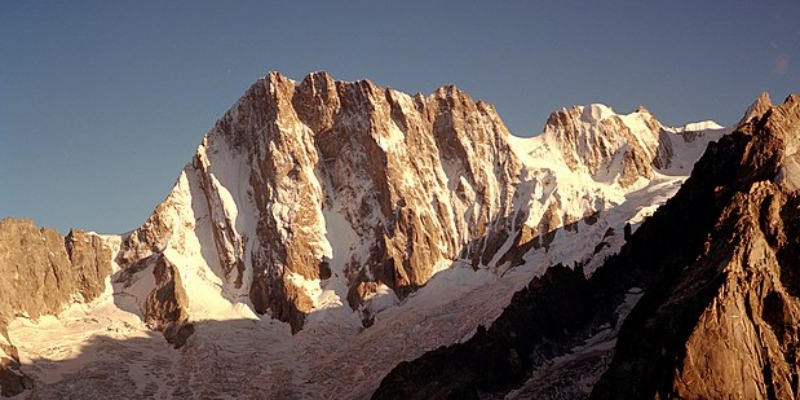
The Grandes Jorasses, towering, remote, and dangerous, have always represented a challenge for climbers of all levels. Located in the Mont Blanc massif, these icy, snow-covered walls are among the most sought-after yet hostile routes.
Despite constant advancements in climbing technology and techniques, the mountains remain a place where nature’s strength prevails. The lesson is harsh but clear: nature cannot be fully tamed, even by the most prepared climbers.
Weather conditions, shifts in ice and snow, and even the degradation of the mountain surface due to climate change make the alpine environment a place of latent danger.
Preparation and Its Limits
Experience is a critical component for those who venture into high mountains: knowing techniques, identifying critical points, and reading environmental signs are essential skills. However, this tragedy demonstrates that even the most prepared can be caught off guard by unpredictable events.
The training journey for climbers requires years of field learning and theoretical knowledge, but in extreme situations like avalanches, ice collapses, or sudden climate changes, preparation alone may not ensure survival.
Moreover, the accumulation of positive experiences can lead to a false sense of security. This is not a case of recklessness but rather a phenomenon where, often unconsciously, seasoned climbers feel capable of facing situations at the edge of human endurance.
It’s a complex and risky dynamic, where experience, rather than reducing risks, can sometimes amplify them through an illusory sense of control.
The Psychological Factor: Between Resilience and Doubt
Climbing demands not only technical skills but also profound psychological strength.
Resilience—the ability to face uncertainty and danger—is essential for those who practice this discipline.However, the mountains, with their challenges and dangers, also require climbers to constantly reassess their choices, engaging in an inner dialogue between what is known and what is feared.
In extreme risk conditions, staying calm and making clear decisions is crucial. Yet, when facing such a powerful natural force, the psychological burden can become overwhelming.
Doubt in one’s survival ability and the feeling of helplessness that may seize climbers in critical situations add a further level of difficulty to an already hostile environment.
The Influence of Climate Change
Another aspect that makes mountaineering more dangerous today is the impact of climate change on the mountains.
Rising temperatures significantly affect ice and snow, which melt faster than in the past, causing sudden collapses and destabilizing the snowpack.
The glaciers of the Grandes Jorasses, like other mountain ranges, are now subject to sudden and unpredictable variations, posing a concrete threat to climbers.
Additionally, climate change is altering seasonal rhythms and weather conditions, making it harder to predict when climbing will be safe. This requires climbers to adapt to an ever-changing environment, increasing uncertainty and overall risk.
The Meaning of Tragedy: A Lesson for All
This tragedy prompts reflection on what it truly means to venture into the mountains. More than a sport or a physical challenge, mountaineering is an intimate and sincere confrontation with nature and, simultaneously, with one’s own limits.
The deaths of experienced climbers on the Grandes Jorasses serve as a warning for everyone who sees the mountains as a place of discovery and spiritual elevation: respect for nature and awareness of risk must always guide those who decide to set off towards a summit.
Ultimately, the meaning of this tragedy lies in understanding human fragility in the face of nature’s forces. The mountains, with their beauty and dangers, constantly remind us that we are not invincible and that every adventure entails a risk that must be accepted with humility.
© Reproduction Prohibited
Photo Wikimedia