- The Fundão Dam Collapse: A Tragedy Foretold
- Mining Disaster in Brazil: The Causes of the Fundão Collapse
- 720,000 Brazilians Against BHP: The Trial in London
- Toxic Sludge and Destroyed Villages: The Impact of the Fundão Collapse
- The Long Legal Battle of the Fundão Victims
- BHP and Vale Under Accusation: Responsibilities for the Disaster
- The Doce River Environmental Catastrophe: Consequences and Damages
- Transnational Trials: Global Justice for the Fundão Disaster
The Fundão Dam Tragedy and the $44 Billion Lawsuit Against BHP for Justice
by Marco Arezio
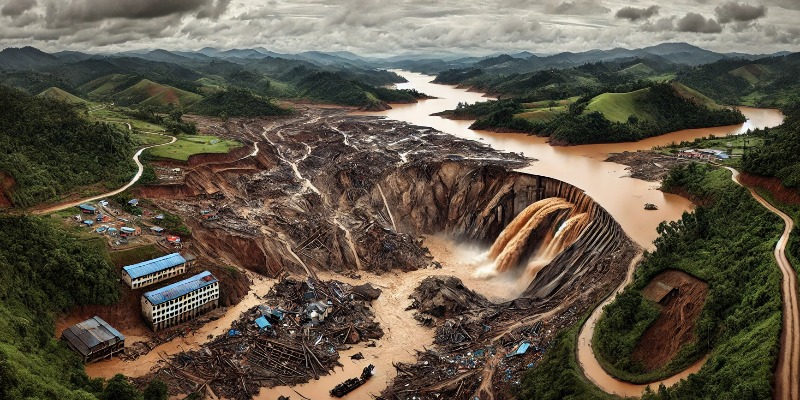
In October 2015, the Fundão Dam, located in the state of Minas Gerais, Brazil, collapsed, triggering one of the largest environmental catastrophes in the country’s history.
The Fundão Dam was part of a mining complex managed by Samarco, a joint venture between Vale and BHP Billiton. It was a tailings dam intended to store toxic sludge generated from iron ore extraction.
These structures, known as tailings ponds, are essential for containing mining residues that would otherwise contaminate surrounding land and water sources. The Fundão Dam, approximately 110 meters high, was designed to hold up to 55 million cubic meters of waste sludge.
However, from its construction, the dam showed several technical problems. Reports following the disaster revealed that the dam’s design did not adequately account for soil composition and structural stability—critical elements for the safety of a containment dam of this magnitude.
Specifically, it was found that the clay in the soil beneath the dam could not adequately withstand the weight and pressure of the sludge, increasing the risk of structural failure.
Causes of the Collapse
The collapse of the Fundão Dam was the result of a combination of technical, operational, and managerial factors. Investigations conducted after the incident highlighted numerous warning signs ignored over the years. The main identified causes include:
Structural and Design Issues: The dam’s design was based on incorrect assumptions about the soil's ability to support the sludge load. Moreover, over time, structural modifications weakened the dam’s overall stability without implementing the necessary countermeasures to ensure the facility's safety.
Increasing Volume of Waste: Samarco had significantly increased mining production, raising the volume of waste deposited in the dam. This increase was not accompanied by structural reinforcement, leaving the dam vulnerable to overloads.
Lack of Monitoring and Maintenance: One of the most critical issues identified in the investigations was the insufficient monitoring of the dam’s stability. Despite evident signs of instability—such as cracks and minor collapses—the authorities and involved companies had not taken preventive or corrective measures.
Natural Factors: Although not a primary element, the heavy rains that hit the region in the weeks before the collapse contributed to worsening the situation, increasing pressure on the dam’s slopes. However, as the investigations pointed out, these precipitations should not have posed a problem for a properly designed and maintained structure.
Poor Risk Management: Perhaps the gravest aspect of the entire affair was the failure in risk management by the companies involved. BHP and Vale not only did not implement adequate preventive measures, but they also ignored expert recommendations, which had repeatedly indicated the need for corrective interventions on the dam.
Despite promised compensations, many victims feel that justice has not been served. This has led to a long and complicated legal battle involving multiple jurisdictions.
The latest chapter of this saga is unfolding in the United Kingdom, where about 720,000 Brazilian citizens have filed a lawsuit against BHP, one of the world’s largest and most powerful mining companies, with a market value that places it among the global leaders in the sector.
The London Trial
In 2023, a significant trial began in London against BHP, accused of negligence in managing the Fundão Dam. This trial represents a turning point in transnational legal actions, as it attempts to establish accountability for events that, although occurring in Brazil, are directly connected to decisions made by a multinational headquartered in Australia with worldwide operations.
The lawsuit’s value is estimated at around $44 billion, a sum that reflects not only material damages but also human suffering and environmental destruction.
The lawyers representing the Brazilian victims argue that BHP did not take adequate measures to ensure the dam's safety, despite being aware of the risks associated with its structure and the management of mining waste. The accusations include lack of maintenance, poor oversight, and negligence in responding promptly to warning signals.
Impact of the Disaster
The collapse of the Fundão Dam was not only an environmental disaster but also a human tragedy. At least 19 people lost their lives due to the toxic sludge flood, and thousands more were displaced from their homes.
Nearby towns like Bento Rodrigues were completely wiped out. The repercussions extend to wildlife and water resources as well. The Doce River, one of Brazil’s most important rivers, was contaminated, destroying the livelihoods of communities that depend on fishing and agriculture.
Beyond the immediate loss of lives and the destruction of local infrastructure, the long-term impact on affected populations is devastating.
Many of the communities involved have not yet been rebuilt, and compensations promised by the responsible companies have not been distributed equitably or sufficiently, according to victims' claims.
This has generated a growing sense of injustice, pushing the victims to seek justice at an international level, given the Brazilian judicial system's apparent ineffectiveness in securing adequate compensation.
A Symbolic Case for Corporate Responsibility
The lawsuit against BHP in London is much more than a simple claim for damages. It is emblematic of a growing global trend: the demand for greater corporate accountability towards local communities and the environment.
Increasingly, large companies are being held accountable for their actions in courts outside the jurisdictions where they directly operate. This shift reflects a growing awareness of the global impact of multinational operations and the need for legal mechanisms that can adequately address these dynamics.
The Fundão case is particularly significant as it involves one of the world’s largest mining companies, calling into question the practices of an entire industry. The mining sector is often accused of neglecting the environmental and social impacts of its activities, especially in developing countries where regulations are less stringent and governmental oversight is weaker.
Future of the Trial
Although the trial in London is just beginning, it could have far-reaching implications for the entire mining sector and natural resource management globally. A victory for the 720,000 Brazilians involved in the lawsuit could set an important legal precedent, prompting other communities affected by similar disasters to seek justice in international courts.
However, BHP has stated it will vigorously fight the charges, claiming it acted in compliance with local laws and regulations and has already significantly contributed to compensations through an agreement with the Brazilian government.
The company has also questioned the legitimacy of the UK trial, noting that the events and damages occurred in Brazil.
Conclusion
The Fundão Dam disaster will forever remain a stain on the mining industry’s history, but the ongoing trial in London represents hope for the Brazilian victims seeking justice.
The outcome of this case could redefine the boundaries of corporate accountability on an international level and send a clear message to multinationals: communities and the environment cannot be considered expendable in the name of profit.