- Introduction to the Balvano disaster: the worst train accident in Italy
- The historical context of 1944: war, privations and clandestine journeys
- The night of the tragedy: what happened in the “Delle Armi” gallery
- The technical causes of the disaster: the role of carbon monoxide
- The Impact of Poison Gas: How Carbon Monoxide Killed Hundreds
- Censorship by the authorities: why the Balvano disaster was covered up
- The human consequences: the victims and the few survivors of the tragedy
- The Historical Legacy of the Balvano Disaster: Lessons for the Future
Discover the Tragic Story of the Train Stuck in the "Delle Armi" Tunnel in 1944: Over 500 Victims of Toxic Fumes Released by Coal Locomotives
By Marco Arezio
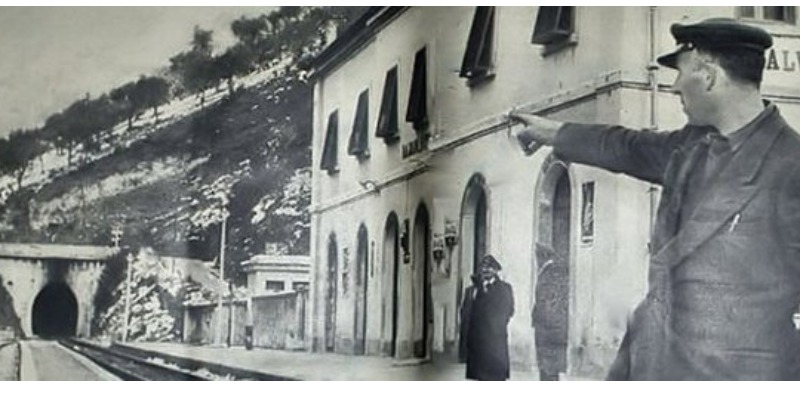
The Balvano train disaster, which occurred on the night between March 2 and 3, 1944, stands as the deadliest train accident in Italian history in terms of fatalities. More than 500 people lost their lives inside the "Delle Armi" tunnel, near the Balvano station in the province of Potenza, Basilicata. This tragic event was not caused by a train collision or derailment, but by carbon monoxide poisoning produced by coal-powered locomotives.
The Historical Context
The tragedy took place during World War II, in a particularly dramatic period for Italy. In 1943, following the Cassibile Armistice, the country was divided: the north was occupied by Nazi forces, while the south was under Allied control. In this chaotic context, marked by deprivation and misery, civilians were desperately trying to survive. The shortage of food and essential goods pushed many to take risks with the black market, using freight trains to travel clandestinely and transport contraband goods.
The Causes of the Disaster
The train involved in the tragedy was a freight convoy consisting of two coal-powered locomotives and a long line of wagons. Due to the war and desperate economic conditions, hundreds of people had hidden in the wagons to travel clandestinely, often transporting goods or seeking refuge from bombings.
The disaster occurred when the train, stalled in the "Delle Armi" tunnel due to the steep incline and excessive load, was unable to move forward. The locomotives, in their attempt to move the convoy, began producing an enormous amount of exhaust fumes containing carbon monoxide, a colorless and odorless but extremely toxic gas. The 1,692-meter-long tunnel, poorly ventilated, became a death trap: the gas quickly filled the environment, poisoning the passengers trapped in the wagons.
Carbon Monoxide Poisoning
Carbon monoxide binds to hemoglobin in the blood, preventing oxygen from reaching vital organs. Symptoms of poisoning include dizziness, nausea, loss of consciousness, and, in severe cases, death. In a closed tunnel with almost no ventilation, the train passengers had no chance of escape. Most victims died in their sleep or quickly lost consciousness without realizing what was happening.
Censorship and Consequences
The tragedy occurred during a delicate moment in the war. The Allied authorities, who controlled the area, chose to censor the incident to avoid further demoralizing the Italian population, already deeply affected by the conflict. This silence contributed to making the Balvano disaster one of the darkest and least known tragedies in Italian history.
Of the 49 survivors, many suffered permanent brain damage due to the poisoning. The incident left behind numerous unanswered questions, particularly regarding the responsibilities of the railway authorities and the organization of transportation during an emergency period. Although the tragedy was attributed to a combination of factors – including the lack of ventilation in the tunnel, the train's excessive load, and the use of coal-powered locomotives unsuited for such conditions – it remains a tragic example of the hardships and sacrifices endured by the Italian population during World War II.
Conclusions
The Balvano train disaster was not just a human tragedy but also a testament to the chaos and despair of an era marked by war. Today, the memory of this event should serve as a warning about the consequences of decisions made in emergency situations and the importance of safety in transportation. Additionally, it is crucial to continue telling this story to honor the victims and keep alive the memory of one of the most dramatic episodes in our national history.
© Reproduction Prohibited
fotowikimedia