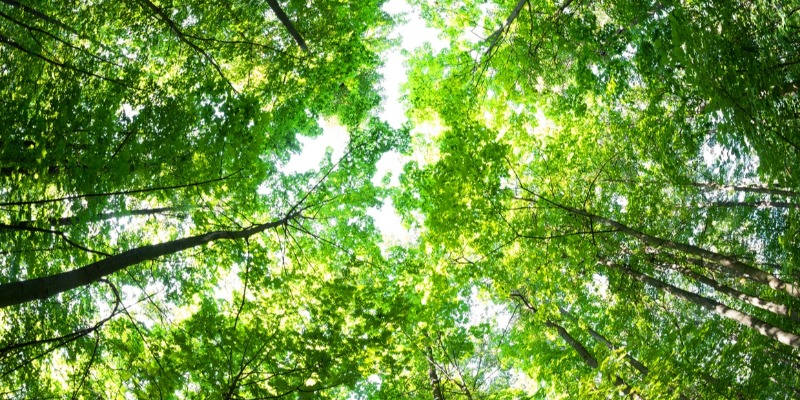
How Plant Terpenes Improve Mental and Physical Health
The Benefits of Terpenes: Discover How Plants Can Boost Your Well-Being
Forest Therapy: How Terpenes Can Reduce Stress and Anxiety
The Role of Terpenes in Plants: How They Improve Our Psychophysical Well-being
The Power of Nature: Benefits of Terpenes for Physical and Mental Health
The Connection Between Plants, Terpenes, and Health: How to Simplify Your Self-Care
Forest Therapy and Terpenes: How Nature Influences Our Psychophysical Balance
Plants and Terpenes: Scientific Discoveries on Natural Healing for Body and Mind


How Plant Compounds Improve Physical and Mental Well-Being Through the Power of Nature
by Marco Arezio
Terpenes, fundamental aromatic components of plants , play a crucial role not only in plant ecology but also in human health, offering a wide range of benefits.
These volatile organic compounds have been linked to improvements in mental and physical health, prompting a growing interest in forest therapy, a practice that uses the natural environment to promote mental and physical well-being.
This article explores the nature of terpenes, their health effects, and the effectiveness of forest therapy, supported by scientific evidence.
What are Terpenes?
Terpenes are a large class of organic compounds produced by plants, known for their diverse fragrances and aromas. These compounds play many crucial roles in plants, from protecting against predators to attracting pollinators.
Terpene Classification
Monoterpenes : Volatile compounds responsible for the aromas of many plants.
Sesquiterpenes : Larger than monoterpenes, they contribute to the aromatic and therapeutic properties.
Diterpenes, Triterpenes, and Beyond : Complex, Structural and Defensive Roles in Plants.
Health Benefits of Terpenes
Physical Benefits
Terpenes have a number of beneficial effects on physical health, including:
Anti-Inflammatory Activity : Many terpenes have been shown to have anti-inflammatory properties, reducing inflammation and aiding in the management of conditions such as arthritis and other chronic inflammatory diseases.
Antioxidant Effects : They fight oxidative stress by protecting cells from damage caused by free radicals, thus contributing to the prevention of chronic diseases such as cardiovascular disease and cancer.
Antimicrobial Potential : Some terpenes possess antimicrobial properties, making them effective against a wide range of pathogens, including bacteria, viruses, and fungi.
Mental Health Benefits
Terpenes also have a significant impact on mental health, offering benefits such as:
Anxiety and Stress Reduction : Compounds like limonene and linalool have been shown to reduce stress and anxiety levels, promoting a sense of calm and well-being.
Improved Sleep : Myrcene and linalool, in particular, are known for their sedative properties, which can help improve the quality of your sleep.
Antidepressant Effects : Research suggests that some terpenes may exert positive effects on mood and could be used as complementary treatments for depression.
Supporting Studies and Research
Scientific research has begun to confirm these empirical observations, with studies showing that exposure to terpenes can lead to significant improvements in both physical and mental health.
For example, one study found that inhaling limonene reduced markers of stress in animal models, while human research has linked inhaling linalool to decreased heart rate and anxiety.
Current Research Limitations
Despite the promising evidence, it is important to note that many studies are still in their early stages, and more research is needed to fully understand the breadth and mechanisms by which terpenes influence health. Additionally, individual variation in response to terpenes suggests the need to personalize treatment approaches.
What is Forest Therapy?
Forest therapy, also known as "forest bathing" or " Shinrin-yoku " in Japan, where it was developed in the 1980s, is based on the idea that spending time in nature, particularly in woods or areas with many trees, can have profound beneficial effects on physical and mental health.
This practice uses natural environments to promote human well-being, emphasizing the importance of multisensory interaction with the forest environment.
Mechanisms of Action
Forest therapy can positively influence health through several mechanisms:
Terpene Exposure : Plants release terpenes into the air, particularly in forested environments. Inhaling these volatile organic compounds can have calming effects, reduce stress, and improve mood.
Connecting with Nature : The simple act of being immersed in a natural environment can reduce stress levels, lower blood pressure, and improve concentration and creativity.
Physical Activity : Walking or exploring a forest encourages moderate physical activity, which is beneficial for cardiovascular health.
Scientifically Proven Benefits
Research has identified several benefits of forest therapy, including:
Reduce Stress and Anxiety : Studies have shown that spending time in woodland environments significantly reduces levels of cortisol, an indicator of stress.
Improved Immune Function : Regular exposure to nature has been linked to an increase in the number and activity of NK (natural killer) cells, which play a crucial role in the body's defense against viruses and tumors.
Mental Health Benefits : Forest therapy has been shown to reduce symptoms of depression and anxiety, improving mood and emotional well-being.
Scientific Evidence
The scientific basis of forest therapy is solid and growing.
For example, a study in Japan measured the effects of forest therapy on biological indicators such as blood pressure, cortisol levels, and NK cell activity, finding significant improvements after only a short time in a forest environment.Another study examined the impact of inhaling forest terpenes, finding that these natural compounds can actually reduce stress and improve mental health.
Limitations and Challenges
Despite the highlighted benefits, forest therapy faces some challenges and limitations. Research is ongoing, and many studies rely on small sample sizes or are limited in their ability to isolate specific variables.
Additionally, accessibility to forest environments can vary greatly based on geography and urban development, making it more difficult for some populations to take advantage of the benefits of forest therapy.
Concluding this section, we have explored how forest therapy uses the natural environment to promote physical and mental health, emphasizing the crucial role of terpenes. The research thus far clearly indicates benefits, while acknowledging the need for further study to fully understand the potential of this practice.
Terpene-Rich Plants for Forest Therapy
Forest biodiversity offers a wide variety of plants, many of which are rich in beneficial terpenes. Here are some of the most relevant to forest therapy:
Pine (Genus Pinus)
Main Terpenes: Alpha-pinenol, beta-pinenol, limonene.
Benefits: Pine trees are known for their ability to reduce stress and improve mood, due to their high concentration of volatile terpenes that may have calming and anti-inflammatory effects.
Cedar (Genus Cedrus)
Main Terpenes: Cedrene, cedrol.
Benefits: The woodsy scent of cedar has a relaxing effect and can help reduce stress and anxiety, as well as promote better sleep.
Eucalyptus (Genus Eucalyptus)
Main Terpenes: Eucalyptol (1,8-cineole).
Benefits: Eucalyptus is known for its anti-inflammatory and analgesic properties, as well as improving breathing and stimulating the immune system.
Lavender (Lavandula spp.)
Main Terpenes: Linalool, Linalyl Acetate.
Benefits: Lavender is widely recognized for its calming and relaxing properties, useful in the treatment of anxiety, stress and sleep disorders.
How Terpenes Work
Forest therapy takes advantage of the terpene-rich natural environment through the inhalation of forest air, which contains the volatile compounds released by these plants. These terpenes interact with the human olfactory system, positively influencing the nervous system and promoting physical and mental health benefits.
Incorporating Plants into the Context of Forest Therapy
To maximize the benefits of forest therapy, it is advisable to seek out wooded areas with a rich diversity of these plants. Walking, deep breathing exercises, and meditation in these areas can amplify exposure to beneficial terpenes.
Conclusions
Understanding and appreciating terpene-rich plants offers an exciting prospect for improving our health and well-being through forest therapy. As research continues to unravel the specific mechanisms by which terpenes influence health, it is clear that integrating nature into our daily lives can have profoundly positive effects.
Books
“The Healing Power of Forests” by Dr. Qing Li
A seminal work on the subject of Shinrin-yoku or "forest bathing," written by one of the world's leading experts. Dr. Li explores the scientific effects of forest therapy on mental and physical health.
“Forest Bathing: How Trees Can Help You Find Health and Happiness” by Dr. Qing Li
Another book by Dr. Li that focuses on how exposure to trees and forest therapy can improve quality of life, with a focus on the science behind the benefits of terpenes released by plants.
“Essential Oils: A Handbook for Aromatherapy Practice” by Jennifer Peace Rhind
Although focused on essential oils, this book provides an in-depth understanding of terpenes, their roles in plants, and their effects on human health.
Scientific Articles
" Physiological Effects of Nature Therapy: A Review of the Research in Japan " published in International Journal of Environmental Research and Public Health
This article provides a comprehensive review of studies conducted in Japan on the benefits of forest therapy, including the health effects of terpenes.
“ Terpenes from Forests and Human Health ” published in Toxicological Research
A study exploring different types of forest-derived terpenes and their potential positive impact on human health, with a focus on mechanisms of action and therapeutic applications.
“ Forest Bathing Enhances Human Natural Killer Activity and Expression of Anti-Cancer Proteins ” published in International Journal of Immunopathology and Pharmacology
A research article examining how forest therapy can increase NK cell activity, with particular attention to the chemical compounds, including terpenes, present in the forest environment that contribute to these effects.
© Reproduction prohibited