- The Roots of Biophilia: Origins and Evolution of the Concept
- Nature as a Psychological and Physiological Necessity
- The Effects of Biophilia on Mental and Physical Well-being
- Biophilia and Biophilic Design: A New Frontier for Cities
- The Role of Biophilia in Education and Creativity
- Biophilia and Sustainability: A Model for the Circular Economy
- Ecological Amnesia: The Loss of Connection with Nature
- Biophilia as a Tool to Build the Future
Discovering how the connection with nature influences human well-being, social relationships, and the construction of a more sustainable society
By Marco Arezio
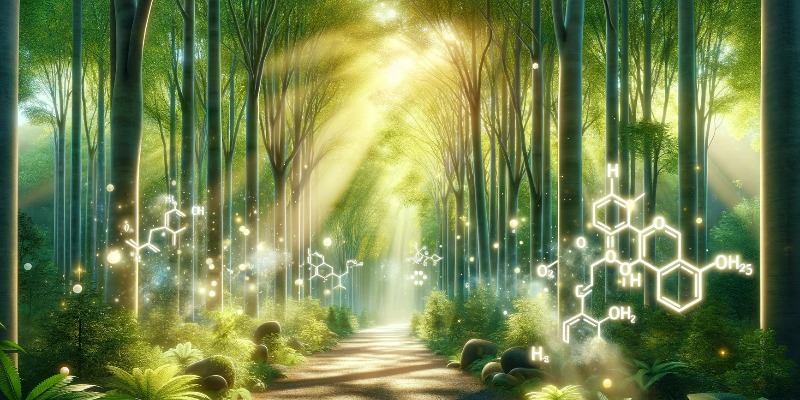
Biophilia is a fascinating concept that embraces the intrinsic relationship between humans and nature, highlighting how this connection deeply affects our well-being, society, and the surrounding environment.
In this article, we will explore the origins, meaning, and impact of biophilia, outlining how it can guide us toward a more balanced and sustainable society.
What Does Biophilia Mean?
The term "biophilia" derives from ancient Greek, with "bio" meaning life and "philia" translating to love or affinity.
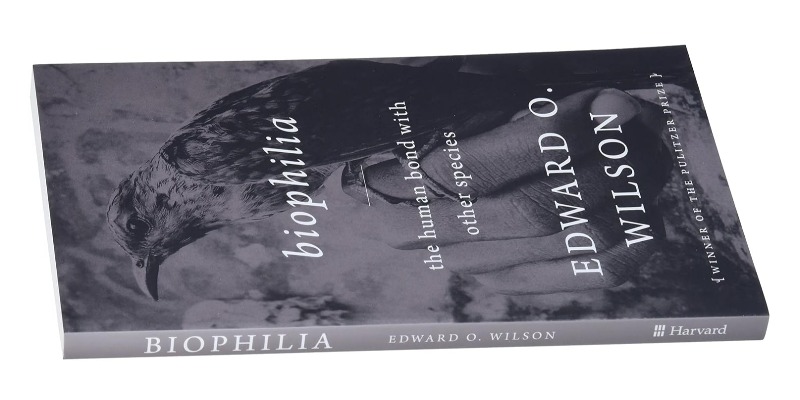
It was popularized by the American biologist Edward O. Wilson in his 1984 book Biophilia, where the author describes this human tendency as a biological predisposition to connect with other forms of life.
Biophilia is not merely a superficial interest in nature but a genuine psychological necessity that influences our emotional and mental states.
In practice, it manifests as an attraction to plants, animals, natural landscapes, and all elements reminiscent of the natural environment. It can be experienced through the desire to walk in a forest, cultivate a garden, or simply surround oneself with plants at home or in the office.
The Origins of Biophilia
The origin of biophilia is linked to human evolution. For millions of years, humans lived immersed in nature, relying on it for food, shelter, and survival. This long interaction shaped our brains, making natural environments essential for our psychological well-being.
According to Wilson, biophilia is a remnant of this long evolution: an innate bond with nature that accompanies us despite increasing urbanization and separation from natural spaces. Indeed, natural landscapes are often associated with safety and abundance, while sterile and artificial environments can cause stress and disorientation.
The Effects of Biophilia on Humans
Numerous scientific studies have shown that the connection with nature has beneficial effects on various aspects of human life, including:
Mental Well-being
Spending time in nature or even just observing natural landscapes reduces stress, anxiety, and depression levels.
Exposure to nature stimulates the release of serotonin and lowers cortisol levels, the stress hormone. Biophilic environments, such as offices with plants or homes with gardens, promote relaxation and improve mood.
Physical Health
Interaction with nature encourages physical activities like walking, running, or hiking, improving cardiovascular and respiratory health. Additionally, being outdoors increases exposure to natural light, essential for vitamin D production and proper immune system function.
Creativity and Productivity
Biophilic environments have been shown to enhance creativity and concentration.
An office that integrates natural elements, such as plants, natural light, and organic materials, fosters greater workplace well-being and higher productivity.Education and Learning
In educational contexts, exposure to green spaces improves cognitive abilities, memory, and academic performance. Children, in particular, exhibit better attention and more balanced behavior when they have access to natural spaces.
The Impact of Biophilia on Society
Biophilia is not just an individual concept but has profound social implications. Promoting a closer relationship with nature can improve collective well-being, support environmental sustainability, and foster social cohesion.
Urbanization and Biophilic Design
The rise of urbanization has distanced humans from nature. However, biophilic design—an architectural approach that integrates natural elements into buildings and urban spaces—is gaining popularity.
Examples include green roofs, vertical gardens, urban parks, and the use of natural materials in buildings. These spaces improve the quality of life in cities, making them more livable and sustainable.
Economy and Sustainability
Biophilia also promotes an economic vision in harmony with nature. Initiatives such as regenerative agriculture, sustainable tourism, and green building seek to combine human well-being with environmental conservation. A biophilic society tends to value circular economy practices and efforts that minimize environmental impact.
Culture and Community
Green spaces encourage social interaction and community building. Parks, urban gardens, and shared green areas not only improve city aesthetics but become places of meeting, collaboration, and inclusion.
The Challenge of Biophilia in the 21st Century
Despite the evident benefits, the human-nature bond is threatened by issues such as deforestation, climate change, and uncontrolled urban expansion. The risk is a growing "ecological amnesia," where future generations may lose their connection with nature, ignoring its importance.
Promoting biophilia today also means educating people, especially the youth, on the importance of preserving biodiversity and living in harmony with the environment. Schools, businesses, and governments play a crucial role in making this vision a priority.
Conclusion
Biophilia represents a key to the future of human well-being and sustainability. Cultivating our bond with nature is not just a luxury but a necessity to face the challenges of the modern world.
Investing in biophilia, both personally and collectively, means building a healthier, more resilient society in harmony with the planet.
Whether it’s a walk in the woods, an office filled with plants, or a neighborhood with lush parks, biophilia reminds us that nature is not only our past but also our future.
© All Rights Reserved