- Post-consumer plastic extrusion: from waste to transformable material
- Differences between single-screw and twin-screw extruders in polymer recycling
- Screw design and effects on the rheological behavior of the melt
- Ground feed management: bulk density, flow rate and process stability
- Extrusion degassing: removal of moisture, VOCs and volatile contaminants
- Continuous filtration and gear pumps for melt stabilization
- Thermo-oxidative stabilizations and chain extenders in post-consumer materials
- Advanced Compounding of Recycled Materials: Additives, Fillers, and Tailor-Made Formulations for Industry
Processes, technologies, and rheological stabilization strategies for transforming post-consumer plastics into high-performance recycled materials
Essay. Recycling of Post-Consumer Plastics. Chapter 11: Extrusion and Compounding of Post-Consumer Materials
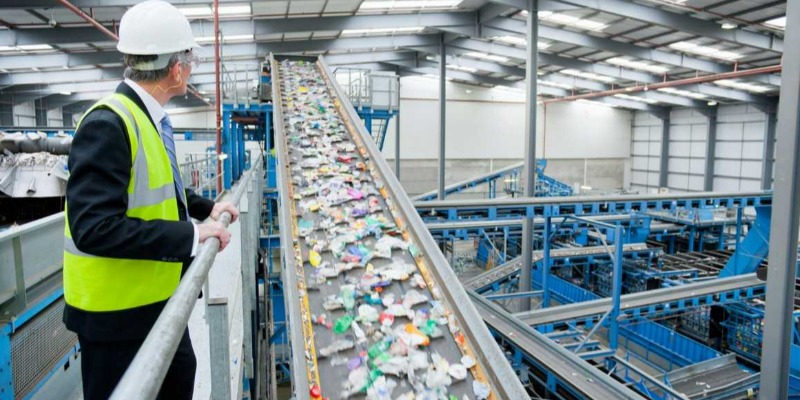
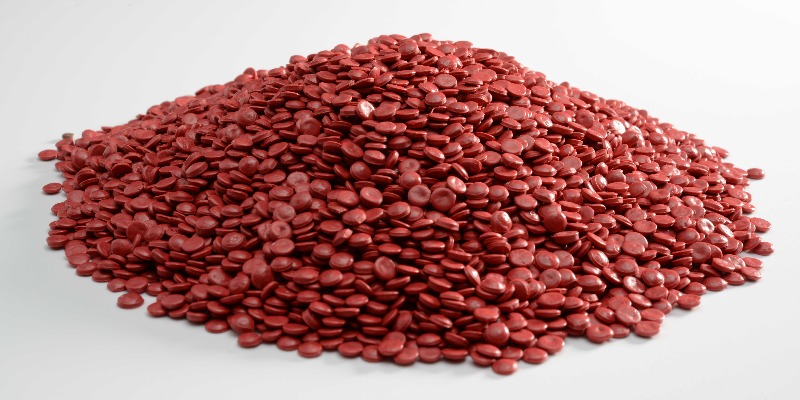
Extrusion represents the moment when post-consumer material definitively ceases to be perceived as waste and becomes transformable plastic. All the previous phases—from sorting to grinding, from washing to pre-treatment, up to the definition of quality parameters—converge in this critical step, in which the heterogeneous, cleaned, and sized flakes are brought to a molten state through a sequence of controlled mechanical and thermal stresses. Extrusion is therefore not simply a melting operation, but a rheological reconstruction of the material, a process in which energy, pressure, and temperature combine to define the quality of the recycled polymer.
Unlike virgin materials, which are designed to melt predictably, post-consumer plastics exhibit inherent variability: broader molecular weight distributions, traces of unknown additives, surface residues, varying crystallinity gradients, and, in some cases, little or no thermal history. Extrusion must therefore treat the material not only as a polymer, but as a memory of previous processes, which can influence thermal stability, viscosity, and the material's ability to respond positively to stress.

The heart of extrusion is the screw, or more precisely, the screw profile, which guides the material through the feeding, compression, plasticization, degassing, and pumping zones.
In a single-screw extruder, melt control depends on the helical geometry and the interaction between shear force and jacket temperature. In recycling, however, the single-screw extruder shows clear limitations in managing fine impurities, rheological variations, and less than perfectly homogeneous flows. For this reason, many recyclers adopt co-rotating twin-screw extruders, which are more versatile and suitable for complex materials......© Reproduction Prohibited