- Complexity of post-consumer plastic flows and the strategic role of selection
- Mechanical pretreatment in plastic recycling: sieving, shredding and grain size management
- Plastic films, mixed rigid films and technical flows: operational challenges for sorting plants
- Densimetric separation of plastics: physical principles, controlled gravity tanks and flow quality
- Optical sorting in plastic recycling: NIR, VIS, laser sensors and multispectral systems
- Architecture of modern sorting plants: process integration and recycling management
- Quality control, industrial yield and processor requirements for secondary raw materials
- Digitalization, predictive maintenance and energy efficiency in plastic sorting plants
From mechanical pretreatment to densimetric separation and optical sorting: sensors, algorithms and plant architectures that govern the complexity of post-consumer plastic flows
Essay. Recycling of Post-Consumer Plastics. Chapter 6: Sorting Technologies in Plastic Recycling
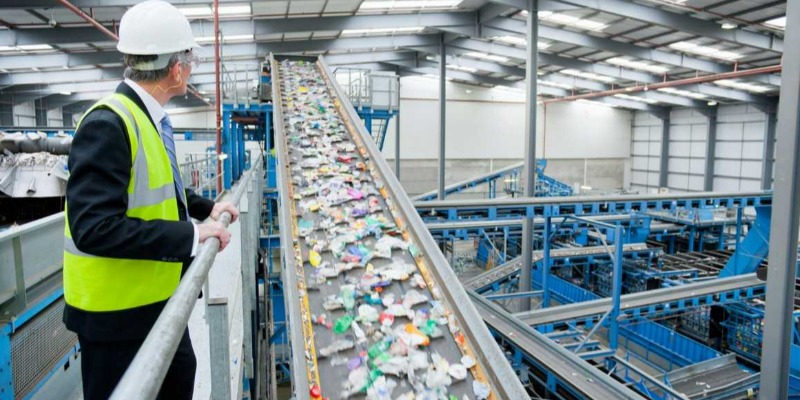
Sorting technologies represent the operational heart of the plastic recycling industry. They are the point of intersection between what arrives from collection systems and what becomes secondary raw materials destined for the washing, fine grinding, and extrusion phases. The efficiency of a recycling plant depends largely on its ability to manage the complexity of incoming flows: materials with different chemical compositions, shapes, densities, physical behaviors, levels of contamination, and usage history. There is no standard plastic flow; everything entering a plant is the result of territorial, regulatory, logistical, and social dynamics that shape, in a more or less controllable way, the quality of the available material.
The complexity of flows is the first element that a sorting technology must address. PET bottles, for example, are one of the most valuable materials in mechanical recycling and are relatively consistent in their behavior: they have a recognizable shape, predictable density, respond well to optical systems, and have a consolidated industrial value. However, even within this seemingly homogeneous flow, significant variability exists: different colors, the presence of heat-shrink sleeves, organic impurities, PP or HDPE caps, metallized labels, liquid residues, and deformations due to compaction. Each element impacts the ability of the technologies to distinguish, separate, and transform them into a material of a quality adequate for industrial needs.

Even more complex is the flow of plastic films.
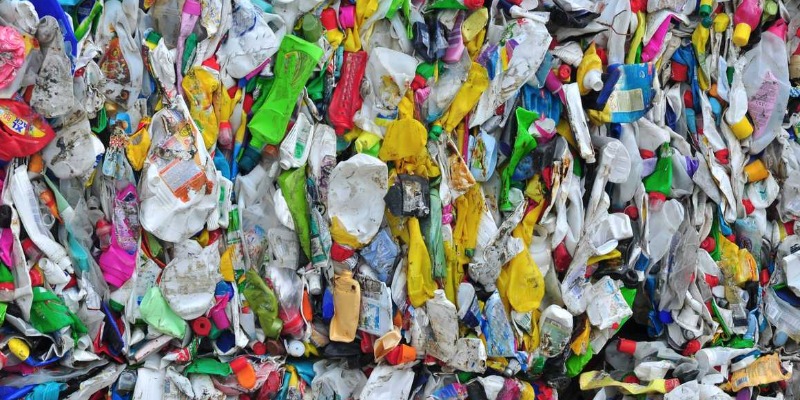
The thin, irregular, and flexible nature of these materials makes them difficult to handle from the first contact with the sorting lines. Films tend to tangle, stick to belts, get caught in mechanical systems, and evade optical recognition when dirty, creased, or layered. Their heterogeneity is extreme: LDPE packaging, agricultural films, industrial films, distribution bags, laminated materials, and protective covers. Many of these products are the result of intensive use and contain high levels of contaminants: organic residues, soil, sand, paper fragments, and adhesives. Film sorting, more than any other category, is a test of a plant's ability to manage difficult and unstable materials......© Reproduction Prohibited