- Introduction to Photovoltaic Roofs
- The Technology of Photovoltaic Tiles
- Production of photovoltaic tiles
- Installation of photovoltaic tiles
- Aesthetic and Architectural Advantages
- Compatibility with Historic Buildings
- Comparison with Traditional Solar Panels: Costs and Energy Efficiency
An Innovative Solution for Producing Clean Energy While Maintaining the Aesthetics of Buildings, Including Historic Ones. Comparison with Traditional Solar Panels in Terms of Costs and Efficiency
by Marco Arezio
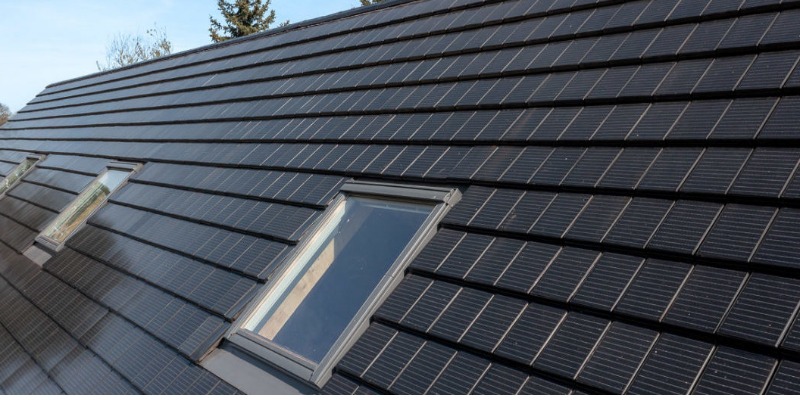
Photovoltaic tiles are an innovation that promises to revolutionize the way we produce and consume energy. They integrate photovoltaic cells directly into roof tiles, thus transforming the surface of the house into an electric power plant.
This system represents an aesthetic and efficient solution compared to traditional solar panels, which are often considered unattractive and bulky.
The production of photovoltaic tiles is a complex process that combines traditional building materials with advanced technology.
The tiles are generally made of ceramic or composite materials, but the true innovation lies in the application of thin films of monocrystalline or polycrystalline silicon on their surface. These films capture the sun's energy and convert it into electricity, thus offering a dual function: protecting the house from weather elements and generating clean energy.
The installation of photovoltaic tiles requires specific skills, especially because they need to be integrated into the building's electrical system.
After an initial site evaluation to verify the roof's orientation and the presence of shadows, the system design proceeds. Once the roof is prepared, the photovoltaic tiles are installed as if they were traditional tiles, but with particular attention to the electrical connection.
Finally, the tiles are connected to an inverter that converts the direct current produced by the cells into alternating current, ready to be used in the building.
One of the main differences between photovoltaic tiles and traditional solar panels is the aesthetic aspect. Photovoltaic tiles are designed to blend seamlessly with the building's architecture, maintaining the original aesthetics of the roof.
This makes them particularly suitable for historic buildings or in contexts where visual impact is a critical factor.
Traditional solar panels, on the other hand, often require support structures that can be invasive and unsightly.
The compatibility of photovoltaic tiles with the roofs of historic buildings is a crucial aspect. Thanks to the possibility of aesthetic customization, these tiles can faithfully mimic traditional tiles, allowing the preservation of architectural heritage without sacrificing the benefits of renewable energy.
However, installation on historic buildings must be carried out with extreme care, respecting local regulations on the conservation of cultural heritage and obtaining the necessary authorizations.
Speaking of costs and energy efficiency, photovoltaic tiles tend to be more expensive than traditional solar panels.
This is due to the complexity of the production process and the need for aesthetic customization. However, the higher initial cost can be offset over time by the aesthetic benefits and harmonious integration with the building.
In terms of energy efficiency, photovoltaic tiles and traditional solar panels offer comparable performances, although specific efficiency can vary depending on the type of photovoltaic cells used.
The amount of energy produced by photovoltaic tiles depends on various factors, such as cell efficiency, roof orientation, available surface area, and weather conditions.
On average, one square meter of photovoltaic tiles can produce between 100 and 200 watts of power under ideal conditions. For comparison, a 50-square-meter roof covered with photovoltaic tiles could generate 5 to 10 kW of power, sufficient to cover a significant portion of a household's energy needs.
In conclusion, photovoltaic tiles represent an innovative and sustainable solution for producing electricity.
They offer numerous advantages over traditional solar panels, including better aesthetic integration and the possibility of being used on historic buildings.
Despite higher initial costs, photovoltaic tiles can represent a valuable long-term investment, contributing to reducing CO2 emissions and promoting clean and sustainable energy.
photo: PV magazine