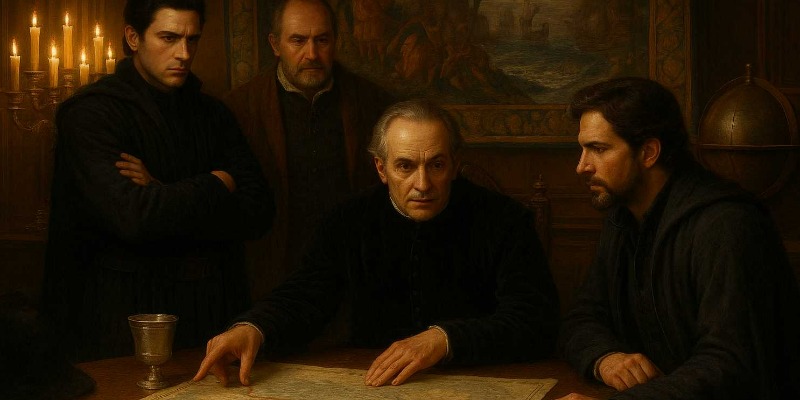
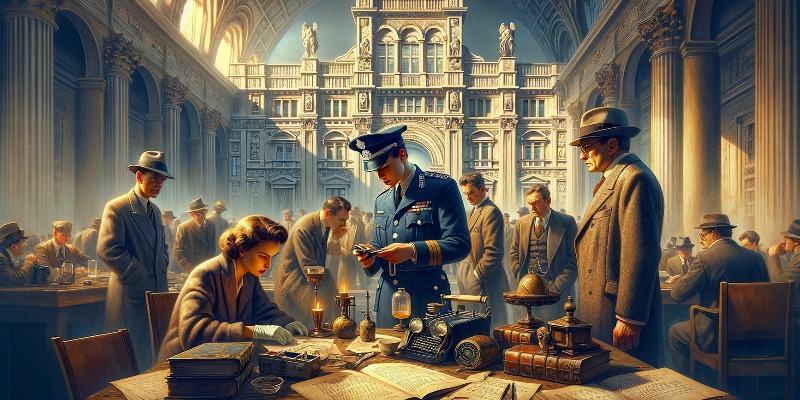
This chapter introduces a new way of looking at what surrounds us: every object, even the most humble or worn, holds traces of lives, gestures, and times that we too often ignore. The transformation of a good into waste is never simply a practical matter: it reflects our culture, our changing desires, and the identities we construct.
Tracing centuries of material history—from the eras when nothing was wasted to the industrial revolution that forever changed the fate of objects—the chapter shows how the concept of waste has become a central category of the modern world. In this ever-changing landscape, the art of recycling reveals a new sensibility: imperfection becomes beauty, abandoned matter finds meaning. Every material, from paper to metal, from glass to plastic, reveals a symbolic soul that contemporary artists can reawaken. It is an invitation to reconsider what we think we know and to discover how, precisely when it seems over, the history of objects can begin to speak again.
A journey through history, philosophy, and hidden symbols in the life of objects that become waste
Essay. New Matter: Chapters 1. Matter as a Story: Cultural Origins of Waste and the Rebirth of Materials
There are moments when an object, no matter how innocuous or seemingly useless, speaks to us. We just need to look at it with a different focus: the crumpled paper that accompanied a distracted reading, a piece of metal bent by time, wood marked by years of weathering, a frayed fabric that has lost its original shape. In any case, matter always tells us something, even when we think it has nothing more to say.
We live in a world where objects appear and disappear so quickly that it's difficult to hear them. Their lives are short, intense, and often anonymous. We buy them, use them, abandon them, without realizing that each one carries within it traces of our history or the history of others. It's no coincidence that, when they become waste, objects begin to speak louder: it's precisely at the moment of detachment that they reveal what they were, what they've been through, what we've decided to no longer see.

The transformation of an object into waste is never a purely functional act.
Sure, things sometimes break, lose their effectiveness, or lose their ability to meet a practical need. But the truth is that the creation of waste is a complex cultural act. We don't just throw away what doesn't work: we throw away what no longer represents us, what reminds us of moments we'd rather forget, what has been replaced by something newer, more attractive, or simply more consistent with the image we want to construct of ourselves. The act of discarding an object is the result of an intricate psychological geometry: it's a mix of aesthetics, identity, habit, economics, and even embarrassment......