Summary
- Who is Leo Baekeland
- Leo Baekeland's patents
- Research on Bakelite
- Applications of Bakelite
The history of Bakelite and its inventor
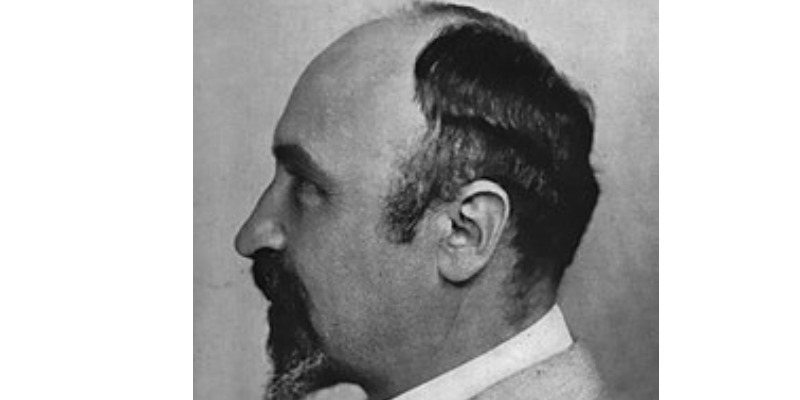
Leo Baekeland was born in a humble family in Belgium on November 14, 1863 with his father who was a shoemaker.
Despite his humble origins, Leo was able to study and immediately became passionate about the chemistry of materials, managing to enroll at the University of Ghent where he graduated in 1882.
After completing his studies, he married and decided to move to the United States to pursue his dream, which was to work in the world of chemistry applied to materials.
In 1893 he founded his own company, the Nepera Chemical Company in Yonkers, in which he began the manufacture of Velox, a revolutionary photographic paper that changed the world of photography.
After having patented his invention, Leo Baekeland comes into contact with Kodak who is interested in his product and proposes to him to take over the patent of the Velox paper process.
Kodak won the resistance of Baekeland by putting on the table a staggering figure for the values of the time, offering him three million dollars.
Although he had become rich the chemist continued his research and, in an attempt to find a substitute for shellac, he concentrated on the reactions between phenol and formaldehyde, obtaining a new, dark-colored plastic product that he called Bakelite.
The new product proved to be very effective in the production of the products that the American industry created for a public increasingly eager for industrial novelties to buy.
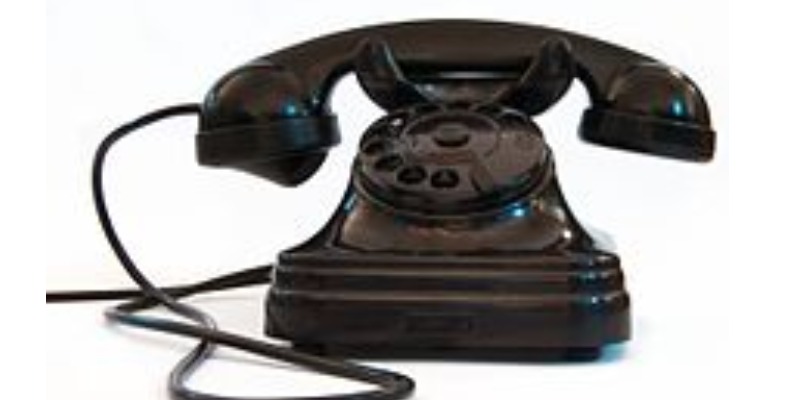
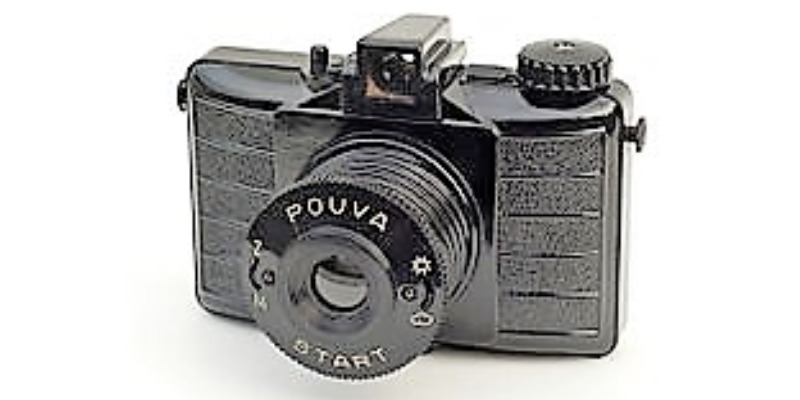
In fact, the advantages of Bakelite were given by its ability to thermo-electrically insulate the new electrical appliances that arrived on the market, such as switches, electrical sockets, but also pot handles, radios, household appliances and many other products. .
Bakelite was considered for a long time to be the first widely used plastic material which replaced, at an industrial level, many other naturally derived products used in the past.
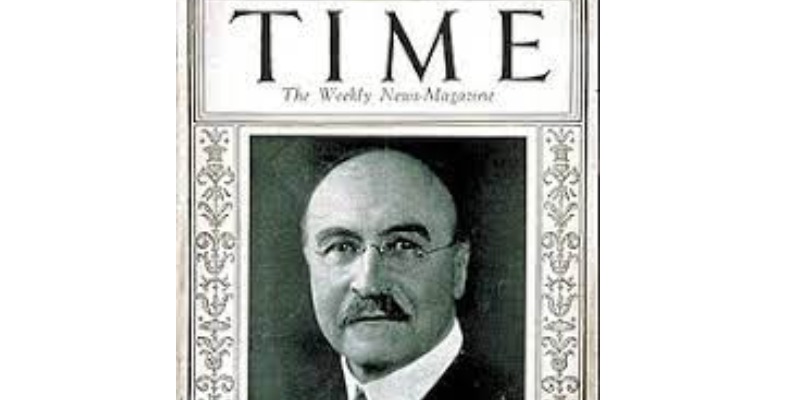
Leo Baekeland died in Beacon on February 23, 1944 and Time magazine ranked him among the 100 greatest characters of the 20th century.
Automatic translation. We apologize for any inaccuracies. Original article in Italian.