- Introduction to sustainable thermal mortars
- How sustainable thermal mortars are produced
- Technical characteristics of thermal mortars
- Advantages of sustainable thermal mortars
- What to know for a conscious purchase
- Examples of sustainable thermal mortars on the market
Sustainable Thermal Mortars: An Ecological and Versatile Solution for Improving Living Comfort
By Marco Arezio
Sustainable thermal mortars offer a concrete response to the needs of modern construction, aiming to reduce environmental impact without sacrificing technical performance. Thanks to the combination of recycled materials and low-impact production processes, these mortars provide an advanced solution for thermal insulation and enhanced living comfort. The growing focus on energy efficiency and sustainability has driven the development of increasingly innovative products, capable of meeting the needs of residential, commercial, and industrial buildings.
The importance of materials like thermal mortars goes beyond their insulating performance. They play a significant role in promoting a circular economy and reducing waste. This article explores their production, technical characteristics, advantages, and criteria for informed purchasing decisions.
How Sustainable Thermal Mortars Are Produced
Sustainable thermal mortars consist of a mixture of binders, lightweight aggregates, and specific additives designed to ensure high insulating performance. Their production focuses on minimizing environmental impact, with particular emphasis on using recycled materials, such as:
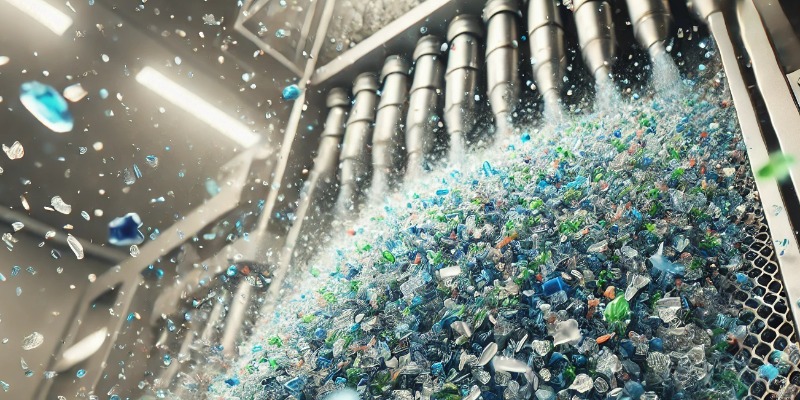
Recycled lightweight aggregates: Expanded perlite, cellular glass, expanded clay, recycled expanded polystyrene, and materials derived from industrial waste, such as ceramic powders or demolition residues. Recycled expanded polystyrene, in particular, is an effective alternative for enhancing the insulating properties of mortars due to its lightness and low thermal conductivity.
Regenerated plastic waste: Used in granular form or as fillers to boost insulating performance and reduce the use of virgin resources.
Recycled fibers: For instance, glass fibers or polyester recovered from waste materials, which help strengthen the mortar’s structure.
Natural or low-impact binders: Such as natural hydraulic lime or eco-friendly cements.
Biological or mineral additives: Useful for improving the mortar’s workability, adhesion, and durability.
Using these materials not only reduces CO2 emissions during production but also promotes the circular economy by transforming waste into valuable resources for sustainable construction.
Technical Characteristics of Thermal Mortars
Sustainable thermal mortars stand out due to their specific technical properties and are a cornerstone of modern construction. Utilizing innovative materials, many derived from recycling processes, these mortars combine excellent technical performance with reduced environmental impact. Their design aims to meet thermal insulation needs without compromising sustainability, making them ideal for improving building energy efficiency and actively reducing ecological footprints.
Thermal insulation: With low thermal conductivity (λ ranging between 0.04 and 0.07 W/mK), they reduce energy dispersion.
Breathability: Their high vapor permeability coefficient (μ between 8 and 15) prevents the formation of condensation and mold.
Mechanical resistance: Ensures good adhesion and cohesion capacity, adapting to various surfaces.
Environmental compatibility: Free from volatile organic compounds (VOCs), they are safe for health and the environment.
Advantages of Sustainable Thermal Mortars
The use of sustainable thermal mortars offers numerous advantages, both technical and environmental:
Energy efficiency: Helps reduce energy consumption for heating and cooling buildings.
Living comfort: Enhances indoor thermo-hygrometric conditions.
Durability: Their chemical-physical properties ensure consistent performance over time.
Sustainability: Reduces ecological footprints by using natural and recycled materials.
Ease of application: Many of these mortars can be applied manually or with plastering machines, simplifying installation processes.
What to Know for Informed Purchasing
To choose a sustainable thermal mortar, it is essential to consider several key aspects:
Environmental certifications: Verify the presence of sustainability marks like EPD (Environmental Product Declaration) or CAM (Minimum Environmental Criteria).
Compatibility with the building: Ensure the mortar is suitable for the type of support and local climatic conditions.
Declared performance: Check technical specifications such as thermal conductivity, density, and mechanical resistance.
Environmental impact: Prefer products made with renewable or recycled raw materials.
Cost and durability: Evaluate the quality-price ratio, considering the product’s longevity and long-term energy savings.
Examples of Sustainable Thermal Mortars on the Market
Here are four sustainable thermal mortars available on the market, each with specific technical characteristics:
Leca M10 Thermo-Seismic Mortar: Manufactured by Leca, this pre-mixed insulating mortar is ideal for load-bearing, ordinary, and partition walls, even in seismic zones. It offers certified compression strength in class M10 (10 N/mm²) and a thermal conductivity of 0.279 W/mK, improving wall insulation by 10-20%. Lightweight (operational density around 1000 kg/m³), non-combustible (Euroclass A1), and eco-compatible, it is certified by ANAB-ICEA for green building.
Blu Mortar by CVR: This lightweight, structural thermal insulation mortar (category M10) is based on pure natural hydraulic lime NHL 3.5 and highly reactive pozzolanic microsilicates. Ideal for green building, it offers high mechanical resistance, excellent vapor permeability, low elastic modulus, and high durability. Fully recyclable at the end of its life, it is compatible with various materials such as solid bricks, perforated bricks, seismic blocks, and natural stones.
ThermoMalta by Fornaci Calce Grigolin: Designed for laying bricks and blocks with high insulation, this thermal mortar avoids thermal bridges and ensures an efficient insulation system. It complies with current regulations and guarantees optimal laying for walls with adequate insulation characteristics.
Diathonite Thermactive.037 by Diasen: This thermal and bio-based mortar is used in sustainable building projects, such as social housing in the Balearic Islands. It offers excellent insulating properties and contributes to living comfort, effectively integrating into eco-friendly construction solutions.
These sustainable thermal mortars combine high technical performance with reduced environmental impact, making them ideal choices for construction and renovation projects focused on energy efficiency and sustainability.
Conclusion
Sustainable thermal mortars represent a valuable solution for those seeking to improve building energy performance while respecting the environment. Their adoption helps reduce energy consumption, cut CO2 emissions, and promote the use of recycled materials like regenerated expanded polystyrene or lightweight waste aggregates. Thanks to their advanced technical characteristics and sustainability benefits, these materials are an intelligent investment for the future, contributing to more efficient and planet-friendly construction practices.
© All rights reserved