






- The Importance of Slow Life Education for Children
- Outdoor Activities to Teach Children to Slow Down
- Reading and Slow Life: Creating a Calm Corner for the Little Ones
- Creative Projects that Promote Awareness in Children
- Traditional Games: Rediscovering Fun Away from Technology
- How to Foster a Connection with Nature from an Early Age
- Educating for Balance: Managing Technology in a Conscious Way
- Benefits of Slow Life for Children's Mental and Emotional Health
Educational Activities, Outdoor Games, and Creative Projects to Promote a More Mindful and Calm Lifestyle
by Marco Arezio
We live in an era marked by a fast-paced rhythm, pervasive technology, and constant pressure to always be productive.
However, awareness is growing about the importance of slowing down and living in a more mindful and relaxed way, embracing the philosophy of the “slow life.”
This approach to life can bring significant benefits not only to adults but also to children. Teaching young ones to live slowly means equipping them with tools for balanced development, fostering their mental, emotional, and physical health.
In this article, we’ll explore the importance of educating children on the slow life and provide practical suggestions for educational activities, outdoor games, reading, and creative projects that encourage a slower, more mindful pace.
The Importance of Educating Children on the Slow Life
Benefits for Mental and Emotional Health
One of the main advantages of teaching slow life principles is the improvement of children's mental and emotional health. The overload of stimuli and the excessive scheduling of daily activities can lead to stress, anxiety, and concentration difficulties.
By teaching children to take time to relax and enjoy the present moment, we help them develop greater self-awareness and stress management skills that will be fundamental to their future well-being.
Fostering Creativity
The slow life provides children with the opportunity to explore their creativity without haste. When children have unstructured free time, they can engage in imaginative play, art, music, and other creative activities. This not only stimulates cognitive development but also their problem-solving skills and independent thinking.
Connection with Nature
Another crucial aspect of slow life education is connecting with nature. Living slowly means having time to observe and appreciate the surrounding natural environment. Outdoor activities, such as walks in parks, hikes, and picnics, not only promote physical health but also strengthen children's bond with nature, instilling a sense of environmental responsibility.
Developing Social Relationships
The slow life also encourages the development of deeper and more meaningful social relationships. When children have more time to interact with family and friends without the urgency of moving quickly from one activity to the next, they can build stronger, lasting bonds. This is essential for their emotional development and for creating a supportive social network.
Tips for Educational Activities that Promote the Slow Life
Outdoor Games
Outdoor games are a fundamental component of slow life education. Here are some ideas:
Nature Exploration: Organize trips to local parks or nature reserves where children can explore, observe animals and plants, and learn to respect the environment.
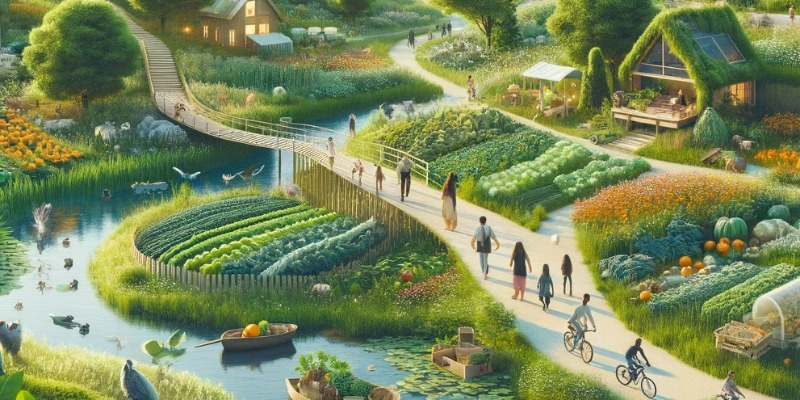
Educational Garden: Create a small garden where children can plant, care for, and harvest fruits and vegetables. This activity teaches patience, respect for nature, and the importance of healthy eating.
Traditional Games: Reintroduce outdoor games like hopscotch, jump rope, and hide-and-seek. These games are not only fun but also promote physical activity and socialization.
Reading Activities
Reading is a perfect activity for slowing down and stimulating the mind. Here are some suggestions:
Reading Nook: Create a cozy corner at home dedicated to reading, with books suitable for the child's age. Encourage daily reading, perhaps before bedtime.
Libraries and Bookstores: Visit local libraries and bookstores regularly. Participate in public readings or children's book groups.
Shared Reading: Read with children, choosing stories that spark their imagination and discussions on important themes. This not only improves their language skills but also strengthens family bonds.
Creative Projects
Creative projects are another excellent way to promote slow life. Some ideas include:
Crafts and DIY: Teach children to create objects with recycled materials like paper, plastic, and fabric. This helps develop manual skills and creativity, while also teaching the importance of recycling.
Music and Dance: Encourage children to explore music and dance. They can learn to play a musical instrument, sing, or take dance lessons.
Creative Writing: Encourage creative writing through storytelling, poetry, or journals. This activity helps children express their thoughts and feelings constructively.
Moderation in Technology
While technology is an integral part of modern life, it’s important to teach children to use it in moderation:
Time Limits: Set time limits for using electronic devices, encouraging alternative activities like reading, outdoor games, or creative projects.
Educational Content: Choose technology content that is educational and stimulating, avoiding games and videos that promote haste or violence.
Quality Family Time: Dedicate moments of the day to being technology-free, sharing family experiences like cooking together, going for walks, or simply chatting.
Conclusion
Educating children in the slow life is an investment in their future well-being. In an increasingly fast-paced and stressful world, teaching young people to slow down, live mindfully, and connect with nature and those around them can have a lasting and positive impact.
Through educational activities, outdoor games, reading, and creative projects, we can encourage a slower, more mindful pace of life that promotes children’s mental, emotional, and physical health.
In this way, we not only prepare our children to face the challenges of the modern world but also contribute to creating a more balanced and sustainable society.
© Reproduction Prohibited