- E-waste: the human cost of clandestine recycling of electronic waste
- Electronic waste: when the value of precious metals weighs on the poorest
- Illegal WEEE landfills: the dark side of global consumerism
- The Silent Danger of E-Waste: Lives at Risk in Shadow Economies
- E-waste and poverty: a vicious circle between exploitation and pollution
- How Illegal Electronics Recycling Poisons Vulnerable Communities
- Technological waste: who really pays the price of our progress?
- Precious metals from WEEE: profits for a few, poison for many
E-waste: when dangerous work is done by the poor
Computers, refrigerators, televisions, mobile phones, batteries, cables, microwave ovens, air conditioners and screens, these are the electronic waste from which precious metals are obtained to be resold.
But to dispose of electronic waste (WEEE) economically and without environmental constraints, a clandestine economy has been created made up of people on the threshold of survival who, for a little money, go from desperation to a dangerous daily life.
There are many sites scattered around the world, from the closest to Europe such as Palestine to the most distant such as the outskirts of large African cities or south-east Asia .
The underlying theme of these trafficking have common reasons, small but numerous illegal landfills are created, which escape the bland control of the local authorities (in some cases the controls do not exist at all), into which these objects coming from modern consumerism are dumped and dismantled to recover what is valuable inside.
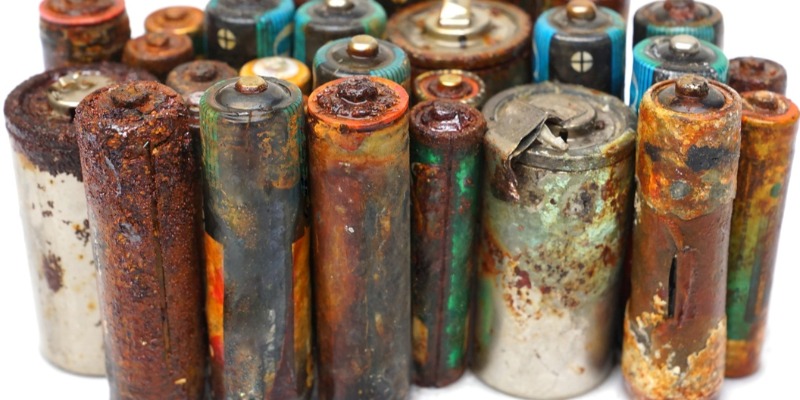
The methods of recycling electronic waste are archaic and create a very high rate of pollution due to the dispersion into the ground of battery acids, the sewage resulting from the incineration of the plastic cables that wrap the copper strands, the pollution of air due to these fumes which, day after day, darken the skies in which the workers' families live.
But what is inside a mobile phone?
– ABS 30%
– Copper 15%
– 8% epoxy resins
– Iron 3%
– Silicone 10%
– Ceramic 16%
– Other 18%
The poor populations who live in this underground economy suffer from an increase in tumors, a high level of lead in the blood, and the poisoning of crops due to land now compromised by chemical agents released daily.
Controls by the authorities in many cases are non-existent as the poverty of some areas of our planet seems to justify a corrupt and poisonous economy, where immediate survival is the priority compared to the medium-term effects of pollution on people and on society. environment they live in.
The theory of being able to "eat today" would seem to be a placebo for all evils, without considering that the techniques and systems for correct recycling of e-waste evidently exist but the market prefers to profit from a lower recycling price on the backs of poor people, without further prospects and above all silent.
Category: news - plastic - circular economy - e-waste - WEEE - electronic waste