- Origins of the Waste Art Movement
- Academic and Cultural Recognition of Art with Waste
- Topics and Messages
- Classification and Critical Reception
- A New Canon?
- Market and Economic Value of Art with Waste
- Concluding Reflections
Exploring the Art from Waste Movement: Impact, Artists and the Market
Art made from waste materials has its roots in the context of the artistic avant-garde of the 20th century, when artists such as Marcel Duchamp introduced the use of everyday objects, ready-mades, into their works, challenging traditional definitions of what could be considered art.
However, the specific adoption of waste and discarded materials as the primary medium for artistic creation began to gain traction in the 1960s and 1970s, alongside the emergence of environmental and sustainable consumption movements.
In this period, waste art emerged not only as an aesthetic expression but also as social criticism and political commentary. Artists such as Robert Rauschenberg and Tony Cragg have used waste and urban debris to create their works, exploring themes of overproduction, consumerism and the transformation of waste into a resource.
Evolution over Time
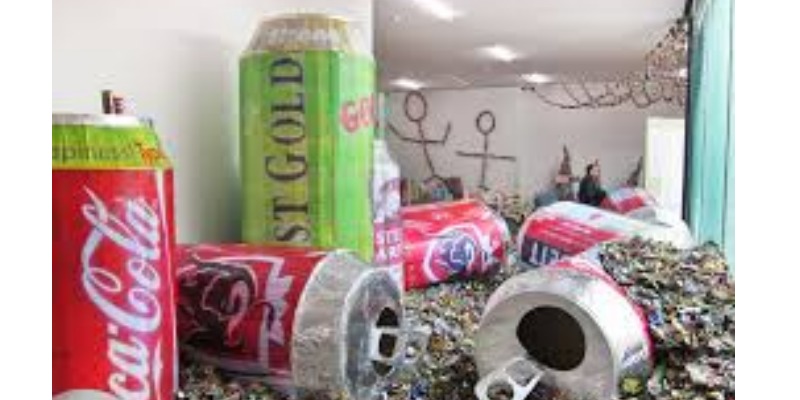
Over the next few decades, waste art continued to evolve, with artists experimenting with a wide range of discarded materials, from household waste to industrial debris to natural materials considered "waste" in a specific context. The practice has expanded to include a variety of techniques and media, from assemblage to sculpture, installation to collage, reflecting a growing global concern with environmental issues and sustainability.
In the 2000s, waste art gained further visibility and recognition, with artists such as El Anatsui and Vik Muniz reaching international audiences through exhibitions in prestigious museums and galleries. This period has also seen an increase in collaboration between artists and local communities, with projects that not only physically transform waste into art, but also seek to engage and raise public awareness of issues of waste management and environmental conservation.
Academic and Cultural Recognition
The academic and cultural reception of waste art has varied over time, with some critics and institutions initially hesitant to recognize it as a legitimate art form. However, with increasing environmental awareness and growing appreciation for artistic practices that challenge traditional boundaries, art from waste has gained a respected place in the contemporary artistic dialogue.
Universities and art schools have begun to include waste art in their curricula, recognizing it as an important vehicle for exploring and discussing issues of sustainability, ethics of consumption and the role of art in society. Museums and galleries around the world regularly host exhibitions dedicated to this art form, marking its consolidation as an influential and relevant movement.
Artists and Key Works
This chapter focuses on the protagonists of the waste art movement, examining the artists who have marked the contemporary artistic panorama with their works. Through the analysis of their creations, the materials used, the techniques adopted and the messages they intend to convey are highlighted, underlining the uniqueness and importance of each artist in the context of the movement.
European Artists and Works
Michelangelo Pistoletto: One of the pioneers of Arte Povera, Pistoletto used waste materials and everyday objects to reflect on the relationship between art and life. His "Venus of the Rags" combine classical statues with mountains of rags, symbolizing the confrontation between the ideal of beauty and the rejection of consumer society.
Thomas Hirschhorn: Known for his immersive installations created from ephemeral and waste materials, such as cardboard, tape and plastic. The work "Bataille Monument" transformed public spaces into areas of social dialogue, using waste to question issues of consumption, poverty and community.
Artists and Works from the Americas
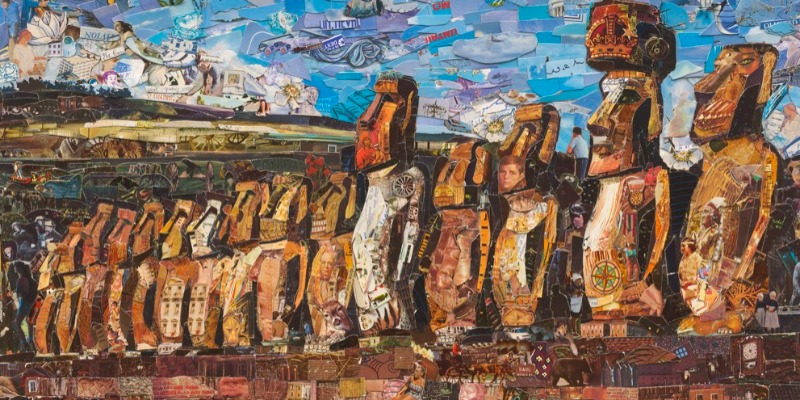
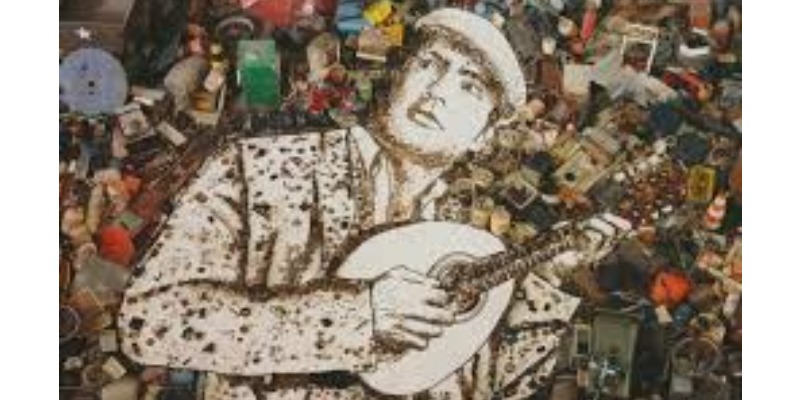
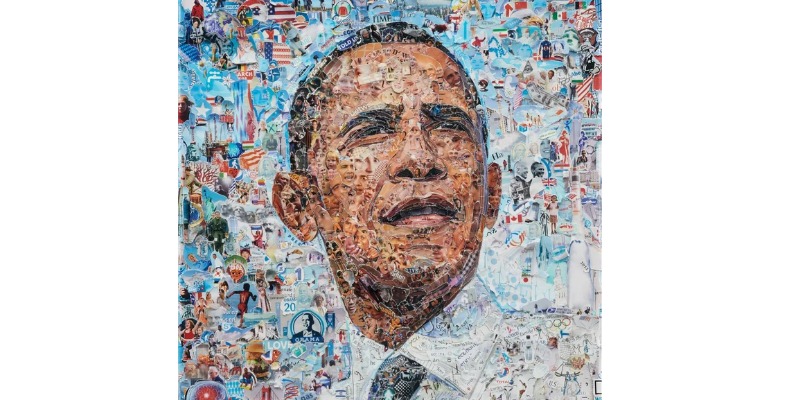
Vik Muniz: The Brazilian artist gained international fame with the "Pictures of Garbage" series, where he collaborated with the catadores (recyclable material collectors) of one of the largest open-air landfills in the world, in Rio de Janeiro, creating great portraits using collected waste. These works question the nature of artistic and social value, literally transforming waste into beauty and dignity.
Mierle Laderman Ukeles: An American artist associated with the art maintenance movement, she has dedicated her career to challenging notions of service work, art, and the value of waste. Her performance “Touch Sanitation” involved personally greeting every sanitation worker in New York, emphasizing the humanity and importance of work considered “invisible.”
Artists and Works from Asia and other regions
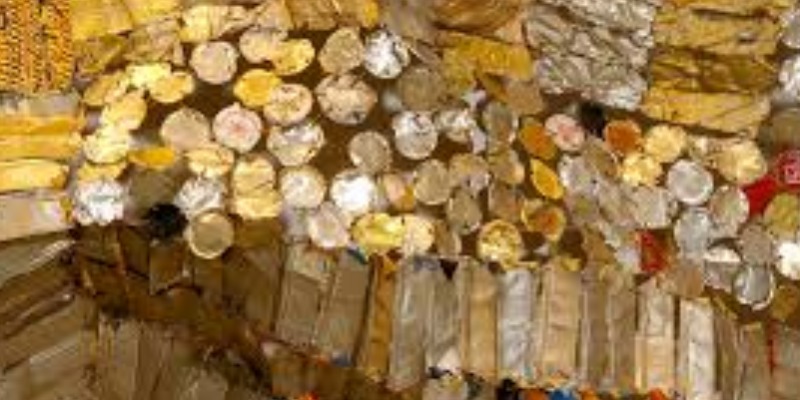
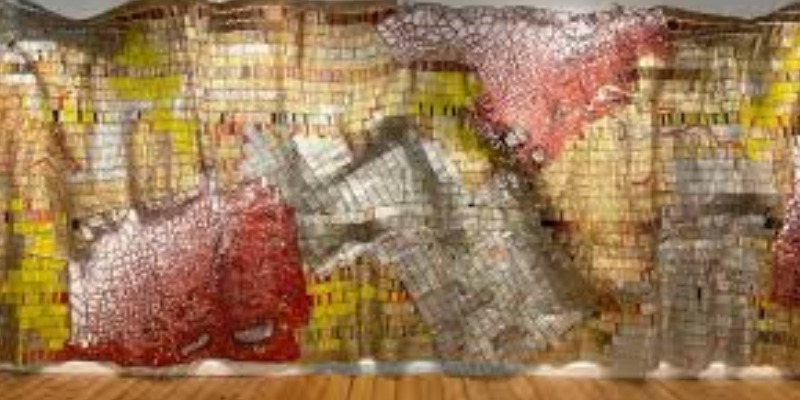
El Anatsui: The Ghanaian artist is known for his flexible sculptures made from thousands of recycled metal bottle caps, linked together to create vast drapery reminiscent of traditional African fabrics. His works, such as “Black River,” explore themes of consumption, cultural exchange, and the beauty found in overlooked materials.
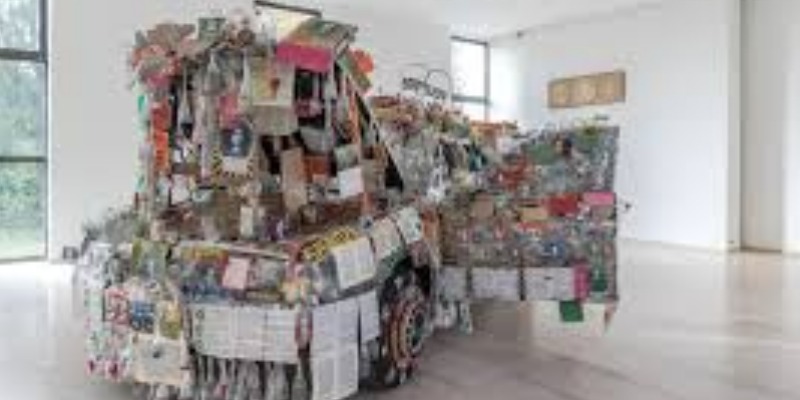
Song Dong: This Chinese artist uses a variety of discarded materials in his installations to explore the transience of life and the emotional value of everyday objects. “Waste Not” is a moving work that features household objects accumulated by the artist's family over decades, reflecting on loss, memory and consumerism.
Analysis of Significant Works
Each selected artist represents a unique approach to using waste materials, demonstrating the versatility and depth of the waste art movement. Through their works, these artists not only physically transform materials but recode the meaning and value attributed to waste, inviting critical reflection on consumption practices and ecological responsibilities.
The techniques vary from sculpture to installation, from collage to performance, highlighting the richness and diversity of the movement. Materials, once considered useless, take on new lives as elements of works of art, challenging conventional perceptions of beauty and value.
The messages conveyed through these works are powerful and multiple, ranging from criticism of unbridled consumerism and environmental indifference, to the celebration of human resilience and the capacity for reinvention and regeneration. These artists remind us that art has the power to transform not only materials but also perspectives, calling for greater awareness and responsibility towards our planet and our communities.
Topics and Messages
Art created from discarded materials is not just a manifestation of creativity and ingenuity; it is also a powerful form of communication that conveys profound messages regarding the environment, consumerism, sustainability and transformation. This chapter explores the themes and messages inherent in waste art, analyzing how artists use discarded materials to reflect on global issues and inspire change in audiences.
Environmentalism and Sustainability
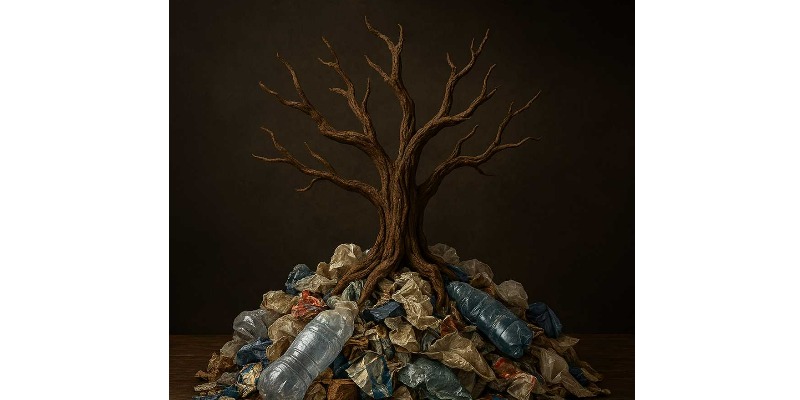
One of the most obvious themes in waste art is environmentalism. Artists working with discarded materials often seek to highlight the environmental impact of rampant consumerism and waste production. Works incorporating single-use plastics, obsolete electronics, and other industrial waste serve as critical commentary on the “throwaway” culture and accumulation of debris that threatens natural ecosystems.
Criticism of Consumerism
Many waste art artists aim to directly challenge the norms of consumerism, highlighting the brevity of the useful life of many products and the incessant cycle of consumption and waste.
Through the transformation of waste into art, these artists propose a reflection on the value of objects, inviting us to consider more conscious and sustainable consumption practices.Rebirth and Transformation
A powerful message conveyed through waste art is that of transformation and rebirth. The artists demonstrate how materials considered useless or harmful can be transformed into something beautiful and meaningful. This theme not only serves to inspire a new appreciation for discarded materials, but also serves as a metaphor for the possibility of change and renewal in society and the individual.
Social and Environmental Message
Waste art often incorporates a strong social and environmental message, inciting reflection on how individual and collective practices influence the environment. Through exploring topics such as waste management, pollution and resource conservation, the artists aim to stimulate active dialogue about the ways in which we can contribute to a more sustainable future.
Initial Reflections
This chapter highlights the importance of waste art as a vehicle for social criticism and environmental awareness. Through the use of discarded materials, the artists not only question the norms of consumerism and waste accumulation, but also offer a vision of hope and change, demonstrating the transformative potential inherent in the humblest materials.
Waste art, therefore, emerges as a practice deeply rooted in contemporary issues, challenging viewers to reflect on their own environmental impact and consider alternative routes towards a more sustainable future.
Classification and Critical Reception
The growing prevalence of waste art in the contemporary art landscape raises interesting questions about its classification and reception by critics and the public. This chapter examines the positioning of waste art within existing art categories and considers the various responses it has elicited in the art world.
Art from Waste as Modern or Contemporary Art
Determining whether waste art should be classified as modern art, contemporary art, or a movement in its own right is a complex task. The use of waste materials as an artistic medium challenges traditional definitions of art, proposing a new narrative in contemporary art. Although it shares affinities with some modern and contemporary art practices, such as conceptual art and assemblage, waste art is often distinguished by its strong ethical and environmental commitment.
Critical Reception and Positioning in the Artistic Panorama
Critical reception of waste art has been varied, oscillating between admiration for its innovation and ingenuity and debate over its legitimacy as an art form. Critics often focus on the environmental and social message conveyed through waste materials, praising these artists' ability to raise awareness and provoke public debate on pressing issues.
However, some critics have raised questions about the longevity and conservation of these works, given the degradable and transitory nature of the materials used. These concerns highlight the tension between the aesthetic and thematic value of waste art and traditional conservation practices.
A New Canon?
As waste art continues to gain traction, some propose that it deserves to be considered a separate art category, given its uniqueness and impact. This perspective suggests that art from waste not only represents a challenge to artistic conventions, but also offers a critical vision of social and environmental practices, worthy of recognition and specific study.
Creating a new canon for waste art could facilitate further discussion and research into this movement, promoting greater understanding and appreciation of its unique qualities and potential to positively impact society.
Initial Reflections
The classification and reception of waste art reflect the challenges and opportunities of this innovative artistic practice. While navigating between admiration and criticism, art from rejection prompts ongoing reflection on the role of art in society and the responsibilities of artists and the public towards the environment. His ability to connect aesthetics, ethics and action offers a fertile field for future explorations, both within and outside traditional artistic categories.
Market and Economic Value
The final chapter of this thesis explores the market and economic value of waste art, a topic that reveals as much about the social and cultural recognition of this art as it does about its financial sustainability. By analyzing how works created from discarded materials are valued, sold and collected, we can gain a more complete view of the role that waste art plays in the contemporary art landscape.
Market Analysis
In recent years, the waste art market has seen significant growth, with an increasing number of collectors and galleries interested in these works. This interest is often fueled by the growing awareness of environmental issues and the search for art that expresses a social or political commitment. Exhibitions dedicated to this art form, both in private galleries and public institutions, have contributed to increasing its visibility and attractiveness on the market.
Examples of Approximate Values
The value of waste artworks can vary widely depending on the artist, the complexity of the work and the message it conveys. Some artists, such as Vik Muniz or El Anatsui, have seen their works reach significant prices at auctions and private sales. For example, El Anatsui's works can exceed one hundred thousand dollars, reflecting his international recognition and the critical importance of his work.
However, the value of this art does not lie exclusively in its economic value. The social, environmental and cultural significance of the works contributes an intrinsic value that transcends market price, making them important to collectors and institutions seeking to support and promote art with a strong and transformative message.
Factors That Influence the Price
Several factors influence the market value of waste art, including:
Artist Recognition: Artists with a solid reputation and an established presence in the art scene tend to command higher prices.
Uniqueness and Complexity of the Work: Works that demonstrate a high level of ingenuity and originality in the treatment of discarded materials are particularly appreciated.
Message and Social Impact: Works that communicate a powerful message and stimulate reflection on environmental or social issues may generate greater interest.
Concluding Reflections
The waste art market reflects a growing recognition of the value of art as a means to explore and address critical issues of our time. While the economic value of works can be an indicator of success and acceptance within the art market, it is important to remember that waste art transcends its commercial value, offering unique perspectives on how we can reconcile with our environment and our consumption practices.
Waste art, therefore, represents not only a significant artistic movement but also a catalyst for social and environmental change, inviting artists, collectors and viewers to reconsider the value and potential of discarded materials.