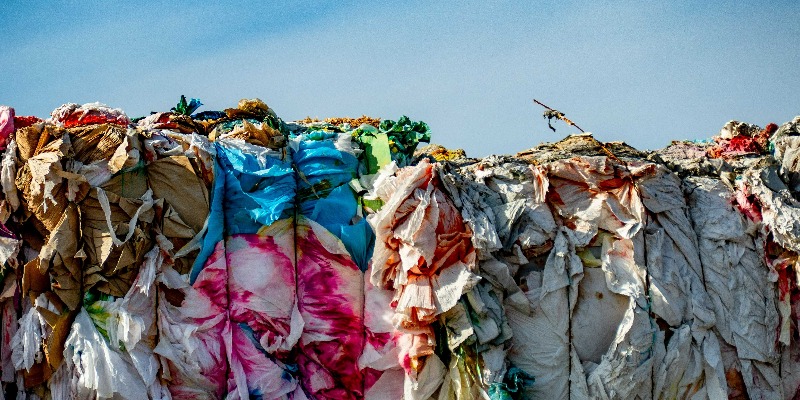
In this article, we will analyze the life cycle of cotton, the benefits of its recycling and the difficulties that limit its effectiveness, as well as explore the most promising strategies to improve the recovery and reuse of this precious fiber.
- Cotton Recycling: A Step Towards Textile Sustainability
- Environmental Impact of Cotton Production and the Need for Recycling
- How Cotton Recycling Reduces Natural Resource Consumption
- Economic Opportunities of Textile Recycling: A Growing Sector
- The Difficulties of Cotton Recycling: Technological and Structural Challenges
- Improving Cotton Recycling: Technological Solutions and Innovations
- The Role of Consumers and Companies in the Circular Transition
- Future of Cotton Recycling: Strategies for a Sustainable Textile Industry
Discover How Cotton Textile Waste Recycling Can Reduce Environmental Impact, Create Economic Opportunities, and Transform the Fashion Industry into a More Sustainable Model
By Marco Arezio
The recycling of cotton textile waste is becoming increasingly central in the transition towards a sustainable production model. The fashion industry, one of the most environmentally impactful sectors, generates millions of tons of textile waste each year, much of which ends up in landfills or is incinerated. This has serious consequences in terms of greenhouse gas emissions and the depletion of natural resources.
Cotton cultivation is notoriously one of the most resource-intensive processes, requiring large amounts of water and pesticides, which further aggravates its ecological impact. For these reasons, cotton recycling presents itself as a promising solution, capable of reducing material waste and limiting the use of primary resources. However, the recycling process still faces several challenges, both technological and economic, which hinder its large-scale adoption.
This article will analyze the life cycle of cotton, the advantages of its recycling, and the difficulties that limit its effectiveness, as well as explore the most promising strategies to improve the recovery and reuse of this valuable fiber.
The Life Cycle of Cotton and the Generation of Textile Waste
Cotton is one of the most widely used natural fibers in the textile industry, appreciated for its softness, breathability, and durability. However, its cultivation has a high environmental impact: producing just one kilogram of cotton can require up to 10,000 liters of water, along with significant amounts of pesticides and fertilizers that damage soil and water resources.
At the same time, global consumption of textile products continues to grow, contributing to the accumulation of waste that is difficult to manage. Most discarded garments end up in landfills, while only a small percentage is recovered through recycling or donation. This inefficiency in textile waste management represents a crucial challenge for the circular economy.
The Benefits of Cotton Recycling
Cotton recycling offers numerous advantages, both from an environmental and economic perspective. First and foremost, it significantly reduces the consumption of natural resources, limiting the need for new cotton cultivation. Using recycled cotton helps cut down on water usage and chemical substances, mitigating the negative effects of the textile industry on ecosystems.
From an economic standpoint, cotton recycling opens up new business opportunities. The growing consumer awareness of sustainability has driven many companies to invest in recycled materials and develop new production models based on textile recovery. Sustainable fashion brands are implementing circular economy strategies, such as producing garments made entirely from regenerated fibers, thereby reducing waste.
Additionally, the textile recycling sector can generate new jobs, particularly in the areas of collection, sorting, and processing of textile waste. The adoption of advanced fiber treatment technologies can help make recycling more efficient and profitable, supporting the growth of a sustainable economy.
Challenges in Cotton Recycling
Despite its numerous benefits, cotton recycling still faces several challenges that limit its large-scale implementation.
One of the main issues is the quality of recycled fibers: the mechanical recycling process, currently the most widely used, breaks down the fabric into shorter and weaker fibers, reducing their strength and durability. To overcome this problem, recycled cotton is often blended with virgin fibers, which reduces the overall sustainability of the process.Another challenge concerns the composition of garments. Many clothing items are not made entirely of cotton but contain synthetic fiber blends such as polyester or elastane. This makes fiber separation and subsequent recycling more complex. Chemical recycling technologies, which allow the recovery of cellulose from cotton, represent a promising solution, but they are still costly and not yet widely developed for large-scale adoption.
From an economic perspective, cotton recycling requires significant investments, both for the creation of an efficient collection and sorting system and for the adoption of advanced technologies. Additionally, the lack of clear international standards for certifying recycled products poses another obstacle to the widespread adoption of regenerated cotton.
Finally, consumer awareness plays a crucial role. Despite the growing interest in sustainable fashion, many consumers are still unwilling to pay a premium for products made from recycled materials. This limits demand and slows the transition toward a more sustainable textile system.
Strategies to Improve Cotton Recycling
To make cotton recycling more efficient and accessible, an integrated approach involving businesses, institutions, and consumers is essential. The most effective strategies include:
- Investing in new technologies: Developing more advanced chemical and mechanical recycling processes that preserve the quality of recycled fibers and reduce production costs.
- Improving collection and sorting systems: Creating adequate infrastructure for the recovery of textile waste, promoting the reuse and recycling of discarded garments.
- Promoting economic incentives: Providing tax benefits and subsidies to companies that invest in textile recycling, encouraging the adoption of sustainable practices.
- Raising consumer awareness: Educating the public on the benefits of textile recycling and encouraging responsible consumption behaviors, such as purchasing garments made from regenerated cotton and opting for repair or reuse options.
Conclusion
Cotton recycling is one of the most effective solutions to reduce the environmental impact of the textile industry and promote a more sustainable production model. However, for recycling to become widespread, technological and economic challenges must be addressed through targeted investments and innovative strategies.
Only through a joint effort between businesses, institutions, and consumers can cotton recycling become a concrete reality, capable of combining environmental sustainability with economic growth. The transition toward a circular textile system is a complex challenge but also a great opportunity to build a more responsible future that preserves the planet’s resources.
© Reproduction Prohibited