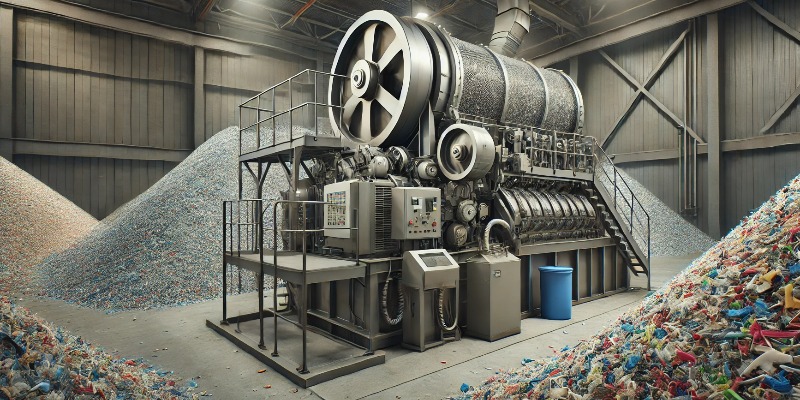





- Introduction to buying a used plastics mill
- Assess your operational needs
- In-depth analysis of technical conditions
- Check of the fundamental components and safety
- How to determine the right market price
- Strategies for a profitable negotiation
- Transport and installation planning
- Conclusions and recommendations for an informed purchase
A Conscious Approach to Choosing a Used Grinder Mill for Plastics
by Marco Arezio
Purchasing a used grinder mill for plastic processing represents a strategic decision to optimize costs and enhance the efficiency of your recycling operations. While this option can offer numerous advantages, it is essential to approach the process with adequate preparation. A rushed decision could lead to operational issues or unforeseen expenses. This guide aims to provide all the necessary information to carefully evaluate the various technical and commercial aspects, enabling an informed and satisfactory purchase.
Understanding Your Needs
To begin, it is crucial to have a clear understanding of how the mill will be used. The choice of model will primarily depend on the type of materials you plan to process: for instance, rigid polymers like polypropylene (PP) or acrylonitrile-butadiene-styrene (ABS), or flexible materials like plastic films. Each material type has specific processing requirements.
Equally important is assessing the required production volume, considering both current and future needs, to avoid purchasing an undersized or oversized machine. Additionally, evaluating the characteristics of the available space is essential: for example, the mill's dimensions, the plant layout, and the availability of adequate electrical power. With this information in hand, you can identify the model that best suits your operational needs.
Checking Technical Conditions
Before making a purchase, it is vital to thoroughly examine the machine's mechanical and operational components. The blades and rotors should be in good condition; excessive wear or uneven sharpening might indicate intensive use or neglected maintenance, resulting in high replacement costs. The frame and structure should be solid, free from corrosion, cracks, or deformations, as structural damage could compromise the mill's safety and stability during use.
Another aspect to carefully inspect is the condition of the bearings and drive shafts, which should be well-lubricated and free from abnormal play. These elements are crucial for ensuring smooth and long-lasting operation. Ensure the presence of cooling and ventilation systems, which maintain the machine's thermal stability and prevent overheating.
The motor is a central component: it must be adequately sized for the type of material being processed and operate without anomalies or unusual noises. Finally, the electronic components, such as the control panel, sensors, and electrical cables, must be in perfect condition and compliant with current regulations to avoid malfunctions or short circuits.
Assessing the grinding capacity is also important. Requesting a practical demonstration can help evaluate the machine's actual performance. Additionally, verifying the presence of safety systems like emergency buttons and automatic switches is crucial to ensure safe use.
Determining the Right Price
The value of a used mill depends on several factors.
The year of manufacture is relevant: newer machines may offer advanced technologies but come at a higher price. The brand and model also play an important role: renowned brands like Pallmann or Zerma tend to maintain higher value.The price can also be influenced by the machine's overall condition and the presence of accessories, such as extra blade sets or acoustic silencers. Conducting market research and comparing prices and models on specialized platforms can provide a clear idea of the average cost. Additionally, calculating the return on investment is useful, considering the time required to recover the expense through production gains.
Conducting Effective Negotiations
Effective negotiation begins with in-depth dialogue with the seller. Asking why the machine is being sold can provide valuable insights into its general condition and past use. For instance, a machine sold due to technological upgrades might be in excellent condition, whereas one sold due to frequent breakdowns might indicate structural or maintenance issues.
It is also important to discuss the inclusion of spare parts or accessories in the offer. Accessories like additional blade sets, acoustic silencers, or suction systems can significantly influence the purchase value and simplify future operations.
During this phase, ensuring maximum clarity is essential to avoid misunderstandings or unexpected additional costs. Verifying the available documentation, such as technical manuals, CE certifications, and maintenance records, is crucial for understanding the machine's history and ensuring regulatory compliance.
Agreeing on a trial period or post-purchase warranty can provide additional peace of mind. To ensure further security, you might include a contractual clause making full payment contingent on the successful completion of the trial period. For instance, an initial deposit could be paid upfront, while the balance would be settled only after verifying that the machine operates correctly and meets the declared specifications.
Preparing for Transport and Installation
Transporting a mill requires attention. Weight and dimensions need to be verified to arrange suitable shipping. Upon receipt, the machine must be installed by qualified technicians, adhering to safety regulations. Before starting operations, conducting a test run with the intended material ensures that everything functions properly.
Conclusion
Purchasing a used grinder mill is a strategic decision requiring careful attention and evaluation. By following these guidelines, you can choose a reliable machine that meets your production needs, contributing to the success of your business in the plastics recycling sector.
© All Rights Reserved