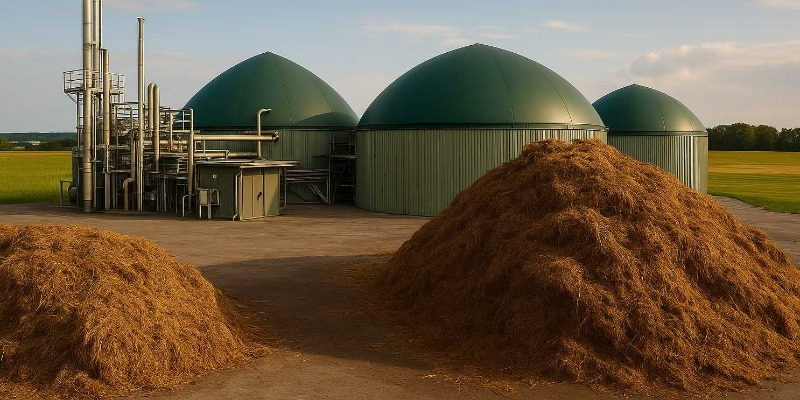





- Introduction to the Poznań waste-to-energy plant: a sustainable solution
- Waste-to-energy process: transforming waste into energy
- Advanced technologies for fume treatment and emission reduction
- Energy and heat recovery: a highly efficient system
- By-product management: from ashes to building materials
- Environmental benefits: reduction of CO₂ emissions and local valorisation
- The economic model: sustainability and territorial advantages
- Replicability of the project: a future for the European circular economy
An Innovative Waste Management Facility: Energy, Heat, and Sustainability as Integrated Goals
By Marco Arezio
The Poznań waste-to-energy plant stands as an example of a high-performance facility designed to recover value from non-recyclable waste through energy production. Thanks to the use of advanced technologies, the plant employs an optimized combustion cycle in which municipal solid waste is converted into thermal and electrical energy, achieving efficiency levels that surpass those of traditional plants.
The facility uses a steam turbine system combined with heat exchange technologies to simultaneously produce electricity and heat. This configuration makes it possible to attain remarkably high overall energy efficiency, sufficient to supply electricity to 20,000 households and provide heat for another 60,000 units. Moreover, the heat is distributed through a district heating system, improving local energy utilization.
Emission Control Technologies
The technological core of the plant lies in its flue gas treatment systems, designed to eliminate over 99% of harmful emissions. The plant is equipped with bag filters, scrubbers, and a chemical reagent injection system to neutralize dangerous compounds such as nitrogen oxides (NOx), sulfur dioxide (SO₂), and heavy metals. This approach not only ensures compliance with the strictest European regulations but also minimizes the environmental impact of the combustion process.
One noteworthy technical element is the two-stage exhaust gas treatment system. In the first stage, gases pass through a chemical reaction that captures and neutralizes volatile particles; in the second stage, the residual substances are further purified using an activated carbon filtration system. This process ensures that fine particulate emissions remain below 5 mg/Nm³, well under the legal limits.
Circular Economy and Residue Utilization
Another key technical aspect of the Poznań plant is the management of combustion by-products.
The bottom ash resulting from the combustion process is employed as aggregate in the construction industry, thereby reducing the need for landfill disposal. Additionally, the fly ash, once properly treated, can be used in the production of building materials.The plant operators have integrated a metals recovery system that separates iron and aluminum from the solid residues. This process not only further reduces waste but also allows valuable resources to be reclaimed for the industrial market, generating an additional economic stream.
Energy Efficiency and Local Sustainability
The plant’s modular design makes it possible to optimize operations according to seasonal load variations, ensuring stable performance and a continuous energy supply. By processing local waste, the facility avoids the long-distance transportation of materials, thereby cutting down on indirect CO₂ emissions associated with logistics.
The plant’s territorial impact is further mitigated by continuous monitoring of air and water quality, performed with next-generation sensors and real-time detection systems. This approach ensures transparency toward local communities and fosters social acceptance of the project.
A Reference Model for Europe
The Poznań waste-to-energy plant demonstrates that an integrated approach to waste management can yield both environmental and economic benefits. By reducing the total volume of waste by 70% and saving 215,000 tons of CO₂ annually, the facility exemplifies a modern infrastructure capable of meeting the region’s energy and environmental needs.
Similar projects could be implemented in other urban contexts, particularly in areas where traditional disposal systems have become unsustainable. With the large-scale adoption of similar technologies, it would be possible to accelerate the transition toward a fully functional and inclusive circular economy.
© Reproduction Prohibited
Generic image