








 Plastica Riciclata: Come Impiegare la Gas Cromatografia a Mobilità Ionica
 Plastica Riciclata: Come Impiegare la Gas Cromatografia a Mobilità Ionica per la ricerca analitica degli odoridi Marco ArezioCome abbiamo ampiamente descritto in altri articoli, i cui links li troverete nella parte finale di questo intervento, il mondo delle plastiche riciclate o da riciclare, specialmente quelle che provengono dalla raccolta differenziata, definite da post consumo, hanno il problema di gestire la componente odorosa che si instaura all’interno della materia prima riciclata. Odori che provengono dalla composizione eterogenea della plastica nella fase di raccolta, dai processi di fermentazione dei residui organici incorporati nelle plastiche da riciclare, dalle acque di lavaggio non gestite in maniera corretta, dalla degradazione in fase di estrusione dei granuli, di plastiche mischiate a quelle principali e di sostanze chimiche assorbite dai contenitori durante la loro funzione di imballo, come i tensioattivi per esempio. La produzione di granuli riciclati fatta senza il controllo chimico della materia in ingresso, del controllo delle acque e dei materiali estrusi per la vendita, è come guidare nella notte a fari spenti. L’impegno delle risorse aziendali per acquistare la materia prima da riciclare, i costi di trasformazione, i costi logistici e quelli di vendita, potrebbero essere messi a rischio dall’impossibilità di produrre una materia prima in plastica riciclata che soddisfi le aspettative del cliente finale in fatto di odori. Il controllo analitico degli odori nelle materie di ingresso ci permettere di selezionare i fornitori, dividerli per categorie e stilare ricette di produzione che tengano conto dell’impronta odorosa dei prodotti in entrata. Lo stesso controllo analitico verrà utilizzato per controllare il processo di produzione e la formulazione corrette di ricette, non solo dal punto di vista tecnico estetico, ma anche odorifero, per dare al cliente finale una qualità in più sempre più ricercata dal mercato. E, infine, il commerciale può serenamente proporre un granulo che ha una patente per l’odore, non opinabile o discutibile attraverso altri nasi, soprattutto da quelli che sono addetti all’acquisto del granulo prodotto, ma attraverso una certezza fornita da un’analisi chimica dei componenti odorosi presenti nel prodotto. Come funziona questa tecnologia da laboratorio? La tecnologia alla base della strumentazione di cui stiamo parlando è la GC IMS (Gas Cromatografia a mobilità ionica). Questa tecnologia si applica alle sostanze organiche volatili provenienti da uno spazio di testa statico generato in condizione standardizzate. Una colonna gas cromatografica permette il frazionamento preliminare delle sostanze volatili introdotte prima della entrata nel cuore dello strumento. Il cuore dello strumento è costituito da un tubo metallico di 9,8 cm al cui interno viene creato un campo elettrico di 5.000 Volt; le sostanze volatili provenienti dalla colonna cromatografica vengono ionizzate tramite una sorgente contenente trizio (una sostanza radioattiva a bassa intensità). Il processo di ionizzazione avviene a pressione ambiente e si basa sull’interazione fra l’acqua presente in tracce nel gas di azoto che fa da “carrier”: Il processo chimico-fisico di ionizzazione è tale per cui le sostanze volatili organiche come alcoli, aldeidi, chetoni, acidi carbossilici composti aromatici, ammine, tioli , composti alogenati , etc , vengono caricati elettricamente e rese quindi rilevabili dalla piastra di Faraday posta alla fine del tubo di volo. Le sostanze sopracitate sono quelle responsabili degli “odori “che vengono percepiti dall’ olfatto umano: va segnalata la “estrema sensibilità” del sistema di rilevazione che raggiunge il livello delle parti per miliardo (ppb). Il naso elettronico è quindi costituto da un rilevatore GC IMS, con accoppiato un autocampionatore che ha il compito di riscaldare i flaconi di vetro da 20 ml in cui si trovano le sostanze (liquide o solide) che sviluppano le sostanze volatili. La modalità di esecuzione delle analisi è estremamente semplice, dato che non vi è alcuna preparazione del prodotto da analizzare. Nel settore delle plastiche riciclate o da riciclare è veramente semplice preparare i campioni ed ottenere i tests. Il risultato analitico è costituito da un diagramma a tre dimensioni come una carta geografica delle montagne: la “carta geografica” indica il tempo di eluizione dalla colonna cromatografica, il tempo di volo e l’intensità del segnale di ogni singola sostanza organica volatile. Questa strumentazione permette quindi di confrontare in maniera “oggettiva“ delle plastiche riciclate che emettono delle sostanze organiche volatili percepibili all’ odorato.Categoria: notizie - tecnica - plastica - riciclo - gascromatografia a mobilità ionica - odori Links Utili:GRANULO IN PLASTICA RICICLATA DA POST CONSUMO CON CERTIFICAZIONE DELL’ODORE CONTROLLO ANALITICO DEGLI ODORI NEL SETTORE DEL RICICLO ODORI NEI POLIMERI RICICLATI: COME AFFRONTARE IL PROBLEMA? ODORI NELLA PLASTICA: CONTROLLARE LA FILIERA PER EVITARE CONTESTAZIONIINFO SULLA MACCHINA
SCOPRI DI PIU' Odori nei polimeri riciclati: come affrontare il problema?
La valorizzazione dei polimeri riciclati passa anche attraverso la soluzione del problema degli odoridi Marco ArezioIn un’ottica di economia circolare i polimeri riciclati che provengono dal post consumo, quindi dalla raccolta differenziata domestica, devono essere valorizzati riuscendo a risolvere anche il problema degli odori. La necessità di utilizzare maggiormente i polimeri riciclati che provengono dal post consumo è ormai diventata una questione primaria per il riciclo delle materie plastiche. Come riportato nell’articolo apparso sul portale della plastica e dell’economia circolare rMIX è necessario che si verifichino due condizioni fondamentali: Rimodulazione delle aspettative estetiche dei prodotti finiti fatti in plastica riciclata Riduzione o cancellazione degli odori che i prodotti fatti con l’input da post consumo portano con se dopo la produzione.Nel primo caso è importante poter produrre più prodotti con plastiche riciclate, specialmente quelli oggi realizzati con plastiche vergini solo per questioni estetiche che si potrebbero definire trascurabili, aumentando così il consumo di rifiuti plastici. Nel secondo caso, il problema dell’odore, condiziona ancora fortemente gli acquisti di granuli riciclati, specialmente in quei paesi dove è meno sentita la problematica della difesa ambientale. Se vogliamo fare un esempio, un flacone del detersivo prodotto con un HDPE riciclato, mantiene dopo la produzione una quota di odore (profumo?) di detersivo che proviene dalla lavorazione dei flaconi della raccolta differenziata, in cui le fragranze dei liquidi contenuti precedentemente rimangono anche dopo il lavaggio. Come vedete non è un problema invalidante per chi dovrà riempire nuovamente il flacone riciclato con liquidi profumati, ma è, ed è stato sempre un tema discusso dagli acquirenti di polimero. Sebbene le cose da questo punto di vista stiano lentamente cambiando, dove si trovano maggiori complicazioni sono quei prodotti fatti con PP o PP/PE o LDPE la cui materia prima ha contenuto residui alimentari, detergenti, cosmetici o dove il processo di rigenerazione presenza delle criticità. I fattori che contribuiscono maggiormente alla creazione degli odori sono rappresentati da: Residui alimentari, che creano processi microbiologici Residui di cosmetici che presentano difficoltà di pulizia durante il lavaggio Tensioattivi che vengono inglobati nelle plastiche Contaminazioni nelle acque di lavaggio del rifiuto plastico Contaminazioni causate dalla degradazione dei polimeri in fase di produzione dei granuli. Ad oggi una soluzione piena e definitiva del problema, da applicare nella produzione su larga scala dei polimeri riciclati, sembra non esserci ancora, infatti, si stanno percorrendo varie strade per cercare di mitigare e, in un futuro risolvere la presenza di questi odori. Copertura degli odori Esistono sul mercato numerosi prodotti, sotto forma di masterbach, che si utilizzano in fase di estrusione o iniezione dei prodotti, contenenti varie fragranze che aiutano a mitigare un odore pungente come può essere quello di alcune produzioni di polimeri. Le fragranze sono numerose: vaniglia, pino, fragola, arancia, limone, lavanda e tante altre. Processi Meccanici Esistono impianti di produzione dei granuli riciclati che, durante la lavorazione degli scarti plastici e della produzione del granulo stesso, riducono in modo sostanziale le fonti che generano gli odori sgradevoli. Questi impianti si basano su una tripla combinazione tra filtrazione, degasaggio e aspirazione delle parti volatili in modo da migliorare il problema. Ricerca scientifica Nello stesso tempo la ricerca sta facendo passi avanti per cercare di individuare, in modo scientifico ed inequivocabile la fonte degli odori dei composti provenienti dalla raccolta differenziata. L’istituto tedesco Fraunhofer Institute for Process and Engineering and Packaging (IVV) sta studiando come migliorare i processi di riciclo dei rifiuti da post consumo. Il lavoro si concentra, con un approccio olfattometrico e analitico, allo studio e la catalogazione degli odori presenti nelle plastiche post consumo, valutandone l’intensità e la provenienza, identificando i materiali che li producono attraverso un’analisi chimica. I dati raccolti da queste catalogazioni scientifiche aiuteranno i ricercatori a trovare processi adatti alla soluzione dei problemi causati dal decadimento microbiologico, dall’invecchiamento della plastica, dai risultati chimici dei processi termici e dai residui delle lavorazioni meccaniche della plastica che causano odori sgradevoli.Controllo analitico degli odori in laboratorioOggi abbiamo comunque la possibilità, attraverso una strumentazione di laboratorio, che unisce l'attività di un gascromatografo (GC) e uno spettrometro a mobilità ionica (IMS) di avere un quadro preciso sull'intensità e sulla natura degli odori che provengono dal rifiuto da riciclare o dalla scaglia o granulo prodotti dalle plastiche post consumo. Questo strumento ci aiuta ad individuare i componenti molesti dal punto di vista odoroso nei rifiuti in ingresso, ma anche sulla materia prima prodotta o sui prodotti finali realizzati con la plastica riciclata, così da stabilire azioni correttive o, con il cliente, un range analitico e non opinabile, del livello odori nei prodotti ed accettato dalle parti.Categoria: notizie - tecnica - plastica - riciclo - odori - post consumo
SCOPRI DI PIU'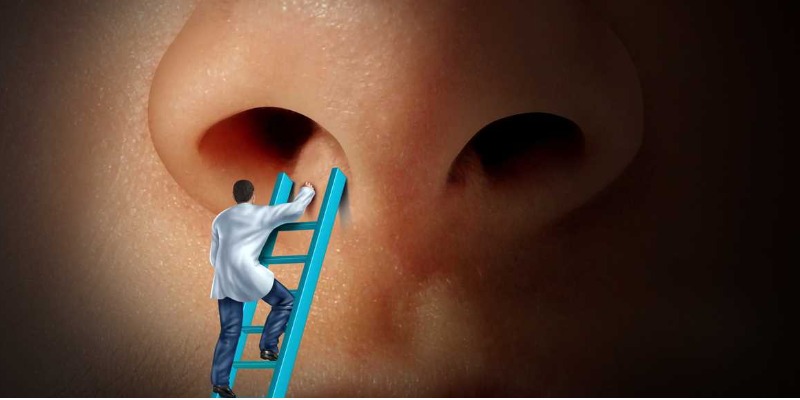 Granulo in Plastica Riciclata da Post Consumo con Certificazione dell’Odore
I Prodotti in Plastica Riciclata Puzzano? Si, No, Forse, un Po', Ogni Tanto, Spesso…in questo campo vige l’incertezzadi Marco ArezioLa plastica riciclata da post consumo sta entrando in modo sempre più nelle produzioni degli oggetti che quotidianamente utilizziamo e che troviamo sugli scaffali dei negozi, nelle catene distributive di mobili od oggetti per la casa, negli interni delle nostre auto e in molti prodotti che maneggiamo ogni giorno. Non sempre l’uso della plastica da post consumo è stata una scelta volontaria da parte dei produttori di articoli in plastica, in quanto la sua provenienza dalla raccolta differenziata, porta con sé delle problematiche odorose che, se non gestite bene, possono compromettere i prodotti finali creando fastidi ai clienti. Ma la necessità impellente di riutilizzare la quantità più alta possibile di plastica riciclata nelle produzioni di articoli, al fine di ridurre i rifiuti, ha imposto un nuovo modo di vedere le miscele per fare i prodotti plastici. Le grandi catene distributive di articoli per la casa, per esempio, si sono indirizzati alla produzione dei loro articoli con una percentuale di plastica riciclata da post consumo, ma impongono che la materia prima non porti con sé odori molesti. La verifica dell’accettabilità o meno della materia prima viene fatta, normalmente con un sistema di tests compiuti da persone che mettono a diposizione il loro naso per avvallare gli acquisti della materia prima e la messa in commercio dei prodotti. Normalmente sono valutazioni empiriche, soggettive e personali che lasciano ampi spazi di discussione su ciò che è un odore molesto e quello che può essere una fragranza. Tra il produttore di materia prima e il distributore di prodotti per la casa vige una costante incertezza tra cosa sarà vendibile in termini di materia prima e cosa sarà acquistabile dal cliente finale se l’odore dovesse essere percepito in modo diverso rispetto ai testers. E’ necessario, quindi, stabilire in modo scientifico ed analitico i gradienti degli odori e la loro provenienza chimica per stabilire, tra le parti, un range che tuteli sia la produzione ma anche la vendita finale dei prodotti per la casa. Oggi la tecnologia ci viene incontro attraverso una macchina da laboratorio che intercetta, in modo analitico, le sostanze odorose dei campioni liquidi, solidi o in polvere, restituendo una valutazione esatta dei componenti chimici presenti e delle loro quantità, confrontati con un archivio di 80.000 sostanze odorose. Il sistema di controllo è utile al produttore di materia prima, non solo alla fine del processo, attraverso l’analisi tecnica dei livelli odorosi dei granuli plastici che andrà a vendere, ma sarà molto utile anche per analizzare la materia prima d’ingresso, per classificare in modo esatto il suo comportamento nelle successive ricette. Il conoscere in modo certo l’apporto odoroso del rifiuto o del semilavorato in entrata, permette di gestire in modo più semplice le ricette che porteranno alla produzione di un granulo con i gradienti odorosi stabiliti. L’utilità della macchina è tangibile anche per chi acquista la materia prima e la trasforma in prodotti finali, in quanto ha la certezza di immettere nel circuito un granulo certificato dal punto dell’odore e può realizzare un controllo di qualità, dal punto di vista dell’impatto odoroso, sui prodotti che andrà a proporre al pubblico. Categoria: notizie - tecnica - plastica - riciclo - post consumo - certificazione odoriVedi maggiori informazioni sul riciclo
SCOPRI DI PIU' LDPE Riciclato da Post Consumo: 60 Tipologie di Odori Ostacolano la Vendita
LDPE Riciclato da Post Consumo: 60 Tipologie di Odori Ostacolano la Venditadi Marco ArezioLa raccolta differenziata degli imballi della plastica, specialmente per quelli in LDPE, è una conquista moderna che permette, attraverso il riciclo, il riutilizzo degli imballi esausti con il duplice vantaggio di ridurre l’impronta carbonica e il prelievo di risorse naturali dalla terra per creare nuovi prodotti. Molto si deve ancora fare però nel settore del riciclo in quanto la quota di plastica che viene raccolta e riutilizzata è ancora largamente inferiore a quella che viene prodotta ogni giorno. Questo scompenso quantitativo tra quanto si ricicla e quanto si produce di nuovo ha molte cause: • Limitata diffusione della raccolta differenziata nel mondo • Difficoltà nel riciclo di molti imballi plastici multistrato • Bassa qualità della materia prima riciclata • Mancanza di una cultura del riciclo Nei paesi dove la raccolta differenziata è avviata e funziona stabilmente, la produzione di materia prima riciclata soffre di un giudizio abbastanza negativo sulla qualità della stessa, causata da fattori che dipendono anche, ma non solo, dalla filiera del riciclo meccanico. Questa valutazione negativa incide in maniera rilevante sulle vendite della materia prima riciclata, relegando il suo uso solo ad alcuni settori di impiego, riducendone quindi i quantitativi vendibili e abbassando il prezzo medio per tonnellata, che comporta, a sua volta, un basso margine economico per le aziende che riciclano. Inoltre, meno granulo riciclato si vende, meno rifiuto plastico si può riciclare e più grande diventa il problema del suo smaltimento, rischiando di far finire in discarica la preziosa materia prima che potrebbe essere riutilizzata. Tra i problemi di cui soffre la materia prima riciclata, nonostante l’enorme sviluppo impiantistico del settore, quello dell’odore è tra i più sentiti dai clienti che potrebbero utilizzarla per produrre film, imballi rigidi, materiali per il settore edile, per l’automotive, giardinaggio, mobili e molti altri prodotti. Ad oggi la percezione dell’odore di una materia prima plastica proveniente dal post consumo è affidata, in modo del tutto empirico, ad una sensazione nasale di chi la produce e di chi la utilizza, che valutano in modo estremamente soggettivo sia la tipologia che l’intensità degli odori presenti nella plastica riciclata. Valutazione che poi si può scontrare con il cliente finale che comprerà il prodotto realizzato e darà un’ulteriore valutazione, personale, dell’odore. Il naso umano è sicuramente uno strumento eccellente ma ogni persona percepisce le sollecitazioni odorose in modo del tutto personale, ed è per questo che, in casi particolari, si assoldano gruppi di persone che insieme fanno valutazioni sugli odori da intercettare. Se prendiamo ad esempio la filiera del riciclo delle materie plastiche, partendo dalla raccolta differenziata, si è visto che i sacchi in LDPE e gli imballi flessibili che vanno al riciclo, portano con sé un numero elevatissimo di sostanze chimiche che generano odori nella filiera del riciclo. La rilevazione delle fonti degli odori non è stata studiata attraverso metodi sensoriali empirici, quindi attraverso il naso umano, ma attraverso un’indagine chimica svolta da uno strumento di laboratorio che consiste in un gascromatografo con uno spettrometro a mobilità ionica. Questo strumento ha analizzato i componenti chimici, all’interno di una larga campionatura di LDPE riciclato proveniente dalla raccolta differenziata, andando ad individuare 60 tipologie di sostanze chimiche che generano odori. La campionatura analizzata proveniva dal ciclo meccanico tradizionale di riciclo in cui il materiale viene selezionato, triturato e lavato con una permanenza in acqua di circa 15 minuti. Gli odori più comuni percepiti dal naso umano, di questa campionatura sono stati:• Muffe • Urina • Formaggio • Terra • Fecale • Sapone • Caffè • Sudato • Peperone Queste famiglie di odori percepite sono create da circa 60 composti chimici che si associano durante la fase di raccolta e lavorazione della plastica riciclata. Si sono individuati alcuni punti critici: Il sacco della raccolta differenziata che contengono gli imballi plastici domestici da selezionare in cui troviamo diverse tipologie di polimeri, possono contenere residui di sostanze come detersivi, cibo, oli, disinfettanti, prodotti chimici, creme e molti altri. Questo miscuglio di elementi chimici diversi si può legare alla superficie della plastica ma, in funzione del tempo di sodalizio, potrebbe anche penetrare al suo interno. La selezione tra le varie plastiche, attraverso macchine a lettori ottici, crea una certa percentuale di errore che si traduce nella possibilità di avere quantità di plastiche miste all’interno della frazione selezionata. La fase di lavaggio del macinato plastico ha la funzione di dividere ulteriormente, per densità, le plastiche immesse e ha lo scopo di pulirle dai residui di prodotti che gli imballi hanno contenuto o sono venuti in contatto. Ad eccezione del PET, gli altri polimeri provenienti dalla raccolta differenziata, vengono generalmente lavati in acqua fredda, processo che non incide in maniera rilevante nel processo di pulizia al fine di abbattere gli odori. La fase di estrusione del materiale lavato, per la formazione del granulo, potrebbe comportare un degradamento della materia prima in cui sono presenti frazioni di polimeri diversi da quella principale che quindi fonderanno a temperature diverse. Questo può causare la formazione di elementi chimici che daranno origine ad odori. Intervenire su queste fasi porterebbe a miglioramento significativo della qualità dei polimeri da post consumo prodotti, non solo attraverso un abbattimento delle tipologie e dell’intensità degli odori, ma ne migliorerebbe anche le performace tecniche. Il controllo analitico degli odori, attraverso strumenti che ne rilevino le genesi chimiche, può aiutare non solo in fase di certificazione del livello odoroso della materia prima finale in modo inequivocabile e non più empirico, ma darebbe un importante supporto anche in fase di creazione di ricette sulle tipologie di materia prima da usare durante le fasi di riciclo del rifiuto plastico, sull’individuazioni delle fonti migliori e sui risultati dei processi produttivi nello stabilimento (selezione, lavaggio ed estrusione). Ridurre gli odori e migliorare la qualità del granulo da post consumo porterebbe all’apertura di nuovi mercati nei quali si potrebbe impiegare la materia prima riciclata al posto di quella vergine con un vantaggio ambientale, economico e industriale.Categoria: notizie - tecnica - plastica - riciclo - LDPE - post consumo - odoriVedi maggiori informazioni sul riciclo dell'LDPE
SCOPRI DI PIU' Odori nella Plastica: Controllare la Filiera per Evitare Contestazioni
Odori nella Plastica: Controllare la Filiera per Evitare Contestazionidi Marco ArezioSe è risaputo che nei rifiuti provenienti dalla raccolta differenziata e quindi dal post consumo, la presenza degli odori può permanere in modo consistente, una volta trasformato in granulo, le aspettative sulle produzioni di materia prima dagli scarti post industriali o dai compounds post industriali + post consumo, dal punto di vista degli odori, sono decisamente più alte.Così alte, che ci si aspetta di non dover affrontare la problematica di consegnare al cliente, granuli plastici adatti a produrre articoli che fino a pochi anni fa erano fatti con materia prima vergine, che contengano un gradiente odoroso sgradevole. Le ambizioni qualitative di questi clienti che comprano la materia prima in plastica riciclata, rimangono elevate (quasi comprassero ancora una materia prima vergine), così da poter fregiarsi di produzioni green, ma nello stesso tempo non dover rischiare di perdere i loro clienti finali per una questione legata ad odori sgradevoli. Un binomio di richieste davvero difficile da sostenere, dove il produttore di materia prima plastica riciclata deve trovare soluzioni certe per controllare la sua filiera produttiva, con lo scopo di evitare di acquistare scarti e gestire processi che potrebbero incrementare il problema. Ma quali strumenti oggi abbiamo per poter creare una strategia di controllo che ci avverta quando uno scarto plastico in ingresso possa provocare odori nel granulo finale, con la conseguente possibile contestazione del cliente che lo compra, o quali strumenti abbiamo per capire se l’estrusione della materia prima crei dei processi di degradazione che potrebbero generare odori? Per prima cosa possiamo dire che lo strumento per il controllo degli odori in tutte le fasi della produzione esiste, ci dà una fotografia chimica dei nostri processi e ci indica dove può trovarsi l’errore che causerà la contestazione. Questa macchina da laboratorio, grande quanto una stampante da scrivania, è un gascromatografo unito ad uno spettrometro a mobilità ionica che, attraverso un’analisi veloce e senza una preparazione dei campioni particolare, ci dice quale sia, chimicamente, l’origine delle fragranze che il naso umano intercetta ma che non sa separarle e capirne la provenienza. Se pensate possa essere utile solo per dare una patente odorifera al granulo plastico che producete, siete solo a un terzo della strada, in quanto l’aiuto che questo tipo di analisi può dare all’azienda non è solo il controllo finale della materia prima, ma individuare le fasi critiche della produzione in modo da evitare che gli odori si formino. Le aree di impiego della tecnologia si possono qui riassumere: Acquisto degli scarti plastici per la produzioneChe siano post consumo o post industriali, un’azienda che produce granulo riciclato ha diversi fornitori di scarti plastici e, non tutti lo lavorano nello stesso modo: lavaggi con efficacia differenti, selezione del rifiuto con impianti e metodologie diverse, rischi di contaminazioni degli scarti con altre plastiche e molte altre situazioni simili. Quindi è necessario costruire un’anagrafica qualitativa dei fornitori, per quanto riguarda gli odori degli scarti, in modo che si possa, chimicamente, avere una fotografia di cosa lo scarto può contenere e come questo scarto potrebbe comportarsi nella sua trasformazione in granulo plastico. L’analisi chimica dei flussi in ingresso ci fa capire quale fornitore, per materia prima, possiamo utilizzare per creare le nostre ricette di granulo, senza che si possano generare spiacevoli inconvenienti odorosi in fase di produzione. Le analisi dei flussi creano una banca dati attraverso la quale si può attribuire un determinato scarto, di un determinato fornitore ad una nostra determinata ricetta. Se la fotografia chimica di un flusso di scarti plastici contempla la presenza di una serie di composti chimici in una determinata quantità, possiamo sapere con certezza quale impronta odorosa avrà il nostro granulo finale. Granulazione degli scarti plasticiIn questa fase può succedere che, senza una fotografia chimica dell’input che entra nell’estrusore, lo scarto possa essere utilizzato per la produzione di granulo, senza che possiamo intercettare un disturbo odoroso particolare, confidando quindi di produrre un granulo di buona qualità, confortati magari dal fatto che le analisi di laboratorio che normalmente si fanno, come la densità, il DSC, le ceneri e la fluidità, ci dicano che il materiale può essere idoneo. Ma durante la produzione ci possono essere frazioni molto piccole, in termini di quantità, di materiali estranee alla materia prima principale, che possono degradare creando segnali odorosi importanti che potrebbero far contestare il materiale. La fotografia chimica ci restituisce delle indicazioni che sono espresse in valori così piccoli che i composti chimici in ingresso nell’estrusore e quelli che si possono generare durante la lavorazione, siano precisamente intercettati e definiti analiticamente. Quindi anche il controllo della fase di estrusione delle materie plastiche riciclate ci restituisce un quadro preciso, non empirico degli odori, sui quali poter lavorare per un eventuale aggiustamento delle ricette. Controllo di qualità nella vendita e nel post venditaCome si può definire un odore di un polimero riciclato? Visto dal produttore in un modo, visto da un acquirente magari in un altro. Questa differenza di valutazione crea il maggior numero di contestazioni e di imbarazzi commerciali che, a volte, si chiude con una resa del produttore per mancanza di prove certe. Questa resa si trasforma quasi sempre in danni economici da riconoscere al cliente da parte del produttore di polimeri ma, nella maggior parte delle volte, subentra anche un’incertezza commerciale tra cliente e fornitore gestita in modo del tutto empirico attraverso la prova del naso. Il cliente ha i suoi uomini che annusano l’odore del granulo che ricevono e ne danno una valutazione, mentre il fornitore fornisce la sua squadra. In tutte e due i casi il naso umano, per quanto sofisticatissimo, può interpretare l’odore in modo differente. Per risolvere l’incertezza, le possibili contestazioni e la possibile perdita di fiducia da parte del cliente, fornire allo stesso una fotografia chimica di ciò che si sta vendendo è il miglior modo per dimostrare che il prodotto è formato da elementi chimici che possono generare gradienti di odori nei limiti che il cliente ha preventivamente accettato, non attraverso un naso opinabile ma attraverso la chimica. Infatti cliente e fornitore possono creare, in modo certo e analitico, un accordo che limiti certe sostanze chimiche che generano gli odori a dei valori accettati da entrambe le parti.Categoria: notizie - tecnica - plastica - riciclo - odori - post consumo - contestazioniVedi maggiori informazioni sulla gascromatografia
SCOPRI DI PIU' Come Individuare il Limonene nelle Plastiche da Post Consumo
La presenza dell’odore di limonene nei rifiuti plastici da post consumo ne limita l’uso e la qualitàCon l’incremento dell’uso delle plastiche da post consumo nella produzione di articoli, si è accentuato anche il problema dell’identificazione degli odori nei rifiuti da lavorare e, di conseguenza, nei granuli prodotti a seguito del riciclo. Se fino a pochi anni fa l’odore pungente e persistente nei prodotti realizzati con i polimeri da post consumo era relativamente tollerato, in quanto destinati ad oggetti con destinazioni limitate, oggi, l’uso massiccio di questi polimeri in sostituzione della materia prima vergine o da scarti post industriali, pone il problema dell’odore del prodotto finito. Come abbiamo già avuto modo di descrivere in diversi articoli presenti nel blog, sulla difficoltà di utilizzare i polimeri in plastica riciclata da post consumo, in presenza di odori fastidiosi, possiamo approfondire l’argomento parlando di come è possibile controllare la filiera della plastica per capire, sia la presenza che l’intensità dei composti chimici che danno origine agli odori sgradevoli. L’analisi può essere fatta sia dal punto di vista del cliente che acquista il polimero da post consumo per produrre gli oggetti che andrà a vendere, sia da quello del riciclatore che dovrà analizzare, quali partite di rifiuti e in che quantità, contengano le sostanze che danno origine agli odori. Prima di tutto possiamo dire che nel rifiuto plastico da post consumo sono presenti più di una sostanza chimica che da origine ad una serie di odori, ma che alcuni sono più pungenti e fastidiosi di altri. In particolare il limonene è largamente presente ed è di difficile eliminazione, nonostante il rifiuto plastico venga debitamente trattato con corretti impianti di lavaggio e adeguate procedure di riciclo. Infatti in fase di ricezione degli imballi di scarto, che sono venuti a contatto durante la loro vita di rifiuto con molti altri prodotti, nonché quelli alimentari, è importante avere la capacità di testare i flussi in entrata per capire l’incidenza delle sostanze che creeranno odore alla fine del processo di riciclo, in modo da poterle gestire con accurate miscelazioni di rifiuti che abbiano un basso tenere di queste sostanze odorose. Questi compounds si possono realizzare sulla base di dati analitici, non a sensazione, così da creare un flusso di materia prima che possa garantire, all’utilizzatore, una certezza della percentuale di odore contenuto nel granulo. Per quanto riguarda le aziende che utilizzano il polimero plastico da post consumo, è fondamentale stabilire il target di odore accettabile, con calcoli analitici, in modo da garantire ai propri clienti finali di acquistare un prodotto, realizzato con plastiche riciclare da post consumo, con un tasso di odore secondo parametri stabiliti, non in maniera empirica attraverso l’uso di testers che mettono a disposizione il proprio naso. Questo percorso di garanzia, a valle e a monte del processo, è possibile realizzarlo utilizzando una macchina da laboratorio che utilizza la gascromatografia a mobilità ionica, che permette di fare analisi rapide (15 minuti) e automatiche dei campioni di rifiuti o di granuli plastici o sui prodotti finiti. Un semplice inserimento del campione nelle provette e delle stesse nella macchina, permette un’analisi dettagliata della presenza dei composti chimici nel campione. In base al quadro grafico che la macchina restituisce si possono identificare con certezza la presenza e l’intensità dei componenti odorosi, prendendo le dovute azioni per modificare o accettare o rifiutare il prodotto. Categoria: notizie - tecnica - plastica - riciclo - odori - limonene - post consumo
SCOPRI DI PIU' Le Bottiglie in Plastica Possono Cedere Sostanze all’Acqua Contenuta?
Scopriamolo verificando l’acqua contenuta in una bottiglia di PET utilizzando il naso elettronicodi Marco Arezio Il packaging delle bibite e dell’acqua minerale è passata, nel giro di pochi anni, dalle bottiglie di vetro a quelle di plastica per una serie di importanti di fattori che hanno fatto di questo sistema di imbottigliamento il più usato in assoluto al mondo. Intorno alle bottiglie di plastica, in particolar modo al suo materiale primario, il PET, si sono sviluppate campagne di sostegno e campagne di denigrazione tra le più aspre, giocate tra i produttori di bibite, i produttori di materie prime, la distribuzione e il cittadino. I temi fortemente discussi sono ambientali, da una parte, rivendicando una sorta di patente di inquinatori da parte dell’opinione pubblica verso i produttori di bottiglie in PET, a causa della massiccia presenza nei mari dei prodotti usa e getta. E’ ovvio a tutti che i produttori di bottiglie in plastica non hanno nessuna parte a questo disastro ambientale che è da attribuire al consumatore finale, che non si preoccupa di conferire la bottiglia vuota a centri di riciclo o a provvedere al suo riutilizzo. Dall’altra parte i produttori di bibite hanno identificato nella bottiglia in plastica, tra l’altro, oggi, costituita da una parte di materiale riciclato, un grande vantaggio in termini di costi di produzione, di risparmio sulla logistica e di un impatto ambientale, in fase di produzione, minore rispetto ad altri materiali per il packaging. Ma c’è un’altra questione da considerare, e cioè il rapporto tra la bottiglia in plastica e il suo contenuto, l’acqua per esempio, rapporto che è un matrimonio solidale finché l’acqua non viene utilizzata dal consumatore. Durante la permanenza dell’acqua nelle bottiglie di plastica, tra il momento dell’imbottigliamento e il momento del suo consumo, la bottiglia può ricevere gli effetti della luce, dell’irraggiamento solare e dell’aumento delle temperature della plastica sotto l’effetto del sole. Ogni modifica delle condizioni standard della plastica, caldo, freddo, luce, tempo di vita della bottiglia, che possono modificare la struttura della plastica, potrebbero essere condivisibile con l’acqua contenuta che il consumatore di beve. Come facciamo a sapere se elementi volatili che nascono a seguito delle possibili mutazioni della plastica si trasmettano o meno nell’acqua? Non assaggiandola, in quanto alcune sostanze che potrebbero essere cedute possono essere insapori, non guardandola controluce, perché alcune sostanze potrebbero essere non visibili ad occhio nudo. Oggi abbiamo a disposizione uno strumento di laboratorio di piccole dimensioni ma efficacissimo, chiamato naso elettronico, che analizza in modo scientifico gli elementi volatili dei materiali. Attraverso la campionatura di porzioni di acqua contenute in varie bottiglie in plastica si inseriscono le provette nel naso elettronico e, in modo automatico, si riscaldano i campioni creando delle parti volatili che vengono intercettate da un gascromatografo (GC), che dialoga con uno spettrometro a mobilità ionica (IMS), i quali ci restituiscono un esame tridimensionale delle parti volatili contenute nell’acqua andando ad indentificare esattamente la quantità e la tipologia chimica dei composti contenuti. Cosa beviamo dunque? Acqua o altro? Ce lo dirà il naso elettronico.Categoria: notizie - tecnica - plastica - riciclo - PET - packaging - bottiglie
SCOPRI DI PIU' Controllo Analitico degli Odori nel Settore del Riciclo
Controllo Analitico degli Odori nel Settore del Riciclodi Marco ArezioI materiali riciclati, che siano materie prime provenienti dalla selezione dei rifiuti, nei loro vari stati di vita (sfusi, balle, macinati, granuli), o il prodotto finale, creato attraverso i processi del riciclo, possono portare con loro gradienti e tipologie di odori che possono essere più o meno sgradevoli agli operatori o ai clienti finali. La sensazione dell’accettazione o meno dell’odore è del tutto soggettiva e dipende da una serie infinita di valutazioni sensoriali: quello che per me potrebbe essere un odore accettabile, per il cliente potrebbe essere una casa insopportabile. Il naso umano è sensibile, ma differente tra persona e persona nell’intercettare gli odori e, soprattutto, non è in grado di catalogare con esattezza un livello equo dei composti odorosi, né il ripetersi dell’intensità degli odori che intercetta. Quello che un’azienda produce, in termini di odore in un prodotto, che sia materia prima o un elemento finito, deve essere catalogato in maniera del tutto analitica, senza approssimazione, per determinare degli standards che possano essere accettati sia dal produttore che dal cliente, in modo che tutte le produzioni successive possano rientrare nei ranges stabiliti. Definire e poter replicare un range di odore accettato dalle parti, non è solo un incremento del servizio qualitativo del prodotto stesso e dell’azienda, ma anche una garanzia verso il cliente finale che può ragionevolmente sapere che le intensità odorose possono essere catalogate e gestite con esattezza. Vediamo alcuni esempi dove un “naso elettronico” può fare la differenza: • I produttori di vaschette in PET, ricevendo il granulo o il macinato riciclato, possono valutare analiticamente l’intensità odorosa della materia prima e dare al produttore stesso degli standards da non superare per evitare problemi sulle vaschette nella catena distributiva. • I produttori di bevande in bottiglie in PET possono stabilire con certezza non solo i livelli odorosi massimi accettati sulla materia prima, ma possono stabilire se il prodotto contenuto nelle bottiglie possa subire delle cessioni da parte della bottiglia di plastica di sostanze odorose che possano inficiare la qualità del loro prodotto. • I produttori di materie prime possono stabilire con i clienti dei ranges odorosi massimi accettabili da entrambi, attraverso un’analisi analitica della materia prima venduta al fine di garantire una qualità certa del prodotto. • I produttori di flaconi per i detersivi, per il care, per i liquidi profumati hanno l’esigenza acquistare la materia prima riciclata in HDPE che abbia un tenore di odori proveniente dai tensioattivi tali per cui non vadano a interagire negativamente con la confezione finale sugli scaffali dei negozi o possano alterare le profumazione dei liquidi o delle polveri contenute. • I produttori di arredi o di imballi per la logistica industriale che utilizzano il PP, l’HDPE e l’LDPE da post consumo, devono poter stabilire con certezza l’incidenza degli odori delle materie prime che comprano, in modo da stabilire dei limiti che non possano influire negativamente con il prodotto finale che distribuiscono. • Potremmo continuare a citare altri esempi in cui la mancanza di una catalogazione certa degli odori possa portare spesso alla contestazione dei materiali, con costi notevoli e degenerazione dei rapporti clienti-fornitori. Attraverso l’uso di un analizzatore delle sostanze odorose, che è una macchina da laboratorio che utilizza campioni di materia prima o pezzi di prodotti finali, quindi sotto forma di granuli, macinati, liquidi, ecc…, successivamente riscaldati, creando delle sostanze volatili all’interno della provetta, venendo poi analizzate chimicamente e comparate, attraverso un programma di analisi, creando così un quadro preciso delle tipologie e delle intensità. La macchina permettere di comparare anche campioni definiti standard e quindi accettati dalle parti, con le varie campionature delle produzioni successive in modo da intercettare gli scostamenti e valutare immediatamente correzioni produttive. I risultati delle analisi restituiscono una fotografia precisa, non solo delle intensità odorose, ma anche delle tipologie di composti chimici presenti nei campioni che producono il mix di odori, così da poter intervenire in modo preciso e tempestivo. Lo strumento che analizza, in modo analitico gli odori o i profumi delle sostanze volatili contenute nei prodotti, è impiegato anche nel settore alimentare per smascherare le sofisticazioni alimentari come, per esempio, quelle dell'olio di oliva, per verificare le composizioni del caffè, per valutare la freschezza dei cibi o la cessione di sostanze contenute nel packaging agli alimenti.Categoria: notizie - tecnica - plastica - riciclo - odore - post consumo Vedi maggiori informazioni sulla gascromatografia
SCOPRI DI PIU'
