- Introduction to Thermal Batteries
- Structure and Components of Thermal Batteries
- Functions and Advantages of Thermal Batteries
- Differences between Thermal Batteries and Other Storage Systems
- Applications of Thermal Batteries in the Energy Sector
- Industrial uses of thermal batteries
- The Future of Thermal Batteries in the Energy Transition
Structure, Functions, Advantages, and Applications of Thermal Batteries in the Era of Sustainable Energy
by Marco Arezio
Thermal batteries represent one of the most advanced and promising technologies in the field of energy storage. These systems use heat as a means of energy storage, offering innovative solutions for the integration of renewable energies, grid stabilization, and efficient energy resource management.
In this article, we will explore the structure of thermal batteries, their functions, the differences compared to other forms of energy storage, and their main applications.
Structure and Components of Thermal Batteries
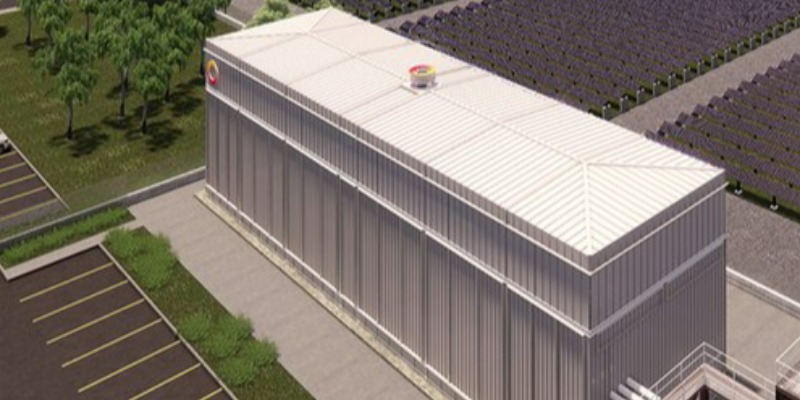
Thermal batteries are devices that store energy in the form of heat, which can later be released to produce electricity or for other thermal applications. The structure of a thermal battery can vary depending on the technology used, but it generally consists of:
Storage Material: The core of the thermal battery is made up of a material that can store a large amount of thermal energy. These materials can be solid (such as heating bricks, ceramics, or phase change materials - PCM), liquid (such as thermal oils or water), or even gas. The choice of material depends on the desired operating temperature and specific applications.
Heat Exchangers: Essential for transferring heat into and out of the storage material, heat exchangers are designed to maximize the efficiency of thermal transfer. They can be tubes, plates, or more complex configurations depending on the system's needs.
Thermal Insulation: To minimize heat losses and ensure system efficiency, thermal batteries are equipped with highly effective insulating layers. This insulation is crucial for maintaining the stored heat over long periods.
Control Systems: Modern thermal batteries are integrated with advanced control systems that monitor temperature, pressure, and other operating parameters. These systems ensure that heat accumulation and release occur optimally.
Functions and Advantages of Thermal Batteries
Thermal batteries have a variety of functions that make them particularly useful in different contexts:
Renewable Energy Storage: One of the main applications of thermal batteries is the storage of energy produced from renewable sources such as solar and wind. During periods of energy overproduction, heat is stored to be released when production is below demand.
Grid Balancing: Thermal batteries can help stabilize the electrical grid by storing energy during production peaks and releasing it during demand peaks. This helps reduce the need for backup power plants and improves grid reliability.
Heating and Cooling Supply: In residential, commercial, and industrial settings, thermal batteries can provide heating or cooling as needed. For example, they can be used to heat buildings during the winter or cool them during the summer, improving overall energy efficiency.
Industrial Applications: In many industries, heat is an essential component of production processes. Thermal batteries can be used to recover and reuse residual heat, thereby reducing energy costs and carbon emissions.
Differences between Thermal Batteries and Other Storage Systems
Thermal batteries differ from other forms of energy storage, such as chemical batteries (e.g., lithium-ion batteries) and pumped hydro storage systems, in several ways:
Energy Density: While chemical batteries tend to have a higher energy density per unit volume, thermal batteries can store energy at lower costs per unit of energy stored, especially when using low-cost materials like heating bricks.
Lifespan and Cycles: Thermal batteries generally have a longer lifespan and can withstand more charge and discharge cycles without significant capacity loss. This makes them particularly suitable for long-term applications.
Efficiency: The efficiency of thermal batteries depends greatly on the material used and the quality of insulation. However, they can be less efficient in terms of energy conversion compared to chemical batteries, especially when thermal energy needs to be converted into electricity.
Environmental Impact: Thermal batteries often use more abundant and less toxic materials compared to chemical batteries. Additionally, they can contribute to reducing carbon emissions by recovering and reusing industrial residual heat.
Applications of Thermal Batteries in the Energy Sector
Thermal batteries are employed in a wide range of sectors and applications:
Renewable Energies: In integration with solar thermal plants, thermal batteries allow the storage of heat produced during the day to be used at night or on cloudy days, improving the reliability and efficiency of the plants.
Residential and Commercial Sector: Thermal batteries can be used to provide heating and cooling to buildings, reducing dependence on traditional energy sources and improving energy efficiency.
Industry: Industries that require large amounts of heat, such as steel, chemical, and food industries, can benefit from thermal batteries to optimize their production processes and reduce energy costs.
District Heating Networks: In many cities, district heating networks can integrate thermal batteries to store excess heat produced by thermal power plants and release it when demand is higher.
Transport: Even in the transport sector, particularly in railways, thermal batteries can be used to manage the thermal energy generated by engines and improve the efficiency of vehicle heating and cooling systems.
The Future of Thermal Batteries in the Energy Transition
Thermal batteries represent a versatile and promising technology for energy storage. Their ability to efficiently store and release heat makes them ideal for a wide range of applications, contributing to the transition towards a more sustainable and resilient energy system.
The use of innovative materials such as heating bricks offers further advantages in terms of costs, durability, and sustainability, making thermal batteries a key solution to address the energy challenges of the future.