- Renaissance Venice: Splendor, Power, and Mystery in the Serenissima of 1572
- The Venice Carnival as a Theater of Masks, Intrigues, and Secrets
- The Serenissima between Beauty and Decadence: The Dark Charm of the Venetian Renaissance
- Crime and Power in 16th-Century Venice: When Celebration Becomes a Threat
- St. Mark's Square, Calli, and Canals: The Perfect Labyrinth for a Historical Mystery
- 1572 Carnival of Blood: A Historical Novel of Suspense, Politics, and Betrayal
A journey to the Serenissima of 1572, between Carnival, power, crimes and secrets hidden in the streets
by Marco Arezio
Date: 06.15.26
Venice, at the height of the Renaissance, was not just a rich, powerful, and admired city. It was a world suspended on water, an elegant and restless creature, capable of showing visitors the bright face of celebration while simultaneously hiding the dark undercurrents of intrigue behind a half-open door.
In 1572, the Serenissima still shone as a world capital. Its ships connected East and West, its merchants traded in spices, silks, precious metals, and confidential information, its palaces housed frescoes, forbidden loves, and political decisions capable of changing the fate of entire families.
But beneath that golden surface, something more fragile was stirring. Venetian power was solid, but not invulnerable. The government buildings, the chambers of the Council of Ten, the embassies, the convents, and the redoubts were not just places of public or private life: they were spaces where ambition, fear, money, faith, blackmail, and desire intertwined.
Carnival made everything even more ambiguous.

For a few weeks, Venice seemed to suspend its rules.
Masks erased names, blurred social classes, allowed the noble to mingle with the commoner, the merchant to pose as a prince, the courtesan to become a lady, the stranger to transform into a threat. The city danced, laughed, drank, abandoned itself to music and sensuality, but within that apparent freedom also lurked its greatest danger.Because when everyone wears a mask, no one is truly innocent.
It is from this inspiration that " 1572 Carnevale di Sangue " was born, a detective novel set in a lively, sensual and cruel Renaissance Venice, where the most famous festival of the Serenissima becomes the scene of a crime destined to shake the foundations of power.
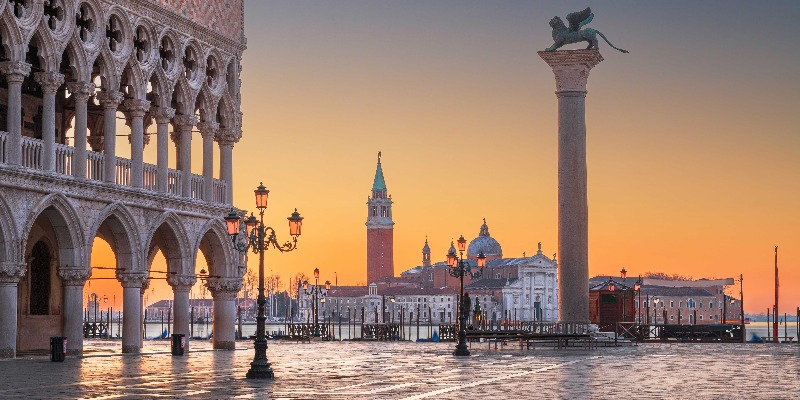
In the heart of St. Mark's Square, amid lanterns, music, crowds, and masks, horror erupts like a discordant note. A body is found under the porticoes, sacrilegious in disguise, as if someone had intended to strike not just a man, but the very image of the Republic.
From that moment on, Venice was no longer just a city of beauty. It became a labyrinth.
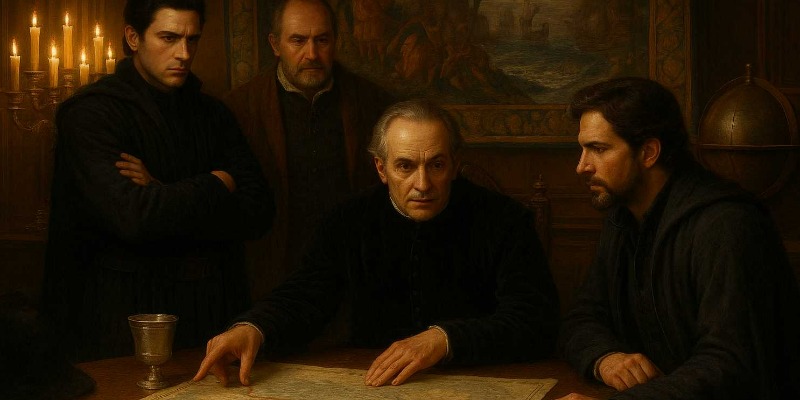
A labyrinth of dank alleys, silent canals, gondolas gliding in the darkness, palaces where every word can be overheard and every gesture can become evidence or condemnation. This is the setting for Lorenzo Vendramin, a young junior secretary to the Council of Ten, called upon to secretly investigate a crime that seems more than just a crime story, but the deeper language of power.
The Venice depicted in the novel is not a motionless postcard. It is a city that breathes, seduces, deceives, and observes. A city where beauty does not console, but often covers up fear. A city where Carnival is not just a celebration, but also the perfect opportunity to hide a murderer, a traitor, or a secret too dangerous to reveal.
From this perspective, the Venetian Renaissance appears not only as an age of artistic and commercial splendor, but as a complex human theater, rife with social tensions, personal ambitions, political struggles, and moral frailties.
And perhaps it is precisely this contrast that makes it so fascinating even today.
Venice speaks to us because it shows how thin the line between splendor and decadence can be. It reminds us that the most refined societies are not necessarily the most just. That violence can hide behind elegance. That behind a mask there can be an innocent face, but also guilt.
So the question remains open: in the Carnival of life, do masks really serve to hide us from others, or do they end up revealing who we are deep down?