- The Rise of Technology and Automation
- The Meaning of Human Life
- Interpersonal relationships
- Creativity and Art
- Spirituality and Philosophy
- Human-Machine Collaboration
- New Forms of Work
- How Man Can Support Himself Without Paid Work
Automation and the Future of Human Experience: Exploring the Value of Relationships, Creativity, and Economic Well-Being in a Technological World
by Marco Arezio
In a world increasingly dominated by technology and automation, a profound and philosophical question inevitably arises: if computers and robots can do everything better than you, what meaning does your life have?
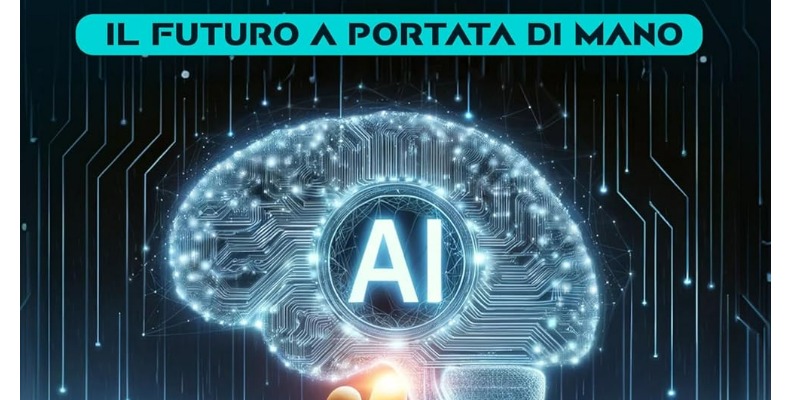
This question reflects one of the greatest concerns of our time, in which artificial intelligence (AI) and advanced robotics seem to threaten the very essence of being human. Let’s address this topic from various perspectives, analyzing not only the challenges but also the opportunities that arise from this technological revolution.
The Rise of Technology and Automation
The technological revolution we are experiencing has led to enormous advances in the field of artificial intelligence and robotics. Computers today are capable of performing complex tasks with a speed and precision that were unimaginable only a few decades ago.
Machine learning algorithms can analyze large amounts of data to make accurate predictions, robots can perform manual tasks with surgical precision, and machines are capable of learning and adapting to new situations.
This scenario has led to a growing fear of technological unemployment, the possibility that many human jobs could be replaced by machines. But beyond economic and employment concerns, there is a deeper existential question: if machines can do everything better than us, what role is left for humans?
The Meaning of Human Life
To understand the meaning of life in an automated world, we need to explore what makes the human experience unique. Work is only a part of existence and not the only source of meaning.
Human life is enriched by a variety of experiences that go far beyond economic productivity: interpersonal relationships, creativity, spirituality, the pursuit of knowledge, and the desire for self-improvement are elements that profoundly contribute to our sense of fulfillment.
Interpersonal Relationships: Human interactions cannot be replicated by machines. Empathy, love, friendship, and emotional support are fundamental aspects of our existence that distinguish us from machines. Even if robots can assist in medical care or elder support, they cannot replace genuine human connection.
Creativity and Art: Creativity is another distinctive aspect of humanity. While AIs can create music, art, or literature, these creations lack the depth and perspective of humans. Human creativity is rooted in our experiences, emotions, and culture, elements that machines cannot replicate.
Spirituality and Philosophy: The search for meaning and philosophical reflection are intrinsically human. Spirituality, meditation, and contemplation are ways in which humans explore the meaning of life and their place in the universe. These processes cannot be automated or replicated by machines.
Learning and Personal Growth: The ability to learn and grow through experiences is a central aspect of human life. Mistakes, challenges, and successes contribute to our personal growth and understanding of the world. Machines can learn data and improve performance, but they cannot live transformative experiences like humans do.
The Role of Humans in the Age of Automation
Rather than viewing technology as an existential threat, we can consider it an opportunity to redefine our role and find new ways to express our humanity. Automation can free us from repetitive and heavy tasks, allowing us to focus our energies on activities that require creativity, empathy, and critical thinking.
Human-Machine Collaboration: Collaboration between humans and machines can lead to extraordinary results.
Machines can perform tasks that require speed and precision, while humans can focus on strategic decisions, innovation, and solving complex problems. In fields like medicine, engineering, and art, the synergy between humans and machines can lead to discoveries and creations that would otherwise be impossible.New Forms of Work: Automation does not necessarily eliminate human work but transforms it. New jobs will emerge that require skills in technology management, programming, data analysis, and other growing areas. Continuous training and adaptability will become essential to thrive in this new work environment.
Leisure Time and Quality of Life: With automation reducing the time needed for routine tasks, we could have more free time to dedicate to activities we love. This can lead to a better quality of life, allowing us to invest more time in personal relationships, hobbies, volunteering, and personal growth.
Social and Environmental Impact: Advanced technologies can be used to address some of humanity's greatest challenges, such as climate change, resource scarcity, and social inequalities. Humans can use these technologies to create sustainable solutions and improve global well-being.
How Humans Can Sustain Themselves Without Paid Work Done Now by Machines
One of the main concerns about automation is the possibility that the loss of paid work will make life unsustainable for many people. However, various strategies and economic models could help manage this transition.
Universal Basic Income (UBI): A proposed solution is the introduction of a universal basic income, a regular and unconditional payment to all citizens. UBI would guarantee a basic livelihood for everyone, regardless of the work performed, allowing people to have economic security while exploring other activities or interests.
Reduction of Working Hours: Another possibility is reducing the weekly working hours, distributing the available work among more people. This strategy could not only maintain employment but also improve the quality of life and the balance between work and leisure.
Collaborative and Sharing Economy: Expanding the collaborative and sharing economy can create new forms of income and community support. Platforms that facilitate the sharing of resources, skills, and services can offer economic opportunities that do not depend on traditional work.
Investments in Education and Retraining: Continuous investment in education and retraining is crucial to adapting to the needs of an evolving economy. Training and skill-updating programs can prepare people for new emerging roles that require advanced technological capabilities.
Reformed Welfare Systems: Enhancing and adapting welfare systems to respond to new economic realities is essential. This includes policies for social protection, universal healthcare, and other support programs that ensure a safety net for all citizens.
Conclusions
The question of the meaning of human life in an era dominated by technology and automation is complex and multifaceted. Although machines can outperform humans in many tasks, they cannot replicate the entirety of the human experience.
Interpersonal relationships, creativity, spirituality, and personal growth are aspects that give deep meaning to our existence.
Instead of fearing technology, we should embrace the opportunities it offers to improve our lives and society. Automation can free us from repetitive tasks, allowing us to focus on what truly makes us human.
Ultimately, the meaning of life is not determined by what we do but by how we live and the connections we create along the way. Additionally, addressing the challenge of sustaining ourselves without paid work requires social and economic innovation, but it can lead to a more equitable and sustainable society where every individual has the opportunity to live a full and meaningful life.