- Why Choose Sustainable Personal Hygiene Products?
- What to Look for in a Sustainable Shower Gel or Shampoo?
- Packaging Recyclability: How to Orient Yourself
- Solid Products and Refills: Sustainable Alternatives
- Brands that Promote Sustainability
- Practical Tips for a Responsible Choice
- Sustainability: A Commitment to the Future
Choosing Sustainable Body Wash and Shampoo for an Eco-Friendly and Resource-Conscious Beauty Routine
by Marco Arezio
Today, making sustainable choices has become a priority for many mindful consumers, especially when it comes to everyday products like shampoo and body wash.
The cosmetics sector has a significant environmental impact, not only in terms of production but also in the disposal of products and their packaging.
This guide is designed to help you make informed choices, taking into account the materials used, environmental impacts, and the sustainability initiatives of various producers.
Why Choose Sustainable Personal Hygiene Products?
Shampoos and body washes often contain chemical ingredients, non-recyclable packaging, and non-biodegradable materials, which can cause serious environmental damage.
The production, consumption, and disposal of these products contribute to water pollution, greenhouse gas emissions, and plastic waste accumulation. Choosing sustainable products helps reduce environmental impact and promotes more responsible resource management.
What to Look for in a Sustainable Body Wash or Shampoo?
For a truly sustainable choice, consider the following aspects:
Natural and Biodegradable Ingredients: Opt for products containing ingredients derived from renewable sources, preferably organic and easily biodegradable, such as plant extracts and natural oils.
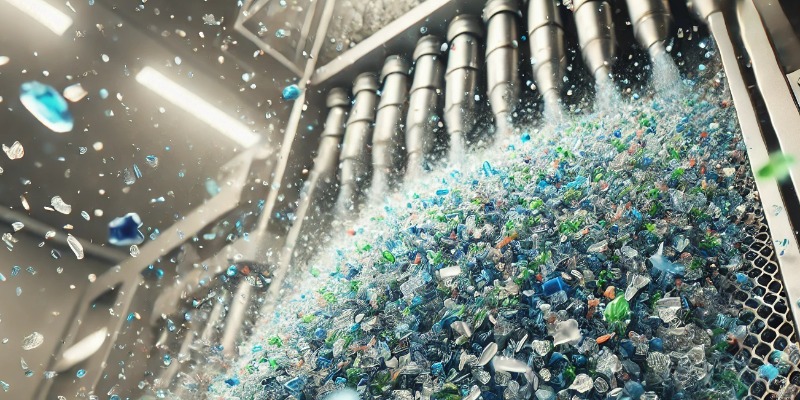
Recycled and Recyclable Packaging: Packaging should be made from recycled materials (like recycled PET or HDPE) and be recyclable to reduce the demand for new plastic and limit waste.
Microplastic-Free Formulations: Microplastics are tiny plastic particles that don’t dissolve and end up polluting the seas, with severe consequences for aquatic ecosystems. Choose formulations that are free from these particles.
Environmental Certifications: Several certifications guarantee that the product has been produced responsibly. The main ones include EcoCert, Ecolabel, and organic certification. Many labels also ensure that the product is cruelty-free.
Low-Impact Production: Choose companies that invest in sustainable production processes, such as using renewable energy and reducing water usage and emissions during manufacturing.
Packaging Recyclability: How to Navigate It
Packaging recyclability is crucial. Here are some sustainable options:
Recycled Plastic (rPET and HDPE): These plastics are made from recycled bottles and other containers. Choosing products packaged in rPET or HDPE helps reduce the production of virgin plastic.
Bioplastics: Made from biological sources like sugarcane or corn, bioplastics are biodegradable and have a lower CO2 emission impact. However, not all bioplastics are compostable, so it’s important to check the manufacturer's instructions.
Recycled Paper and Cardboard: These materials can be a valid alternative to plastic, especially for secondary packaging. They are easily recyclable and have a reduced environmental impact.
Compostable Plastic: Some brands are starting to use compostable plastics that degrade quickly. It is essential to verify that they are truly compostable and if they require specific industrial composting conditions.
Solid Products and Refills: Sustainable Alternatives
Opting for solid shampoos and body washes that don’t require plastic packaging is an excellent choice to reduce environmental impact.
Solid products do not need bulky packaging and can be easily stored in reusable containers. Refills can also be a viable solution to reduce plastic consumption.
Brands that Promote Sustainability
Several shampoo and body wash producers are adopting sustainable practices. Here are some examples:
Lush: Known for its solid products, Lush uses only natural, biodegradable ingredients and aims to eliminate packaging with its “Naked” line.
Garnier: Garnier has launched the "Garnier Bio" line, which uses organic ingredients and recycled packaging. The "Green Beauty" campaign aims to make production carbon neutral by 2025.
Ethique: This brand specializes in solid shampoos and body washes, using compostable packaging and reducing water use in formulations to minimize environmental impact.
Davines: An Italian company certified as a B-Corp, Davines uses renewable energy and local, organic ingredients, with special attention to sustainable packaging.
The Body Shop: Committed to fair trade initiatives, The Body Shop uses recycled packaging and encourages recycling with its "Return, Recycle, Repeat" campaign.
Practical Tips for Responsible Choices
When choosing a shampoo or body wash, keep these tips in mind:
Read the Label: Check the ingredient list and look for environmental certifications. Avoid products with microplastics and non-biodegradable chemicals.
Consider the Packaging: Prefer products with recycled or recyclable packaging, and inform yourself about their correct disposal.
Choose Solid Products or Refills: Reduce plastic use and store in reusable containers
Support Sustainable Brands: Back brands committed to sustainability to encourage a more environmentally conscious corporate culture.
Conclusion
Making sustainable choices for shampoo and body wash is an important step toward an eco-friendly personal care routine.
Opting for products with natural ingredients, recycled packaging, and supporting brands committed to sustainability helps reduce overall environmental impact.
Every conscious choice helps push companies toward more responsible practices, promoting positive change for the planet and future generations.
© All Rights Reserved