- Introduction to Compostable Bioplastics in Biogas Production
- Technical Challenges of Anaerobic Digestion of Bioplastics
- The Impact of Molecular Structure on the Biodegradability of Bioplastics
- Chemical-Physical Pretreatments to Accelerate the Digestion of Bioplastics
- Enzymes and Specialized Bacterial Consortia to Increase Biogas Production
- Optimization of Substrate Composition for Better Energy Yield
- Technological Innovations in Anaerobic Digesters for Compostable Bioplastics
- Future Developments and Research Perspectives in the Digestion of Compostable Bioplastics
Analysis of the Most Advanced Strategies to Optimize Anaerobic Digestion of Compostable Bioplastics, Enhance Biogas Production, and Support a Sustainable Circular Economy
by Marco Arezio
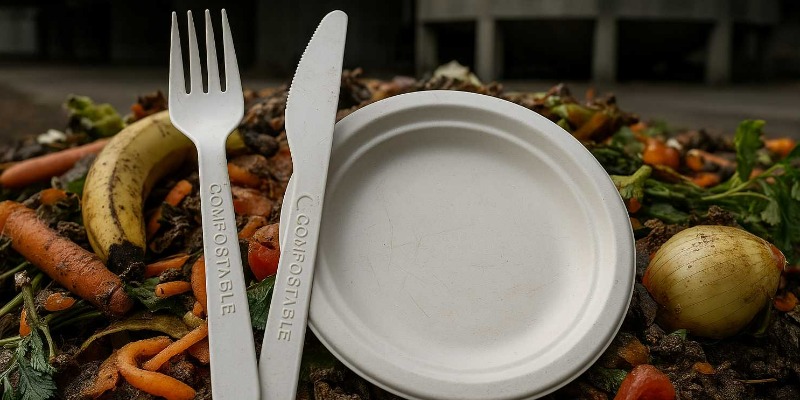
The growing focus on environmental protection and the circular economy has led to increased adoption of compostable materials, particularly bioplastics, in everyday products such as disposable tableware, food packaging, and biodegradable collection bags.
These materials, primarily composed of polymers such as polylactic acid (PLA), polyhydroxyalkanoates (PHA), and other biodegradable blends, now constitute a significant portion of domestic organic waste destined for biogas production through anaerobic digestion. However, their widespread use introduces new technical challenges that demand innovative solutions to maximize energy conversion efficiency while ensuring the economic and environmental sustainability of the process.
Challenges in the Anaerobic Digestion of Bioplastics
Anaerobic digestion is a well-established technology that enables microorganisms to decompose organic matter in the absence of oxygen, producing a biogas composed mainly of methane (CH₄) and carbon dioxide (CO₂).
However, compostable polymers generally require longer degradation times compared to traditional domestic organic waste such as food and plant residues. This is due to their complex chemical structure and high molecular stability, which hinder microbial activity and significantly slow down biogas production.
In addition, the digestion of bioplastics poses several technical challenges, including:
- The need for strict control of operational conditions such as temperature, pH, and agitation;
- Difficulty in fragmenting materials, which limits microbial access;
- Accumulation of chemical intermediates (such as volatile fatty acids) that can inhibit or halt the process.
Advanced Techniques to Improve Anaerobic Digestion Efficiency
To address these issues, recent studies and industrial applications have proposed several advanced technological and biological solutions.
1. Physicochemical Pretreatments
The first approach to improving bioplastic biodegradability involves preliminary physical and chemical treatments. Techniques such as fine shredding enhance microbial accessibility, while thermal hydrolysis (100–180°C under pressure) promotes the breakdown of polymers into simpler molecules.
Chemical treatments using alkaline or acidic solutions further increase the solubilization of bioplastics, making them more readily biodegradable by microorganisms.2. Use of Specific Enzymes and Selected Microbial Consortia
The addition of specific hydrolytic enzymes, such as esterases, proteases, and lipases, has proven effective in accelerating the breakdown of compostable bioplastics, significantly boosting biogas production—up to 40% increases have been observed. In parallel, the use of specialized bacterial consortia adapted to degrade complex polymers like PLA has shown promising results in improving process efficiency and overcoming inhibitory conditions.
3. Substrate Composition Optimization
Additional improvements can be achieved by strategically modifying the composition of the material fed into the digester. Mixing bioplastics with easily degradable organic substrates, such as food waste rich in lipids or simple carbohydrates, helps offset the slower degradation of bioplastics and significantly increases the overall biogas yield.
Technological Innovations in Anaerobic Digester Design and Management
The design and management of anaerobic digesters play a crucial role in process efficiency. Innovations such as multi-stage digesters or plug-flow systems with recirculation allow for more precise control of operational parameters (temperature, pH, substrate concentration). Additionally, advanced monitoring systems, improved agitator designs, and automated control technologies help maintain optimal digestion conditions and continuously enhance energy yield.
Future Outlook and Research Opportunities
Future research is oriented toward the synergistic integration of these advanced technologies into optimized systems capable of achieving high efficiency, operational reliability, and long-term economic sustainability. For university students specializing in circular economy and environmental technologies, in-depth knowledge of these processes is a key competitive advantage in tackling future challenges in sustainable waste management.
In conclusion, the integrated application of the advanced techniques presented represents a significant opportunity to transform compostable bioplastics from a technical challenge into a sustainable energy resource, reinforcing the role of anaerobic digestion in the global transition toward more sustainable development models.
© Reproduction Prohibited