






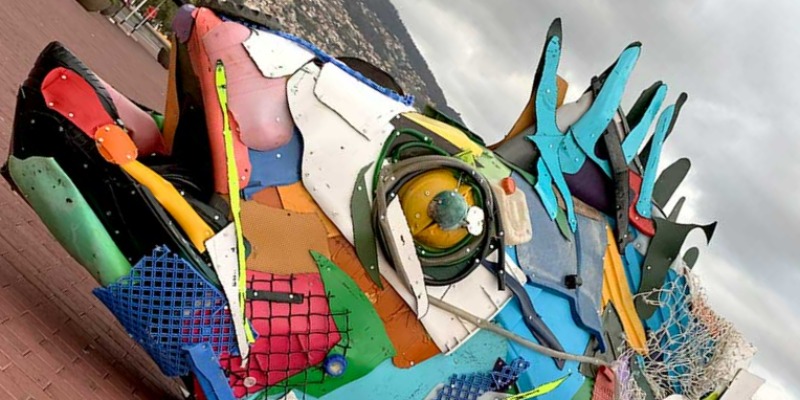
 rMIX: Artwork with Recycled Plastic - Fish
Code: 5621. Artwork with Recycled Plastic - Fish. The artist is very concerned with the health of the planet and, contrary to the excessive production of disposable goods, he exorcizes the garbage using it as raw material to create his works. With plastic waste he creates, among other works, large animals like this fish. Origin: Portugal Category: Artwork - plastic waste - recycled plasticIf you are subscribed to rMIX, contact the company, if you are not, subscribe by choosing the contract you prefer
SEE MORE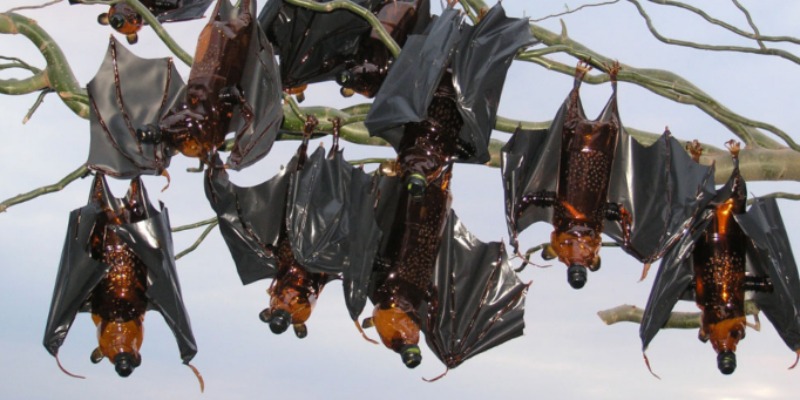
 rMIX: Artwork With Recycled Plastic Bottles: Bats
Artwork With Recycled Plastic Bottles: BatsCode: 8434. The artist specializes in the use of used PET plastic bottles which she recycles into artistic objects. This creative work transforms recycled PET bottles into an evocative representation of bats hanging from a branch.The brown bottles form the bats' bodies, while the black wings add a touch of realism and drama.The installation demonstrates ingenious artistry in the reuse of materials, giving new life to everyday objects while raising awareness of the importance of recycling.The whole is a fascinating example of how art can stimulate reflection on sustainability and the environmental impact of plastic waste. Origin: CzechiaCategory: Artwork - plastic waste - bats If you are subscribed to rMIX, contact the company, if you are not, subscribe by choosing the contract you prefer.
SEE MORE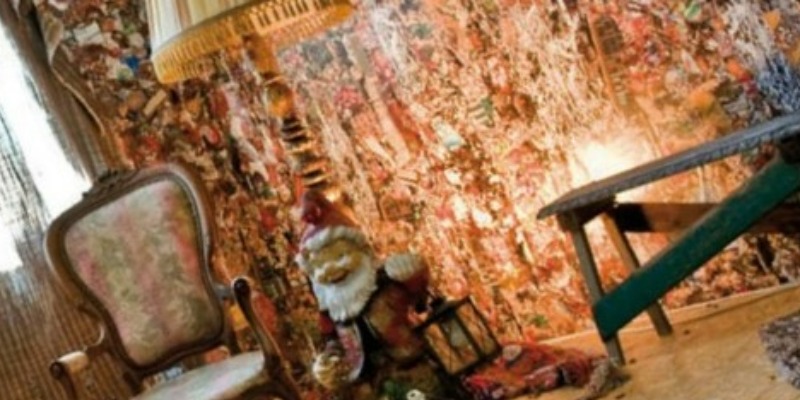
 rMIX: Work of Art with Waste - Beach Hotel
Code: 8336. The artist uses the waste that society produces to represent the level of pollution in which we live and the state of growth around we waste. We consume and stack waste in the hope that it disappears, but we live in it every day with the awareness that we don't want to see it. The artist represented a hotel made of waste in which we can live, because this is the world we created. Origin: Germany Category: Work of art - wasteIf you are subscribed to rMIX, contact the company, if you are not, subscribe by choosing the contract you prefer.
SEE MORE rMIX: Work of Art Representing Water Birds Made from Recycled Plastic
Code: 10722. Water birds take shape through the wise use of recycled plastic waste that we throw away every day. This stunning work of art uses recycled plastic bottles to create a vibrant representation of waterfowl . The bottles, expertly painted with bright colors and intricate details, imitate the shapes and colors of birds, transforming discarded objects into evocative and lively figures. Arranged on a water surface with floating leaves, these plastic birds appear to come to life, blending seamlessly into the natural environment. The installation not only highlights the importance of recycling and sustainability, but also demonstrates how common materials can be transformed into fascinating and inspiring works of art. This work invites viewers to reflect on the relationship between art, nature and waste, promoting greater environmental awareness. Origin: Czechia Category: Works of art - plastic - bottles - waterfowl - recycling If you are subscribed to rMIX contact the company, if you are not, subscribe by choosing the contract you prefer . The image is symbolic
SEE MORE rMIX: Work of Art Representing a Jellyfish Made from Recycled Textile Waste
Code: 10723. The representation of a jellyfish is created through the recycling of textile waste. This fascinating work of art represents a jellyfish made entirely from textile waste, demonstrating how waste materials can be transformed into extraordinary artistic creations. The fabrics, in bright and delicate colors, are skilfully assembled to imitate the shape and fluid movement of a jellyfish in the sea. The long strips of fabric hanging from the central body simulate tentacles, giving the work a dynamic and light appearance. The choice of recycled materials not only highlights the importance of recycling and sustainability, but also adds a dimension of fragility and ethereal beauty to the work. This work invites reflection on the interconnection between art and the environment, offering a poetic perspective on how we can reinterpret and reuse what we would normally consider waste. Origin: Czechia Category: Works of art - recycled fabrics - jellyfish - animals If you are subscribed to rMIX contact the company, if you are not, subscribe by choosing the contract you prefer .
SEE MORE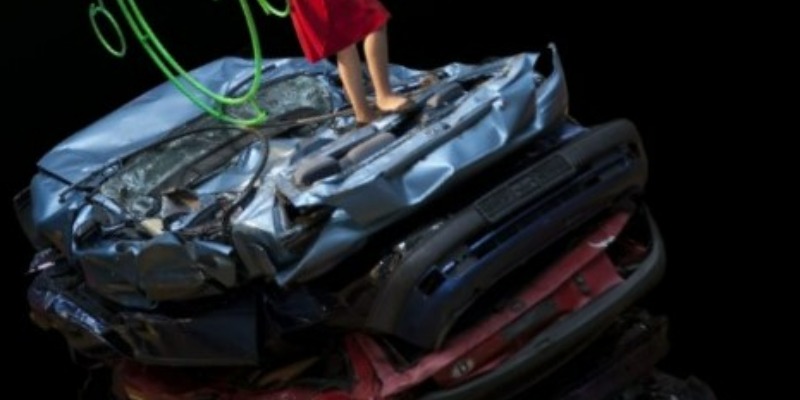 rMIX: Work of Art with Scrap Steel - Crying Machines
Work of Art with Scrap Steel - Crying MachinesCode: 8337. For this work the artist used waste steel, a waste widely produced by the company. “The Crying Machines” is a work of art that uses demolished cars to express the rawness and brutality of their compression at the end of their lives.In this composition, the crushed cars represent the end of a cycle, a tangible testimony of consumerism and waste production.However, the work introduces an element of contrast: music, which softens the pain of these destroyed machines.The melodious sound that accompanies the installation instills a sense of humanity and reflection, transforming the wreckage into a symbol of beauty and rebirth. This contrast between destruction and harmony invites viewers to reflect on the environmental and emotional impact of our modern lifestyle. Origin: Germany Category: Work of art - waste - steel If you are subscribed to rMIX, contact the company, if you are not, subscribe by choosing the contract you prefer
SEE MORE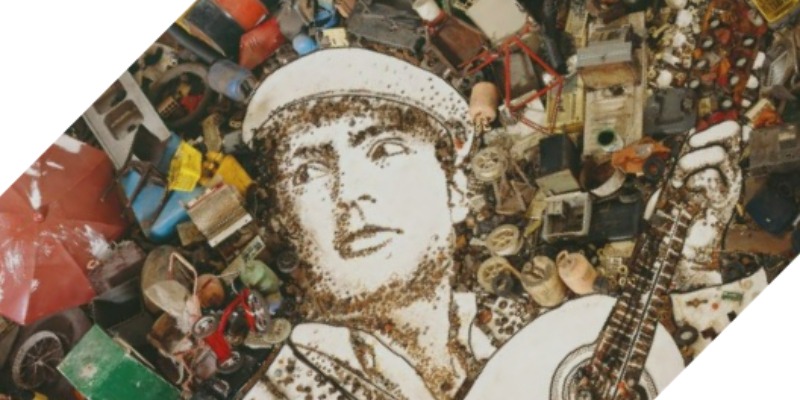
 rMIX: Works of Art with Landfill Materials
Works of Art with Landfill MaterialsCode: 8285. The artist composes works of art using waste materials that have become or will become garbage.He specializes in the reproduction of masterpieces with recycled materials. Its components range from trash, shredded magazines, cables, puzzle pieces and even dust.Trash art is an art form that uses recycled or waste materials as the primary medium for creating artwork.This artistic practice, also often referred to as "recycling art" or "waste art", is based on the transformation of objects considered useless or unwanted into meaningful and inspiring works of art.Artists working with trash can use a wide range of materials, including plastic, paper, metal, glass, fabrics, wood and more. These materials can be collected from various sources, such as landfills, recycling sites, beaches or simply objects found on the street.The techniques used in trash art are just as diverse as the materials themselves. Artists can choose to assemble found objects into three-dimensional compositions, create collages or mosaics, paint on unconventional surfaces, or even sculpt recycled materials. The only limit is the artist's creativity.In addition to creating visual art, art made from trash can also include performances, installations, and community projects that engage the public in collecting and using waste materials for artistic purposes.One of the most significant aspects of art made from garbage is its environmental and social impact. These works of art not only reduce landfill waste, but also raise important questions regarding consumption and waste, environmental sustainability, and the intrinsic beauty of overlooked materials.Origin: USACategory: Work of art - waste - landfillsIf you are subscribed to rMIX, contact the company, if you are not, subscribe by choosing the contract you prefer.
SEE MORE rMIX: Work of Art Composed of Recycled PET Bottles Representing Animals
Code: 10721. A work of art produced in a natural setting featuring animals, made from recycled PET plastic bottles. This original artwork uses recycled PET bottles to create a vibrant composition of colorful insects on a tree. The bottles, painted orange and black to simulate the appearance of ladybugs , are cleverly transformed into creatures that appear to come to life on the trunk. The work highlights ingenuity and creativity in the use of waste materials, promoting an ecological and sustainability message . Through the transformation of simple bottles into art objects, the installation invites us to reflect on the importance of recycling and the aesthetic potential of recovered materials. The natural layout and outdoor context amplify the dialogue between the art and the environment, creating a fascinating and evocative visual experience. Origin: Czechia Category: Works of art - plastic - PET bottles - animals If you are subscribed to rMIX contact the company, if you are not, subscribe by choosing the contract you prefer.
SEE MORE
 Post Industrial and Post Consumer Recycled LLDPE: Where It Comes From and What It Is
Post Industrial and Post Consumer Recycled LLDPE: Where it Comes from and What it Is The Recycled LLDPE is a polymer belonging to the polyethylene family, defined linear due to the short branching of its molecules. Low density polyethylenes are in fact distinguished in LDPE and LLDPE where the first is made up of molecules with long branches, while the second, as we said he short. But what are the differences between the two products? LLDPE is more resistant to tearing than LDPE at impact and puncture, it is also very flexible and stretches under traction. Can be used to make thinner films with greater resistance. It also has good chemical resistance, good electrical properties. However, LLDPE is less easy to work with than LDPE , has a lower gloss and transparency, and a longer range. limited for heat sealing. During a process such as extrusion, the LLDPE remains more viscous and therefore more difficult to process of an LDPE with an equivalent melt flow index value. Where is LLDPE used? The use of LLDPE has now entered many products, from the main market which remains the from packaging, such as packaging films, bags, industrial bags, up to applications where it is used in compounds, such as toys, tubes, lids, buckets, and many other products. How do you recycle the LLDPE? LLDPE recycling can take place through the work of post-consumer waste or, therefore, from separate collection, or from industrial processing waste . It can be presented in a thin or ultra thin form such as packaging films or as rigid waste. According to the consistency of the post-consumer waste , different recycling routes are applied which will include selection, grinding, washing, drying or densification and subsequent granulation. As regards post industrial waste , normally already selected and cleaned, they will be ground, deferred and finally granulated. In the rMIX recycling portal you can find the LLDPE which is the polymer par excellence with which the bottles of water and soft drinks and food trays containing the products we find in the shops are produced.
SEE MORE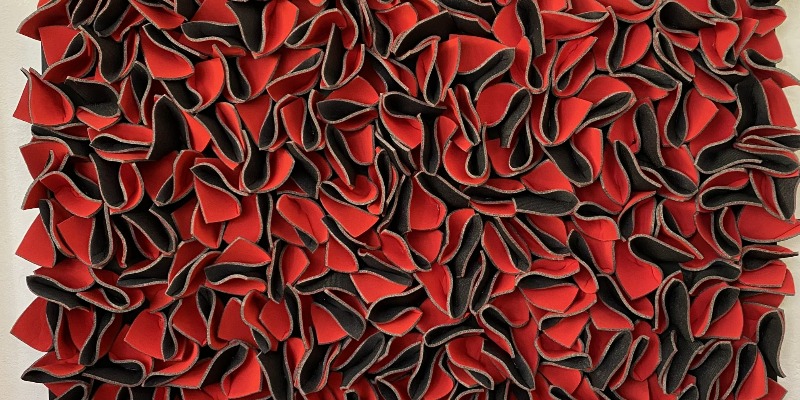 rMIX: Work of Art with Waste Materials - Neoprene
Work of Art with Waste Materials - NeopreneCode: 8286. For the composition of his works, the artist turns to waste materials, such as plastic, in various forms, which arrive on the beaches of our seas and which, at times, he personally collects. His works witness the silent cry for help of an increasingly contaminated nature. The described work is made of Neoprene with dimensions of cm. 90x90.Art made from waste neoprene is a creative and innovative form of using recycled materials for art production.Neoprene is a synthetic material commonly used in the production of diving suits, sports clothing and accessories. When neoprene is recycled rather than thrown away, the environmental impact of waste production and disposal is reduced.Artists working with waste neoprene can use different techniques and approaches to create unique works of art.They can shape neoprene into three-dimensional shapes, cut it into smaller pieces for assemblies, or create paintings on neoprene surfaces. Some might focus on the tactile aspect of the material, taking advantage of its soft and flexible texture to create sculptural or textile works, while others might emphasize its versatility through the use of color and texture.Art made from waste neoprene can also carry an important message about the importance of recycling and environmental sustainability. These works of art can be displayed in galleries, museums or public spaces, where they can raise public awareness about waste and the environment.Furthermore, waste neoprene can be combined with other recycled or recovered materials, further expanding artists' creative possibilities and demonstrating the value of the circular economy and waste reduction.In conclusion, art made from waste neoprene represents an intriguing and meaningful form of artistic expression that combines creativity, sustainability and environmental awareness. Origin: Italy Category: Work of art - neoprene - waste materialsIf you are subscribed to rMIX, contact the company, if you are not, subscribe by choosing the contract you prefer.
SEE MORE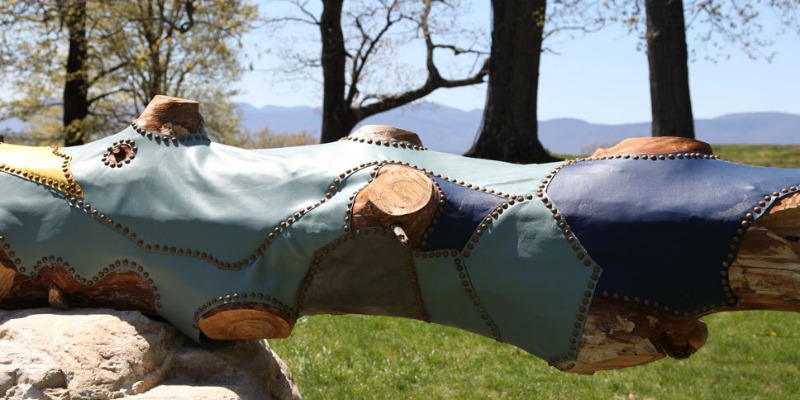 rMIX: Artwork with Recycled Wood, Leather and Stones
Artwork with Recycled Wood, Leather and StonesCode: 8296. With this work the artist wants to express dissent for the cruel deforestation that took place to recover the tannin that was needed by the industry local skin. He recovered an old abandoned trunk, on which he inserted some used leather inserts creating the work as a whole. By placing it on a support of stones and surrounded by those barks that once represented the protection of the tree, protection that no longer exists today. Origin: USA Category: Work of art - recycled leather - recycled wood - recycled stonesIf you are subscribed to rMIX, contact the company, if you are not, subscribe by choosing the contract you prefer
SEE MORE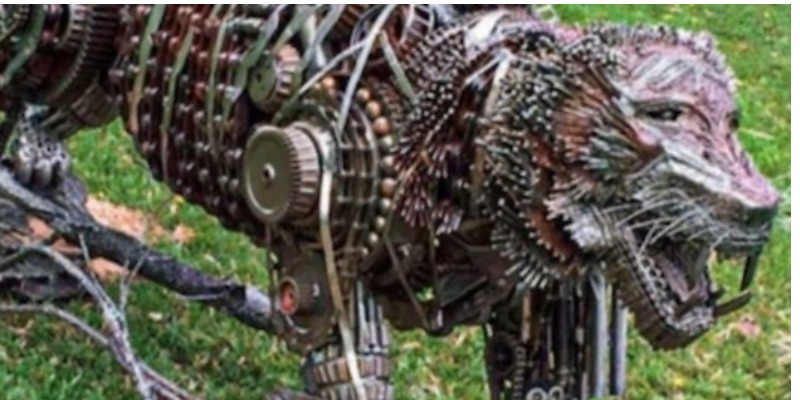
 rMIX: Artwork with Recycled Metals - The Tiger
Code: 8304. Artwork with Recycled Metals - The Tiger. The sculpture representing a tiger was made using a ton of scrap metal, taking 56 days to build with a size of 2.5x0.95 meters. This sculpture was the first major work in which the artist used recycled scrap as raw material. What are works of art made with recycled metalsArtwork made from recycled metals are artistic creations made using metallic materials from recycled sources rather than new mineral resources.This artistic practice, often included in the broader scope of recycling art or ecological art, aims to transform discarded metal objects into meaningful and inspiring works of art.Artists working with recycled metals can use a wide range of techniques and approaches to create their works of art. They can weld, cut, bend, hammer or shape metal to create three-dimensional sculptures, two-dimensional works such as paintings or collages, jewelry, decorative objects, furniture, installations and more.One of the most interesting aspects of artwork made from recycled metals is the ability of artists to transform everyday objects or discarded machinery parts into unique and creative works of art.For example, old sheets of metal, bolts, chains, springs, gears and other mechanical components can be transformed into abstract or figurative sculptures, giving rise to new visual narratives and expressive concepts.In addition to the aesthetic dimension, art made with recycled metals can also carry an important message about environmental sustainability and the need to reduce, reuse and recycle natural resources. These works of art can raise public awareness of waste, pollution and climate change, encouraging greater commitment to sustainable practices.Origin: AustraliaCategory: Work of art - Recycled metals - scrapIf you are subscribed to rMIX, contact the company, if you are not, subscribe by choosing the contract you prefer.
SEE MORE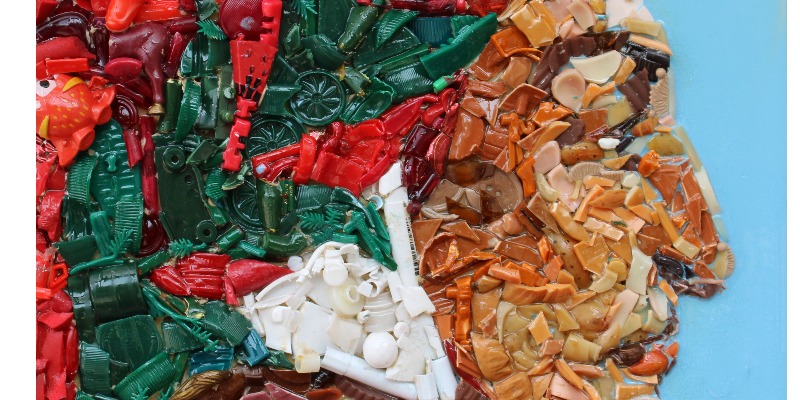 rMIX: Works of Art with Recycled Materials - Dante Alighieri
Works of Art with Recycled Materials - Dante AlighieriCode: 8284. The work represents Dante Alighieri and was created with pieces of waste plastic and resin on a wooden surface measuring cm. 30x30.The artist uses recycled materials and product waste to put into art the message on the need to safeguard the planet, increase recycling and reduce purchases of disposable products which are increasingly difficult to dispose of.Art made from plastic waste such as caps and bottles is a form of artistic expression that focuses on the creative use of plastic materials to create meaningful works of art. This artistic practice fits within the broader recycling art movement, which promotes the use of waste materials for artistic purposes, thus reducing the environmental impact of plastic waste.Artists who work with plastic waste such as caps and bottles can use a variety of techniques and approaches to create their works of art. Some artists choose to use corks and bottles as base materials for creating three-dimensional sculptures, using the shape and structure of plastic materials to create unique shapes and textures.Others may prefer to cut and assemble the caps and bottles into mosaics or collages, creating two-dimensional works of art that take advantage of the colors and shapes of the plastic materials.In addition to creating visual works of art, art made from plastic waste can also include functional design projects, such as creating furniture, jewelry or accessories using recycled caps and bottles.One of the main objectives of art made with plastic waste is to raise public awareness of the importance of recycling and reducing plastic waste. These works of art can show the public the aesthetic potential of waste materials and inspire positive action towards reducing the environmental impact of plastic.In conclusion, art made from plastic waste such as caps and bottles represents a creative and meaningful way to reduce, reuse and recycle plastic materials, transforming them into works of art that not only entertain and inspire, but also promote greater engagement towards environmental sustainability.Origin: ItalyCategory: Artwork - recycled materials - recycled plasticIf you are subscribed to rMIX, contact the company, if you are not, subscribe by choosing the contract you prefer
SEE MORE