- Strelitzia: the exotic charm for the home and garden
- Origin and history of Strelitzia: from African lands to European courts
- The varieties of Strelitzia: reginae, nicolai and juncea compared
- Why choose Strelitzia? Beauty, resistance and benefits
- Artistic inspiration: Strelitzia in art and design
- How to grow Strelitzia in the garden: light, soil and irrigation
- Potted Strelitzia: Complete Guide for Interiors and Balconies
- Common problems and solutions: flowering, root rot and pests
Discover All the Secrets to Growing Strelitzia in the Garden or in a Pot. A Complete Guide on Light, Watering, Soil, and Tricks to Make It Bloom
By Marco Arezio
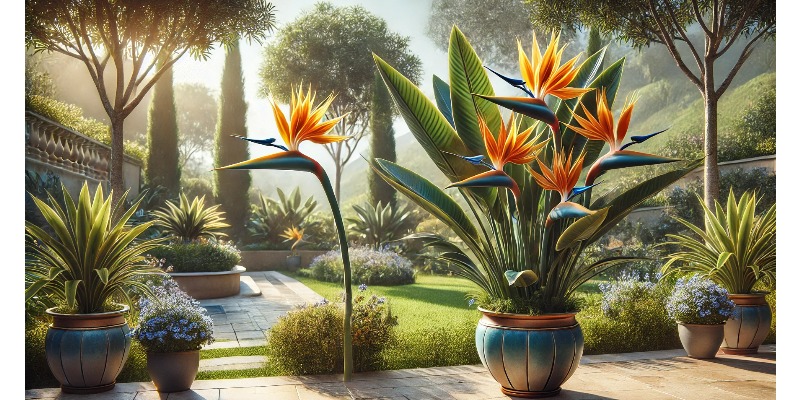
There is something magical about seeing a Strelitzia in full bloom. Its vibrant flowers and majestic presence evoke tropical landscapes, transporting us to a slice of paradise—even if we’re simply on our balcony or in our garden. This plant, with its large leaves reminiscent of banana foliage and its spectacular blossoms resembling a bird in flight, is one of the most beloved by anyone looking to add a touch of the exotic to their spaces.
A Journey into the Origins of the Strelitzia
Strelitzia is native to South Africa, where it grows naturally in subtropical regions, along rivers, and in sunlit plains. It was discovered by European botanists in the 18th century during colonial explorations and brought to England, where it quickly became highly prized in aristocratic gardens.
It owes its name to Queen Charlotte of Mecklenburg-Strelitz, the wife of King George III of England, who was a great enthusiast of botany and who actively contributed to spreading this plant in Europe. In 1773, the famous botanist Sir Joseph Banks introduced it to the Royal Botanic Gardens at Kew, making Strelitzia a symbol of luxury and refinement. Since then, it has continued to captivate gardeners and designers with its extraordinary aesthetic appeal: its large, glossy leaves resemble those of the banana tree, while its unusually shaped blooms evoke an exotic bird in flight, lending it an unmistakable and regal appearance.
The most popular varieties include:
- Strelitzia reginae, the most widespread, featuring orange and blue flowers in an unmistakable silhouette.
- Strelitzia nicolai, with white and blue blossoms and an imposing stature that creates a dramatic effect.
- Strelitzia juncea, characterized by more slender, elongated leaves, for an even more refined look.
Why Choose Strelitzia?
In addition to its extraordinary beauty, this plant has unique characteristics that make it an excellent choice for those who love greenery and want an exotic touch in their spaces. Strelitzia is not just an ornament; it’s a plant that combines aesthetics and resilience, capable of adapting to different environments and climatic conditions.
Its slow but steady growth makes it ideal both for those with a large garden and for anyone who wants a long-lived, low-maintenance houseplant. Moreover, its lush foliage helps improve indoor air quality, making it not only an aesthetic but also a functional choice.
- It adds a touch of elegance and exotic flair to any setting, from living rooms to gardens.
- It’s hardy and long-lived, able to accompany you for years with minimal, straightforward care.
- Symbolically, it represents freedom and beauty, just like the bird of paradise it is inspired by.
- It adapts well to both in-ground and potted cultivation, allowing you to enjoy its presence anywhere.
Strelitzia in Art and Design
The striking form of Strelitzia has inspired not just gardeners and botanists but also artists and designers worldwide. Its allure was immortalized as far back as the 18th century in detailed botanical paintings, such as those produced by European illustrators who, fascinated by its exotic beauty, captured it in their studies. The plant became a symbol of refinement in royal courts and aristocratic palaces, gracing exclusive greenhouses and gardens.
Over the centuries, its image has also featured in decorative art, influencing textiles, furnishings, and even jewelry. Strelitzia often appears in the stylized motifs of the Art Deco period, marked by elegant lines and geometric shapes; in contemporary design, it is frequently seen in vibrant patterns on upholstery, wallpapers, and decorative objects.
Today, its distinctive silhouette is a constant presence in elegant interior designs, in the gardens of prestigious residences, and in fashion collections, where it appears in luxurious floral prints and high-impact accessories.
How to Grow It: Tips for a Tropical Garden
If you have a garden and live in a mild climate, you can plant your Strelitzia outdoors and watch it grow luxuriantly. This plant loves direct sunlight and needs at least six hours of sun a day to thrive.
The Secret to the Perfect Soil
To get the most from your Strelitzia, ensure the soil is well-drained and rich in nutrients. The ideal mix involves:
- A good-quality universal potting soil.
- A percentage of sand to improve drainage and avoid waterlogging.
- The addition of compost or humus to provide a constant supply of nutrients.
How Much Water Does Strelitzia Need?
Watering is fundamental to keeping the plant healthy, directly affecting its growth and flowering. While Strelitzia is drought-tolerant, it does need regular watering to develop strong leaves and vigorous blooms. Striking the right balance—avoiding both waterlogging and prolonged dryness—is crucial.
Incorrect watering can compromise the plant’s health, causing leaves to turn yellow or even root rot. Ideally, keep the soil consistently moist during the warmer months and gradually reduce watering in cooler months, when growth slows down.
Also, using water at room temperature and preferably low in lime will help optimize root absorption and prevent harmful mineral buildup.A helpful tip? Avoid wetting the leaves directly, especially in cooler periods, to prevent fungal issues.
The Key to Spectacular Blooming
If you want your Strelitzia to bloom regularly, feed it properly. The plant needs a balanced fertilizer rich in essential macro- and micronutrients like nitrogen, phosphorus, potassium, as well as calcium, magnesium, and iron. Applying fertilizer every four to six weeks during spring and summer helps stimulate vigorous growth and more abundant flowering.
For optimal results, it’s best to alternate a liquid fertilizer with a slow-release one, ensuring a gradual, continuous supply of nutrients. Additionally, occasional applications of organic fertilizers, such as compost or earthworm humus, can enrich the substrate and improve mineral absorption.
A critical point is to avoid over-fertilization, which can cause salt buildup in the soil and harm the roots. To prevent this, water abundantly after fertilizing to help evenly distribute nutrients.
Strelitzia in a Pot: Perfect for Indoors
If you don’t have a garden, don’t worry: Strelitzia adapts perfectly to container gardening, allowing you to enjoy its beauty indoors or on terraces and balconies. Its broad, decorative leaves create an elegant, tropical atmosphere even in smaller spaces. With the right care, it will thrive, and eventually reward you with its striking blooms.
Choosing the Right Container
A wide, deep pot is essential to give the roots room to develop properly. It’s equally important to ensure it has adequate drainage holes to prevent water from collecting and harming the plant.
Where to Place It Indoors?
- Light: Strelitzia needs plenty of light, so place it near a south- or west-facing window.
- Temperature: It loves warmth and dislikes cold. Avoid exposing it to temperatures below 50°F (10°C).
- Small Tricks for a Healthy Plant
- Mist the leaves with distilled water to simulate a humid, pleasant environment.
- Rotate the plant occasionally, so it grows evenly.
- Fertilize regularly, following the same schedule as an outdoor plant.
Common Problems and How to Solve Them
What If the Strelitzia Won’t Bloom?
If your Strelitzia isn’t blooming, the issue may be related to its environment or care. This plant can take several years to produce its first flowers, so patience is essential. However, if flowering is delayed or absent, consider checking the following key factors:
- Inadequate exposure to light.
- Poor soil nutrient levels.
- Excessive or insufficient watering.
- By adjusting these factors, your plant will return to good health and be ready to bloom.
Watch Out for Root Rot
Overwatering is one of the main threats to Strelitzia because it can cause root rot and other fungal diseases that harm the plant. This issue arises when the roots remain constantly submerged in moisture, preventing them from properly absorbing oxygen and nutrients.
To prevent this, make sure the soil and container have excellent drainage, using light, airy mixes that include sand or perlite. It’s also essential to adjust the watering frequency according to the season: in the hotter months, the plant needs regular watering, while in winter its water requirements drop significantly.
Observing the leaves can give you a good sense of the plant’s health: if they look yellowish and limp, it could be a sign of too much water. In such cases, temporarily halt watering and examine the roots for any signs of decay, such as an unpleasant odor or dark, mushy tissue.
- Ensure the pot has proper drainage.
- Reduce watering in cooler periods.
- Periodically inspect the roots to confirm they are healthy.
How to Protect It from Pests
Despite its hardiness, Strelitzia can still be attacked by aphids, mealybugs, and mites, which settle on the leaves and stems, weakening the plant. To ward off these infestations, inspect the foliage regularly and act quickly with natural treatments.
A highly effective remedy is neem oil, which, when sprayed on the leaves, works as an eco-friendly repellent and insecticide. Soft soap diluted in water can also be used to eliminate more persistent insects. For more severe infestations, try garlic or chili pepper extracts, which are effective against pests without harming the plant’s health.
Strelitzia: A Style Icon for Your Home
More than just a plant, Strelitzia is a true symbol of elegance and tropical charm. Easy to grow and strikingly dramatic, it’s perfect for anyone seeking a sophisticated green haven that delivers a powerful visual impact. With minimal care and some patience, this natural wonder will offer years of beauty, and with a bit of luck, reward you with its breathtaking blooms.
If you’re looking for a plant that can transform your spaces and add a touch of class and originality, Strelitzia is the perfect choice for you!
© Reproduction Prohibited