- Bordalo II: The Art of Recycling to Safeguard the Environment
- Plastic Polar Bears: A Cry of Alarm from the Art World
- From Waste to Art: The Visual Impact of Bordalo II Sculptures
- Rediscovering the Beauty in Waste: Bordalo II's Mission
- Art and Activism: Bordalo II's Role in the Fight Against Climate Change
- Bordalo II and the Transformation of Waste into Messages of Hope
- The Evolution of Bordalo II: From Street Artist to Master of Recycling
- When Art Meets Recycling: The Power of Bordalo II's Installations
The Portuguese Artist Who Transforms Plastic and Waste into Powerful Messages of Environmental Awareness
By Marco Arezio
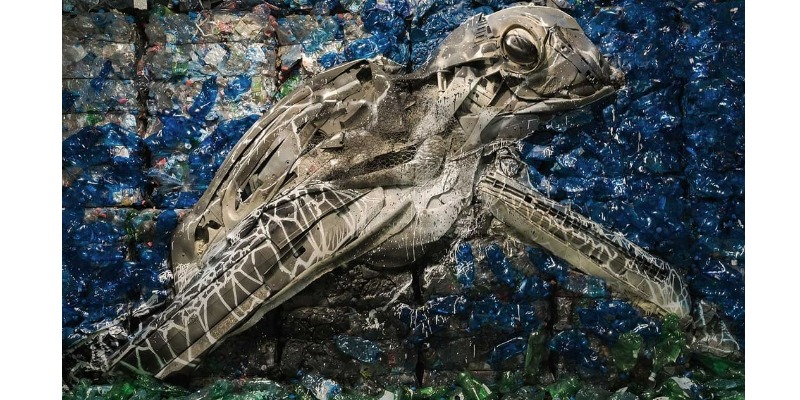
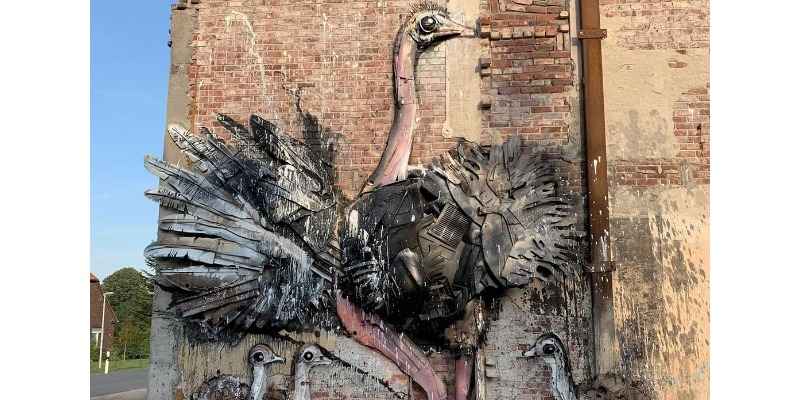
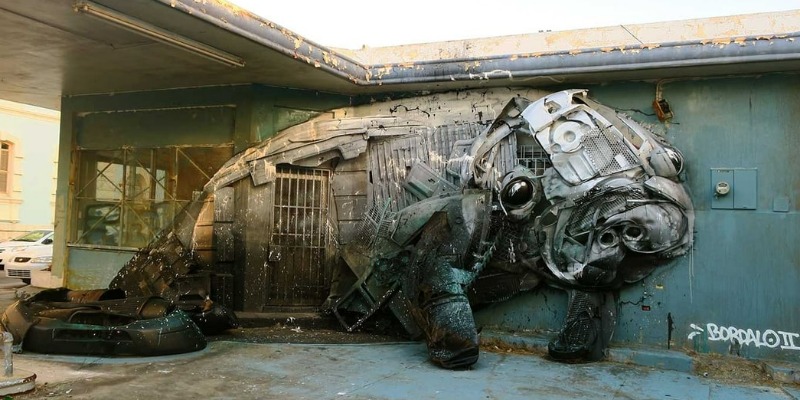
The artwork shared is an emblematic example of the work of Bordalo II, a Portuguese artist known for his large-scale installations made from waste and recycled materials.
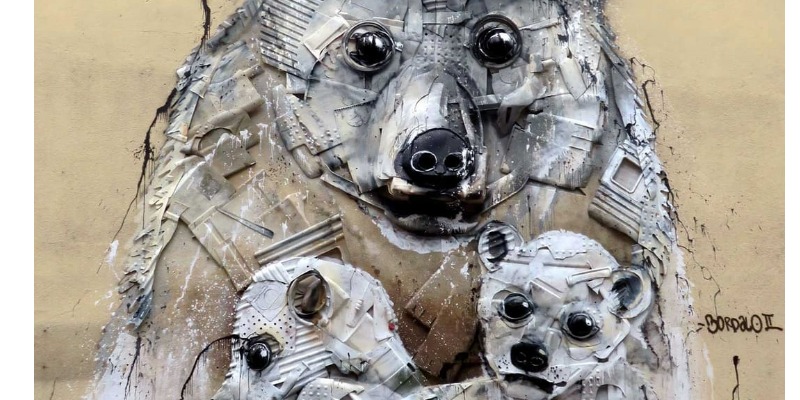
In this particular creation, Bordalo II has depicted a family of polar bears, a powerful symbol that directly draws attention to issues of environmental conservation and climate change.
The Story of Bordalo II
Bordalo II, born Artur Bordalo in Lisbon in 1987, comes from an artistic family—his grandfather, Real Bordalo, was a renowned Portuguese painter.
From a young age, Bordalo II was exposed to the world of art and developed a strong interest in the use of unconventional materials.
He began his career as a street artist, painting murals in his hometown, but soon found his true calling in transforming urban waste into sculptures with significant visual and social impact. The artistic name "Bordalo II" is both an homage to his grandfather and a sign of continuity and innovation within the family’s artistic tradition.
During his education, Bordalo II attended the Fine Arts Academy of Lisbon, where he honed his techniques and began experimenting with reclaimed materials.
His sensitivity to environmental issues developed as he observed urban decay and pollution in the areas where he created his works.
From this awareness, the desire to make art a tool for protest and reflection was born.
Artwork Analysis
The piece depicting three polar bears is a perfect example of Bordalo II’s work. The bear family, consisting of an adult and two cubs, is entirely constructed from recycled plastic and other waste materials.
The choice of polar bears is not accidental; they are recognized symbols of the devastating impact that global warming and habitat destruction are having on wildlife.
The use of polluting materials to represent animals that are endangered creates a powerful contrast that captures attention and stimulates reflection.
The Artist's Message
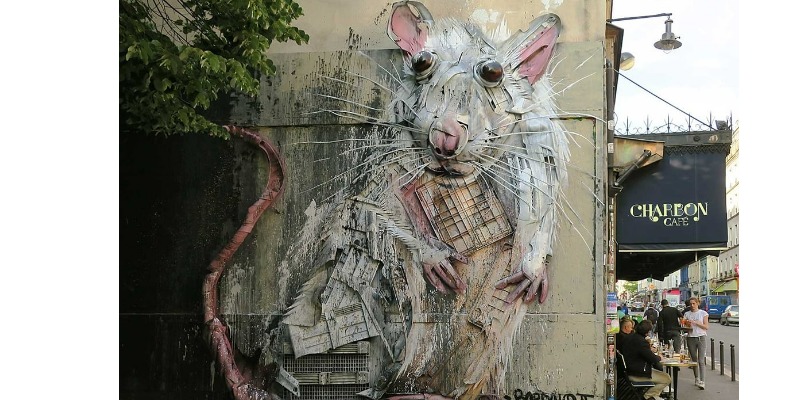
Bordalo II uses recycled materials as a form of protest against excessive consumerism and environmental destruction.
His works lie at the intersection of art and activism, aiming to raise public awareness of the impact of human actions on the ecosystem.
Plastic, one of the most commonly used materials in his creations, represents the emblem of consumer society and its contradictions.Bordalo II collects these materials to give them new life, transforming them from waste into art, and in the process, challenging the public to reconsider their relationship with discarded materials.
The Art of Transforming Waste
Bordalo II’s approach is not isolated; many other artists around the world share a similar vision and use waste as the raw material for their works. Here are some of the main ones:
Vik Muniz: A Brazilian artist who uses waste and scrap materials to create complex and detailed images. Muniz is known for his works that reveal their fragmented nature up close, but from a distance, blend into extraordinary images.
El Anatsui: A Ghanaian artist who works with bottle caps and cans to create large textile installations. His works explore themes of consumption, recycling, and the passage of time.
Jane Perkins: A British artist who uses small plastic objects and other found materials to create colorful and intricate portraits and images. Her works demonstrate how discarded materials can be transformed into vibrant art.
Tim Noble and Sue Webster: A British duo who create sculptures by assembling urban waste and other discarded objects, often playing with light and shadow to reveal hidden human figures.
Subodh Gupta: An Indian artist who uses kitchen utensils and other household waste to create installations that reflect on the culture of consumption and globalization.
Conclusion
Bordalo II’s work depicting three polar bears made from recycled plastic is not just an artistic representation, but a powerful statement on the urgency of addressing the environmental crisis.
The story of Bordalo II, from his beginnings as a street artist to his evolution into an internationally renowned artist, reflects a path of personal and artistic growth guided by a deep sensitivity to environmental issues.
The use of waste materials in his works is not just an expressive medium but an act of protest against the excessive consumerism and waste that characterize modern society.
Like other artists working with waste, Bordalo II invites us to see waste in a new light and reflect on our role in protecting the planet.
In this context, art becomes not just a means of expression but also a tool for social and environmental change, capable of raising awareness and inspiring concrete actions for a more sustainable future.